(白皮書)
來自倫敦 EuroEyes 的專家觀點
How leading eye clinics design confidence, safety and clarity before, during and long after surgery
Vision correction is not just a procedure
For many patients, vision correction is framed as a moment in time. A consultation. A surgery date. A recovery period. A result.
But for those who undergo it, the experience is rarely that simple.
Eyes are deeply personal. Vision shapes independence, identity, work, safety, and confidence. When patients consider surgery on their eyes, they are not only weighing clinical facts; they are navigating fear, uncertainty, and trust. The most advanced laser in the world cannot address those factors alone.
Modern vision correction outcomes are shaped long before a laser is activated and long after surgery is complete. This white paper explores why preparation, psychology, environment, surgeon experience, and aftercare have become defining markers of excellence in today’s leading eye clinics.
Vision correction as a medical and psychological decision
Choosing vision correction is not the same as choosing a consumer service. It is a medical decision with permanent implications, made under emotional pressure.
Patients often arrive carrying:
- Fear of losing vision
- Anxiety about permanence
- Conflicting information from online research
- Stories from friends or forums that amplify worst-case scenarios
These emotions influence perception, memory, and satisfaction. When they are ignored, even technically successful surgery can feel unsettling. When they are acknowledged and managed, patients experience greater clarity, confidence, and long-term comfort with their decision.
Leading clinics now recognise that reducing anxiety is not an optional extra. It is part of clinical responsibility.
The hidden power of pre-operative scanning
To patients, pre-operative scans can feel like data collection. To experienced surgeons, they are risk management, reassurance, and long-term planning tools.
Corneal Thickness and Biomechanics
Corneal thickness alone is no longer enough to determine suitability for vision correction. Modern diagnostics assess how the cornea behaves under stress, its strength, elasticity, and response to pressure. This biomechanical insight helps surgeons identify eyes that may be structurally vulnerable and guides safer treatment choices that preserve long-term corneal stability.
Ocular Surface Health
The quality of the tear film and the health of the eye’s surface play a critical role in both surgical accuracy and post-operative comfort. Dry eye, inflammation, or surface irregularities can distort measurements and affect healing. By identifying and optimising ocular surface health before surgery, clinics improve visual accuracy and reduce the risk of post-treatment discomfort.
Subtle Irregularities That May Affect Outcomes
Not all visual issues are obvious on standard eye tests. Advanced scans can reveal minor asymmetries or early structural changes that may influence how vision performs after correction. Recognising these subtleties allows surgeons to tailor treatment plans or recommend alternative approaches that reduce the risk of glare, halos, or unstable vision.
Lens Behaviour and Early Age-Related Changes
Even in younger patients, the natural lens may already be showing early signs of reduced flexibility or altered focusing behaviour. Modern diagnostics assess how the lens responds across distances and lighting conditions, helping surgeons anticipate how vision will evolve over time. This foresight supports treatment planning that remains effective and comfortable as the eyes continue to age.
This depth of scanning allows surgeons to exclude unsuitable candidates, refine treatment choice, and explain why one option is safer than another. Just as importantly, it replaces uncertainty with understanding.
Patients who fully understand their scans tend to feel calmer. They know their eyes have been carefully assessed, not simply approved.
Fear is normal, dismissing it is not
Fear around eye surgery is not weakness. It is a rational response to perceived risk.
Poor experiences often stem not from complications, but from fear that was never addressed. Leading clinics approach anxiety proactively, through:
Unrushed Consultations That Respect the Pace of London Life
In London, most people are used to quick services, busy clinics, and packed diaries. But when it comes to your eyes, speed can create doubt. A high-quality consultation should feel steady and unhurried, giving you enough space to talk through your lifestyle, your work demands, night driving, screen time, and what you actually want your vision to feel like day-to-day. At EuroEyes London, the consultation is designed to reduce uncertainty, not rush you toward a decision.
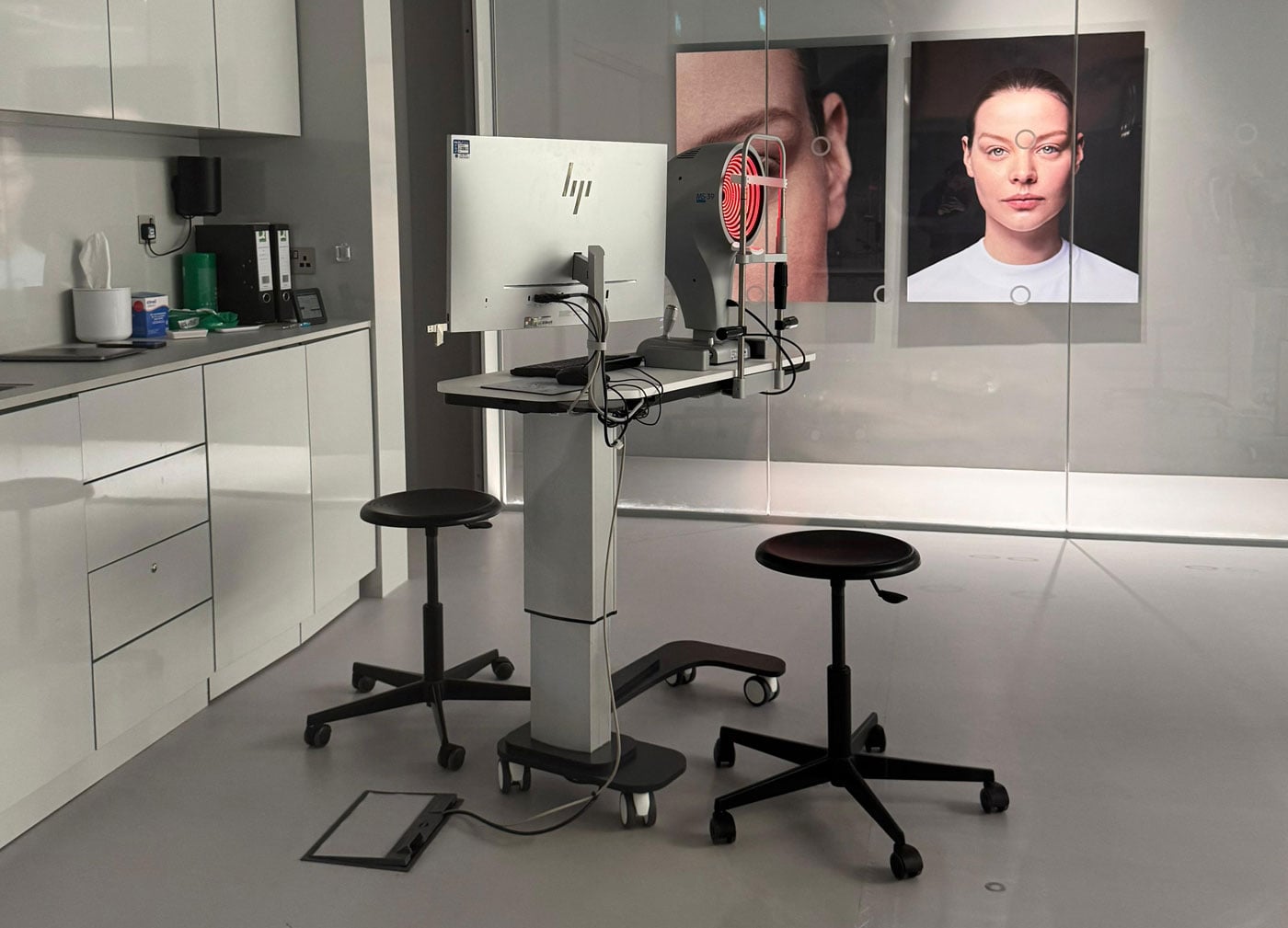
Clear Explanations Without Technical Overload
London patients often arrive well-researched, but also overwhelmed. Online forums, conflicting advice, and “miracle” marketing can leave people more confused than reassured. The goal of a modern clinic is to translate complex diagnostics into clear, human language without drowning you in jargon. You should leave understanding what your scans mean, why one treatment suits you better than another, and what to expect in real life, not just on a chart.
Honest Discussion of Limitations, Not Just Benefits
One of the biggest drivers of post-surgery anxiety is unrealistic expectation. A clinic that only sells the upside leaves patients unprepared for normal healing sensations, adjustment periods, or the fact that different procedures involve different trade-offs. The most trusted clinics in London build confidence by being frank: what the treatment will improve, what it won’t, and what “excellent” looks like for your specific eyes. EuroEyes’ approach is rooted in long-term outcomes, which means clarity over hype every time.
Time to Reflect, Rather Than Pressure to Decide
The best private clinics don’t push people into booking on the spot. Londoners are decisive, but they also expect control over their choices, especially with something as personal as vision. Having time to reflect protects patients from regret and helps them commit with confidence. Whether you decide quickly or take a little longer, the right decision is the one you understand fully. A consultation should leave you feeling calm, informed, and ready, not pressured.
This approach transforms fear into informed confidence. It also filters out patients who may not yet be emotionally ready, protecting both patient wellbeing and long-term satisfaction.
Environment shapes experience more than most realise
The physical environment of a clinic directly affects the nervous system.
Modern private eye clinics now design spaces intentionally to reduce stress:
Soft, Controlled Lighting Designed for Calm and Clarity
Both EuroEyes Knightsbridge and EuroEyes Westfield use carefully controlled lighting to reduce glare and visual stress from the moment patients enter the clinic. Unlike harsh clinical environments, lighting is balanced to feel calm while still supporting precise diagnostics. This matters in a city where many patients arrive after a full workday, often already visually fatigued from screens, traffic, and artificial light.
Calm Colour Palettes That Reduce Cognitive Load
Colour has a measurable effect on stress and perception. EuroEyes’ London clinics avoid stark whites and overstimulating contrasts in favour of neutral, calming tones that promote a sense of safety and control. In busy areas such as Knightsbridge and Westfield, where the outside environment is intense and fast-paced, this visual restraint helps patients mentally slow down and focus on the consultation rather than their surroundings.
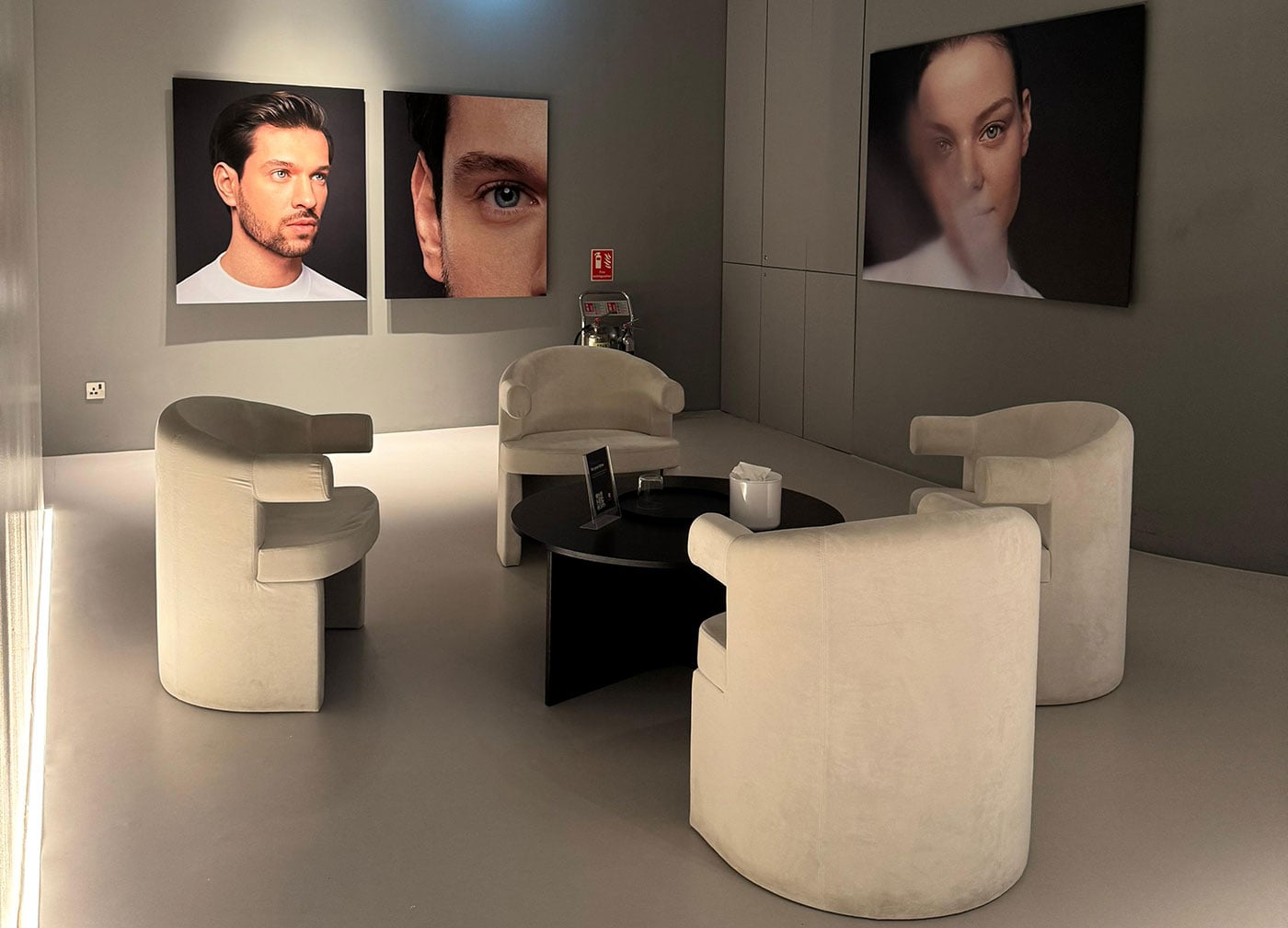
Quiet Consultation Rooms That Support Open Conversation
Privacy and calm are essential when discussing something as personal as vision. Both London locations prioritise quiet consultation spaces where conversations can happen without background noise, interruptions, or the feeling of being overheard. This allows patients to ask questions freely, process information properly, and discuss fears or concerns without distraction, reinforcing trust from the very first appointment.
Minimal Sensory Overload in a High-Stimulus City
London is a sensory-dense city. Noise, movement, signage, and crowds can elevate stress before a patient even reaches the clinic. EuroEyes’ interior design deliberately reduces unnecessary stimulation, limiting visual clutter and controlling sound and movement within the space. This creates a buffer between the outside world and the surgical environment, helping patients arrive at surgery calmer and more settled.
Clear Patient Flow That Removes Uncertainty
Uncertainty increases anxiety. Both Knightsbridge and Westfield clinics are designed with a clear, logical patient journey, from reception to diagnostics, consultation, treatment, and aftercare. Patients always know where they are, what happens next, and who is guiding them. This clarity is especially important in London clinics that serve a diverse, international patient base, ensuring everyone feels oriented, supported, and confident at every stage.
These design choices are not cosmetic. Reduced stress improves cooperation during surgery, lowers perceived pain, and improves overall experience. When patients feel safe, outcomes feel better, even when clinical results are identical.

Surgeon experience as a stabilising force
Technology evolves quickly. Experience accumulates slowly.
Surgeons who have treated tens of thousands of eyes develop an intuitive understanding of how outcomes unfold over time. They recognise early warning signs, anticipate future changes, and understand which decisions age well and which do not.
This depth of experience allows for:
Case Example: A Nuanced Recommendation Instead of the “Obvious” Choice
A 34-year-old London-based architect arrived expecting laser vision correction. Her prescription sat well within typical laser ranges, and she had done extensive online research. Advanced diagnostics, however, revealed subtle corneal characteristics that suggested an ICL option would offer better long-term stability, particularly given her intensive screen work and night-time driving.
Rather than defaulting to the most commonly requested treatment, the surgeon explained how different options would behave over time and why a tailored approach mattered. The patient chose a solution she hadn’t originally considered, reporting not only excellent vision, but confidence that the recommendation was made specifically for her eyes, not her age or prescription alone.
Case Example: When a Conservative Decision Is the Best Decision
A 41-year-old finance professional from central London attended a consultation hoping to eliminate reading glasses entirely. While technically eligible for multiple correction pathways, his scans showed early changes in lens behaviour that suggested a more cautious approach would preserve better long-term flexibility.
Instead of pushing for maximum correction, the surgeon recommended delaying certain interventions and planning treatment in stages. The patient initially felt surprised but later described the advice as reassuring rather than disappointing. Knowing that restraint was applied in his best interests built trust and removed fear of future regret.
Case Example: Setting Expectations That Prevent Anxiety
A 29-year-old international patient living in London arrived highly anxious, having read conflicting online stories about glare and halos. Rather than dismissing these concerns, the consultation focused on explaining what sensations are normal during healing, how long visual fluctuations can last, and how outcomes vary between individuals.
By the time treatment took place, the patient felt prepared rather than fearful. Post-operatively, when temporary visual effects appeared exactly as described, they were met with calm understanding instead of panic. The patient later reflected that knowing what would happen was just as important as knowing what could happen.
Case Example: Confidence That Patients Sense Immediately
A 56-year-old West London resident attended her consultation feeling uncertain and emotionally guarded after a previous negative medical experience elsewhere. She described noticing a shift early in the appointment, not from what was said, but from how it was said. The surgeon’s calm manner, clear explanations, and willingness to pause and answer questions without rushing created an immediate sense of safety.
She later explained that the decision felt “settled” rather than forced. Even before surgery, her anxiety dropped significantly because she trusted the hands guiding her care. That confidence carried through recovery, reinforcing her belief that the right decision had been made.
Why these experiences matter
These examples highlight something patients rarely see advertised: experience changes how decisions are made. Not louder promises. Not faster bookings. But judgement, restraint, and clarity developed over decades.
For London patients navigating complex choices in a fast-moving city, this human element often becomes the deciding factor, not just whether surgery is successful, but whether the entire journey feels right.
Aftercare: where trust is confirmed
Aftercare is where promises are tested.
Leading clinics view aftercare not as a formality, but as a continuation of care. Effective aftercare provides:
- Reassurance during the adjustment phase
- Early identification of issues
- Clear guidance on what sensations are normal
- Ongoing access to clinical advice.
Patients who feel supported after surgery report higher satisfaction, even when vision continues to stabilise. Continuity builds trust, and trust shapes long-term confidence in the decision made.
Why great clinics think beyond the surgery day
The most respected eye clinics do not optimise for single outcomes. They optimise for lifetime vision journeys.
This approach means thinking beyond immediate correction and considering how today’s choices affect tomorrow’s options. Preserving future treatment pathways, avoiding unnecessary permanence, and selecting solutions that do not close doors later in life have become central to responsible decision-making. As eyes change with age, treatments that allow flexibility often provide greater long-term value than those designed to deliver a single, fixed outcome.
As a result, vision correction is no longer viewed as a one-time intervention, but as an evolving process that moves with the patient through different stages of life. By planning with age-related changes in mind and favouring adaptable solutions, modern eye care shifts the focus from short-term perfection to lasting visual comfort, stability, and choice.
Anticipation rather than reaction
Eye care is moving away from reactive models. Instead of responding only when vision changes, modern clinics are beginning to anticipate how eyes will evolve.
Emerging developments include:
Adjustable Lens Technologies
Modern lens technologies now allow certain visual outcomes to be refined after surgery rather than fixed on the day of implantation. For patients, this means vision can be adjusted once the eye has healed and stabilised, reducing anxiety around “getting it perfect” immediately. In practice, this offers reassurance to patients who want precision but also value flexibility, particularly those with complex prescriptions or demanding visual needs.
Data-Driven Long-Term Planning
Large, experienced clinics accumulate extensive outcome data across thousands of patients. This data is used to identify patterns in how different eyes respond to treatment over time. For patients, this translates into recommendations informed not only by their individual scans, but by long-term evidence showing which approaches remain stable and comfortable years after surgery, not just weeks.
Outcome Analysis Across Decades
Surgeons who follow patients over many years develop a deep understanding of how certain decisions age. They see which treatments remain consistent through presbyopia, which approaches integrate smoothly with later cataract surgery, and which strategies reduce the need for future intervention. This long-term perspective allows today’s decisions to be made with tomorrow’s realities already in mind.
More Personalised Treatment Pathways
Rather than offering a single solution for everyone within a prescription range, modern clinics increasingly tailor treatment plans around lifestyle, profession, and future visual demands. A patient who drives at night, works long hours on screens, or expects visual needs to change significantly over the next decade may be guided toward a different pathway than someone with simpler requirements. This level of personalisation reflects a shift from standardised correction to genuinely individual care.
The goal is not perfection on day one, but resilience over time.
A surgeon’s perspective
“Vision correction should never be treated as a single event. Our responsibility is to protect clarity, comfort and choice across a patient’s lifetime. When care is planned properly, confidence replaces fear, and outcomes stand the test of time.”
– Fadi Kherdaji
Looking ahead
The future of vision correction will be defined not only by lasers and lenses, but by how thoughtfully clinics prepare patients, guide decisions, and support them long after surgery.
For patients, the most important question is no longer simply “Can my vision be corrected?” It is “Who is planning my vision, and how far ahead are they thinking?”
進一步閱讀
European Society of Cataract & Refractive Surgeons (ESCRS) – Clinical guidance
- ESCRS Guideline for Cataract Surgery – An overview of recommendations from ESCRS, including diagnostic and therapeutic steps for managing cataract and refractive surgery.
- ESCRS Full Extended Guidelines (PDF) – A detailed document covering preoperative assessment and evidence-based recommendations.
National Institute for Health and Care Excellence (NICE) – NG77 Cataracts in Adults
- NICE Guideline NG77 – Cataracts in Adults: Management – Official UK guidelines on assessment, surgical management, and postoperative care for adult cataract patients.
- NICE NG77 PDF (Printable Guideline) – Downloadable PDF version of the management guideline.
Journal of Cataract & Refractive Surgery – Peer-Reviewed Research
- Journal of Cataract & Refractive Surgery (Elsevier / ScienceDirect) – The official journal publishing research on anterior segment surgery, lens outcomes, refractive techniques, and clinical studies.
- Journal Profile – Wolters Kluwer – Additional journal information on scope and clinical relevance.
American Academy of Ophthalmology (AAO) – Eye Health & Patient Education
- AAO Patient Education Hub – Central resource for patient education materials to support understanding of eye health, conditions, and treatments.
- EyeSmart – Vision & Eye Health Information – Public-facing AAO platform with accessible guidance on eye diseases, procedures, and preventative care.