Quick Answer
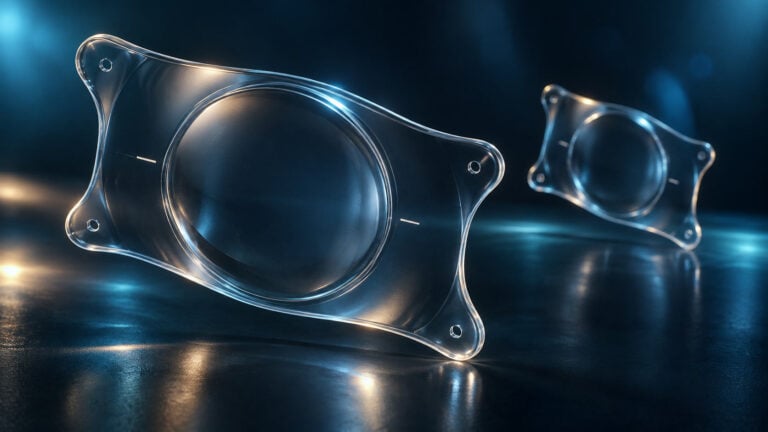
Yes, implantable contact lenses can fix astigmatism. In particular, toric ICL lenses are designed to correct both astigmatism and short- or long-sightedness at the same time, helping patients achieve clear, stable vision without relying on glasses or contact lenses.
Toric Lenses
Understanding Astigmatism and Why Precision Matters
Astigmatism happens when the surface of the eye is slightly irregular rather than perfectly round. Because of this, light doesn’t focus at a single point on the retina. Instead, it spreads unevenly, which is why vision can appear blurred, stretched, or slightly distorted at different distances. Free Astigmatism Test Here.
It’s a very common condition, but correcting it properly requires accuracy. Small differences in shape can have a noticeable effect on vision.
Traditionally, glasses and toric contact lenses have been used to manage astigmatism. Laser eye surgery can also help by reshaping the cornea. That said, not every eye is suitable for laser, especially when prescriptions are higher or the cornea is thinner than average.
How Implantable Contact Lenses Correct Astigmatism
Implantable contact lenses work in a different way to laser treatment. Instead of reshaping the eye, they introduce a custom-designed lens inside it.
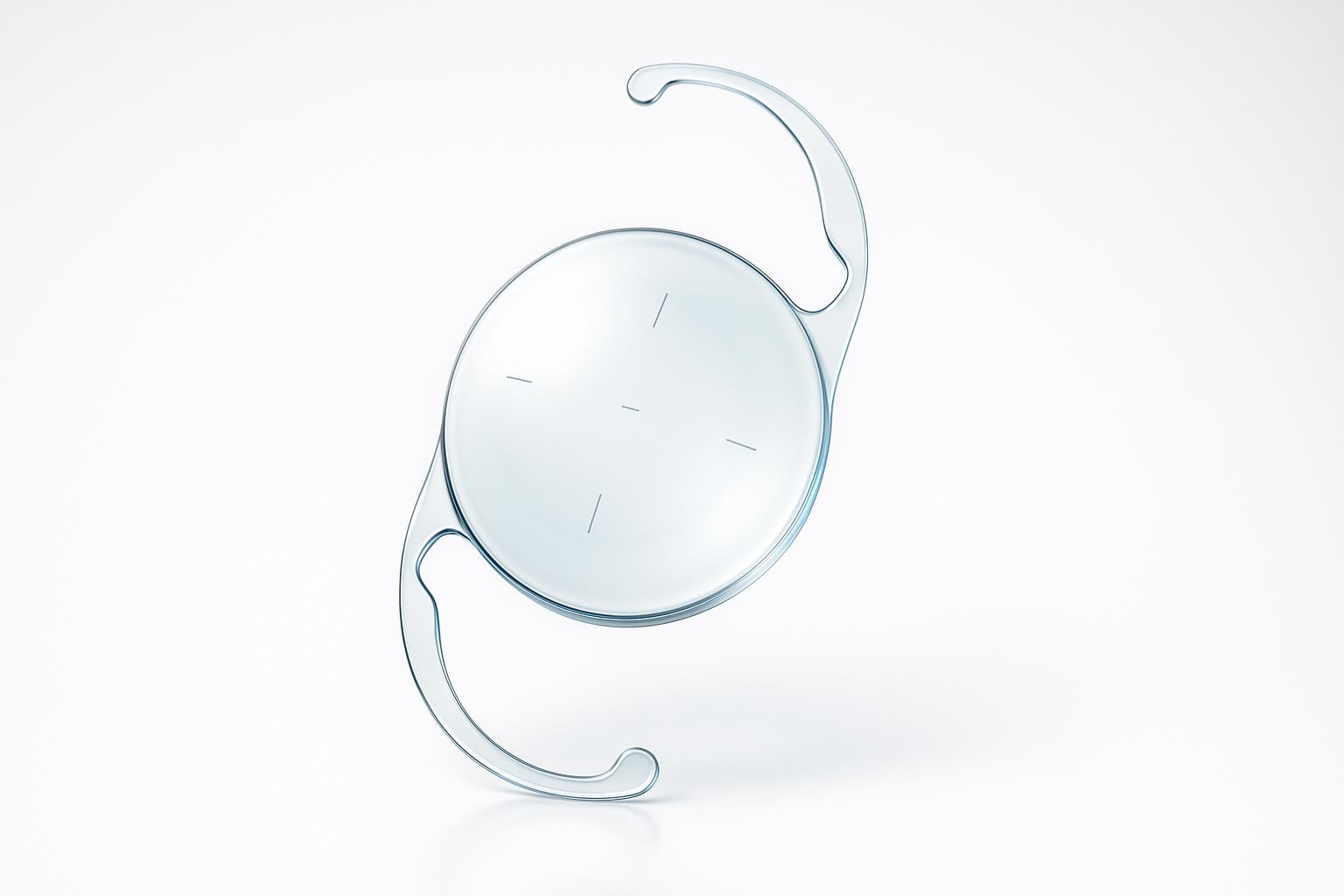
For astigmatism, this is known as a toric ICL. Each lens is tailored to match the specific curvature and axis of your eye. That level of customisation is what makes the correction so precise.
The positioning of the lens is key. It has to sit at the correct angle to counteract the irregular shape of the cornea. When that alignment is right, light can focus cleanly onto the retina again.
In practice, this means vision becomes clearer and more stable, without relying on anything external.
Clinics such as EuroEyes use detailed imaging and measurement systems beforehand to plan this accurately. It’s not a one-size-fits-all approach, it’s highly individual.
Is ICL Better Than Laser for Astigmatism?
There isn’t a single answer that fits everyone.
Laser eye surgery can work very well for mild to moderate astigmatism, particularly when the cornea has enough thickness to be reshaped safely. But there are limits to how much correction can be achieved with laser alone.
ICL tends to become more relevant when:
- The astigmatism is more pronounced
- The overall prescription is higher
- The cornea is thinner than ideal for laser
Because ICL doesn’t remove tissue, it keeps the natural structure of the eye intact. For some patients, that makes it a more suitable, and sometimes preferred, option.
What Results Can You Expect?
Most patients who have toric ICL surgery notice a clear improvement in visual quality. This is particularly noticeable in situations where astigmatism used to cause distortion, such as night driving or reading fine detail.
One practical advantage is stability.
Contact lenses can rotate slightly throughout the day, which can affect how well astigmatism is corrected. An implanted lens, once properly positioned, stays in place. That consistency helps maintain predictable, sharp vision over time.

A Long-Term Solution for Astigmatism
Implantable contact lenses are designed to last for many years, often decades. They don’t degrade in the way some people expect, and they continue to provide stable optical correction.
Of course, the eye itself will still change naturally with age, but the lens remains an effective part of that correction.
Another point worth mentioning is flexibility. If needed, the lens can be removed or replaced in the future. That gives both the patient and surgeon options as vision changes over time.
Modern Lens Technology
Astigmatism doesn’t have to be something you manage day to day anymore.
With modern lens technology, it can be corrected more directly, offering clear, stable vision without depending on glasses or contact lenses.
For many patients, the question shifts from “can this be fixed?” to “which option is most suitable for my eyes?”
What Does the Research Show?
Implantable contact lenses are supported by a strong and growing body of clinical evidence.
Large-scale studies have shown that ICL procedures deliver high levels of accuracy and predictability. In one 2025 study analysing more than 500 eyes, patients achieved vision equal to, or better than, their pre-surgery corrected vision within a year.
That’s an important benchmark. It suggests that outcomes are not only improving vision, but in many cases matching or exceeding what glasses or contact lenses were previously providing.
Precision and Stability Over Time
A common concern with any internal lens is long-term stability, especially when correcting astigmatism.
Even small rotations could, in theory, affect vision. In reality, modern toric ICL lenses are designed to remain very stable once in place.
Clinical data suggests that over 95% of lenses stay within 5 degrees of their intended position over several years. Most movement, if it happens at all, occurs shortly after surgery and then settles.
That level of predictability is one of the reasons ICL is often chosen for more complex prescriptions.
Visual Outcomes Beyond Standard Correction
Research also highlights how effective these lenses are at correcting multiple issues at once.
In studies of toric ICL lenses:
- Around 96% of patients achieved 20/20 vision or better within six months
- Many gained additional lines of vision beyond their previous best correction
- Residual astigmatism was reduced to very low levels in most cases
These results are particularly relevant for patients with higher prescriptions, where laser options like Lasik, may be more limited.
Why Lens-Based Surgery Performs So Well
Part of the reason ICL performs so consistently is how it interacts with the eye.
Laser surgery depends on reshaping the cornea, which means outcomes can be influenced by factors such as thickness, healing response, and biomechanics.
ICL works differently. It provides a precise optical correction from inside the eye, closer to the natural focal point.
This often leads to:
- Better visual quality in low-light conditions
- More predictable results in higher prescriptions
- Greater long-term stability
Because of this, lens-based correction is often seen as one of the most precise solutions available when laser reaches its limits.
A Clinical Way to Think About It
When comparing treatments, it can help to think in terms of how they approach correction.
Laser reshapes the eye, which works extremely well within certain boundaries. Implantable lenses refine vision from within, offering a level of control that is less dependent on external variables.
That difference is why ICL is often recommended when the goal is not just improvement, but maximum clarity with long-term consistency.