
The Presbyopia Simulator From London
Discover what Presbyopia looks like
Presbyopia Vision Simulator
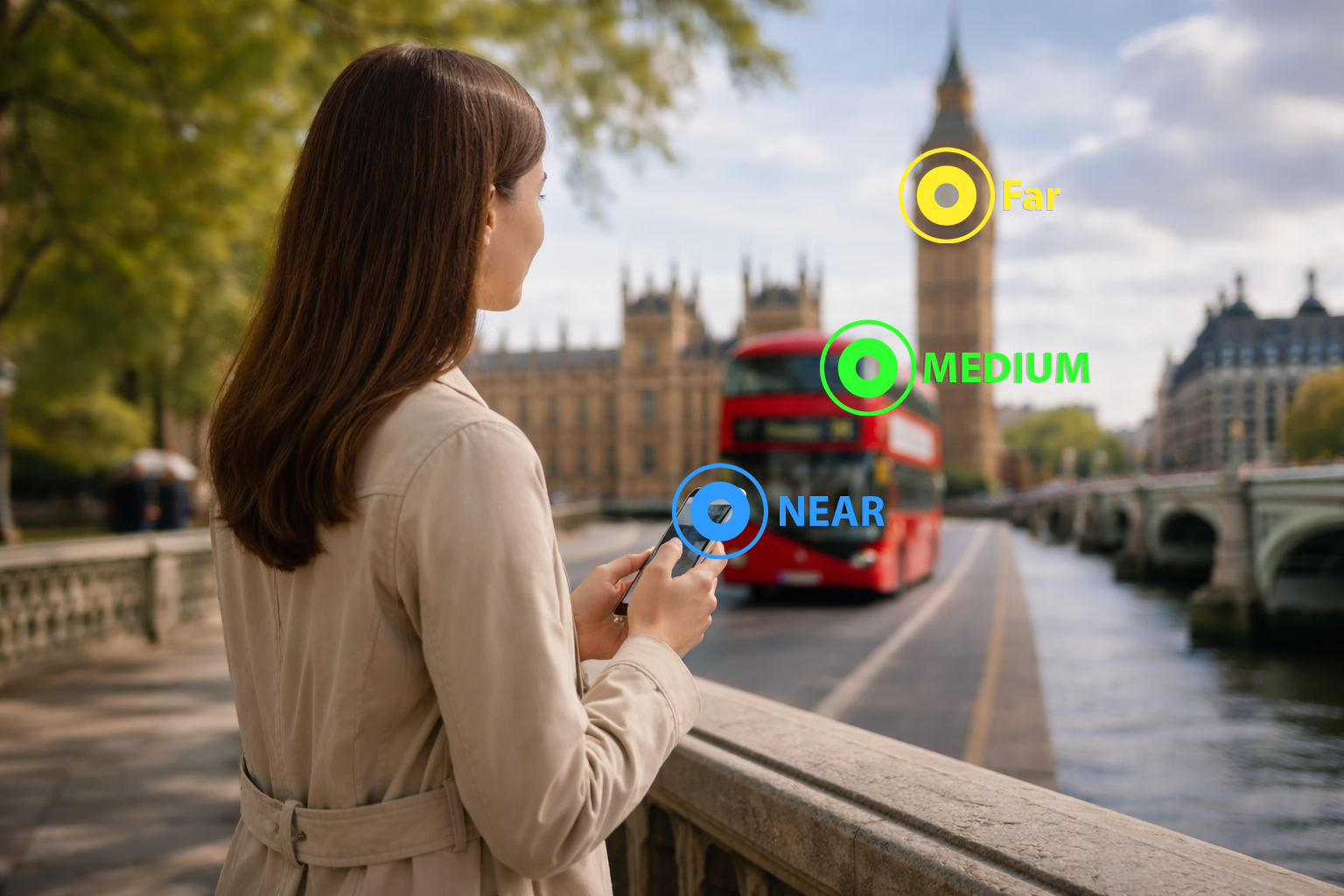
This interactive simulator is designed to show how age-related changes in the eye can affect vision at near, intermediate and far distances. By highlighting the types of blur people commonly experience when reading, using screens or looking into the distance, it helps you recognise patterns that may feel familiar in everyday life.
How to use
Use the buttons to explore how vision can appear at different distances. Each setting highlights a common real-world scenario, such as reading on a phone, working at a screen, or looking into the distance. Switch between views to see where blur or strain may feel familiar, then reset at any time to compare again. If any of the views reflect what you experience day to day, a professional eye assessment can help identify the cause and discuss appropriate options.
Presbyopia Distance Simulator
Switch between near, intermediate and distance to see how blur can feel at different viewing ranges. This is a visual guide, not a diagnosis.
| What you may notice | What it can indicate | Clinical focus during assessment |
|---|---|---|
| Blurred distance vision | Distance clarity may be reduced, even if vision feels manageable day to day. | Refraction accuracy, corneal shape, astigmatism, and long-term refractive stability. |
| Difficulty reading or using a phone | Common early sign of presbyopia or age-related lens changes, particularly after 40. | Natural lens behaviour, near and intermediate focus, and suitability for modern correction options. |
| Glare or halos at night | Can be linked to astigmatism, pupil behaviour, optical quality, or early lens opacity. | Contrast sensitivity, wavefront quality, pupil size in low light, and lens clarity. |
| Screen-related fatigue or fluctuating focus | Visual strain is common with prolonged screen use and may highlight underlying focusing or tear-film issues. | Tear film stability, blink dynamics, focusing endurance, and prescription balance. |
| Dry, gritty, or burning eyes | Dry eye disease can reduce visual quality and comfort, even with otherwise sharp vision. | Tear film quality, meibomian gland function, and surface optimisation before any correction. |
| Eye strain or headaches | May reflect uncorrected refractive error, visual imbalance, or sustained focusing effort. | Refractive stability, binocular vision balance, and workload-related visual stress. |
| Family eye history or previous eye surgery | Certain histories increase the importance of careful screening and long-term planning. | Retinal health checks, corneal integrity, and personalised suitability assessment. |
When to consider a professional assessment
If any of the visual changes shown here feel familiar, such as difficulty reading, screen fatigue, night-time glare or fluctuating focus; a professional eye assessment can help clarify the cause. Advanced diagnostics allow surgeons to determine whether symptoms are related to presbyopia, refractive error, dry eye, or natural lens changes, and to advise on appropriate options.
Disclaimer
This presbyopia vision simulator is designed to help illustrate how age-related changes in focusing ability can affect vision at different distances. It is provided for educational and awareness purposes only and does not offer a diagnosis or replace a comprehensive eye examination.
EuroEyes London uses this tool to support informed consultations, not to replace professional medical advice.
FAQ's
What is presbyopia and when does it usually start?
Presbyopia is an age-related change in the eye’s natural lens that reduces its ability to focus at near distances. It typically begins in the early to mid-40s and progresses gradually over time.
Why can I see clearly in the distance but struggle to read?
This is one of the most common early signs of presbyopia. Distance vision may remain sharp while near tasks such as reading a phone, menu or screen require more effort or holding items further away.
Can presbyopia affect intermediate vision, such as computer work?
Yes. Many people first notice presbyopia during screen use rather than reading. Difficulty focusing at arm’s length, visual fatigue or needing frequent breaks can all be related to changes in near and intermediate focus.
Is presbyopia the same as long-sightedness?
No. Long-sightedness (hyperopia) is a refractive error that can occur at any age. Presbyopia is a natural ageing process of the lens and can occur whether or not you have previously needed glasses.
Can presbyopia cause glare or difficulty driving at night?
It can contribute, particularly when combined with astigmatism or early lens changes. Glare, halos or reduced contrast at night are common reasons people seek assessment as presbyopia develops.
How is presbyopia assessed and managed at EuroEyes London?
Assessment involves measuring how your eyes focus at different distances and evaluating lens behaviour, visual demands and lifestyle needs. Management options may include glasses, contact lenses, laser-based approaches in suitable cases, or modern lens-based solutions depending on individual factors.
Why Choose Us?
Award Winning Clinic For Smile Pro, Trifocal And ICL Operations

Specialised with Laser Vision Correction and Presbyopia Treatment (high volume surgeons each 2000 operations a year).

Performed the most ICL Implantations in Europe (treatment of myopia).

We have been award winning clinic for performing smile, trifocal and ICL operations worldwide.

World Renowned. EuroEyes London is a part of the acclaimed EuroEyes International Eye Group, with clinics in major global cities.

Expert Surgeons. Established 1993 with more than 30 years of experience in refractive and lens surgery.

Performed the most Trifocal Lens (Zeiss) Implantations Worldwide (treatment of presbyopia).
We Look Forward To Seeing You!
We Have Been Featured In


