A Decade of Global Leadership in Trifocal Lens Surgery
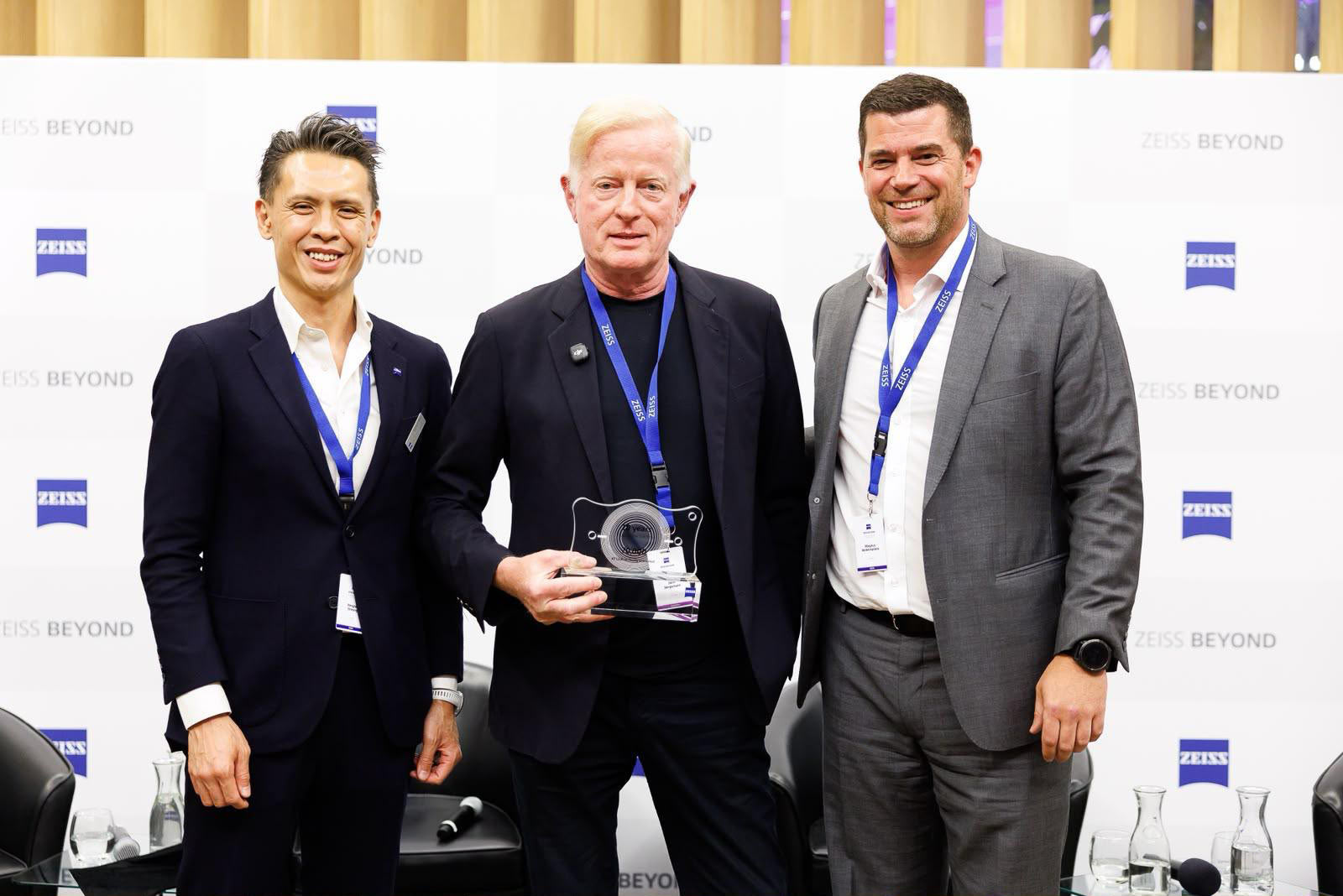
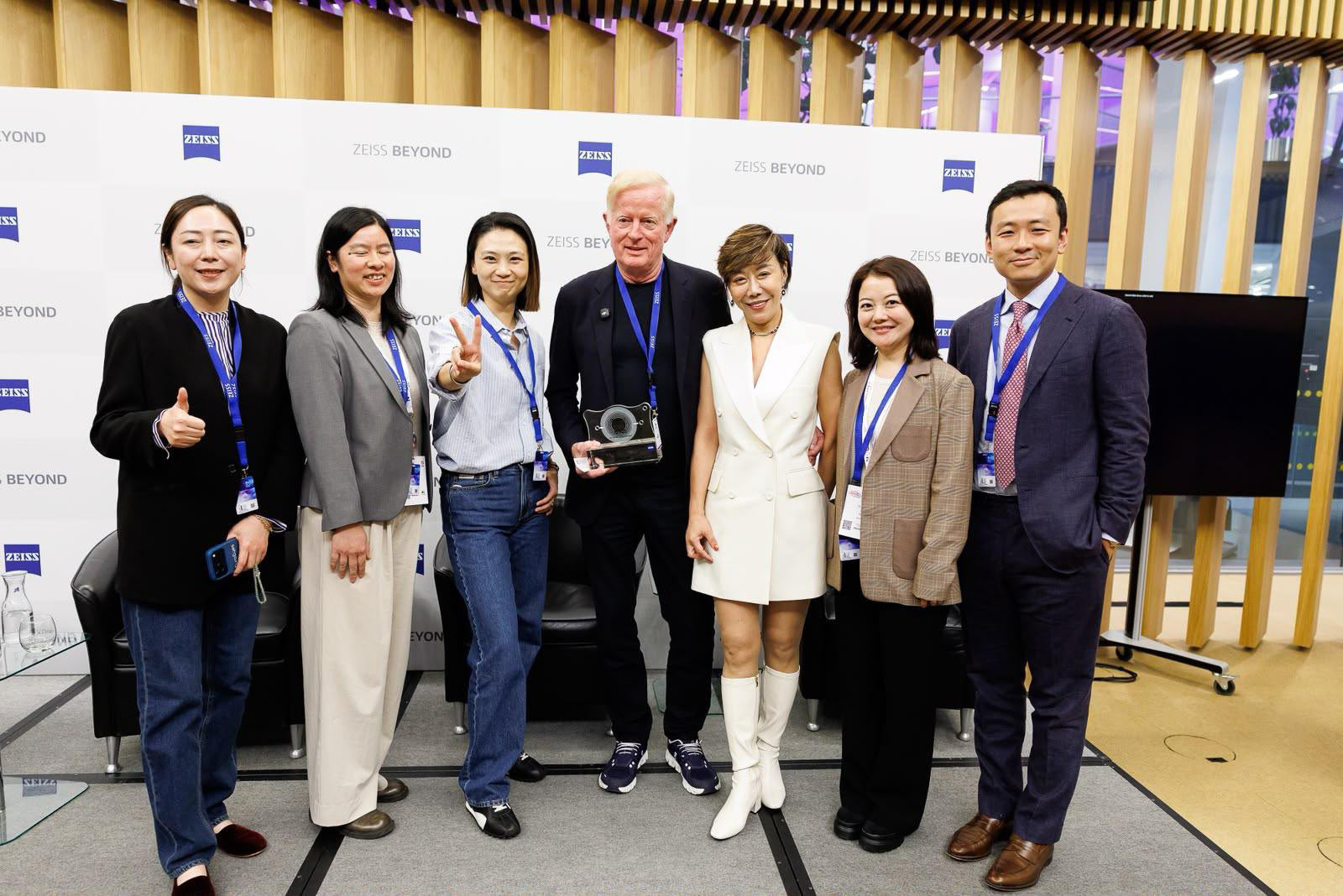
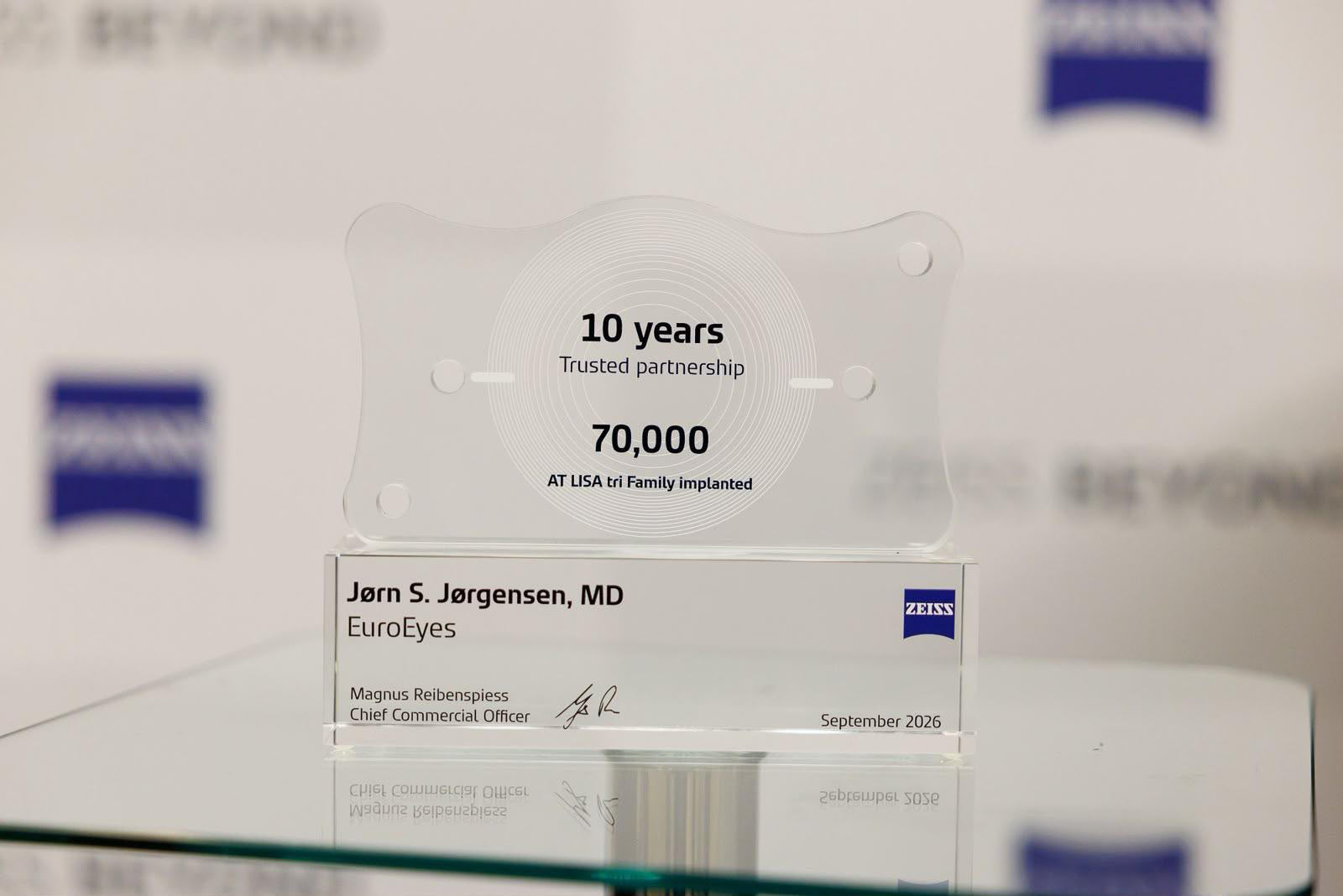
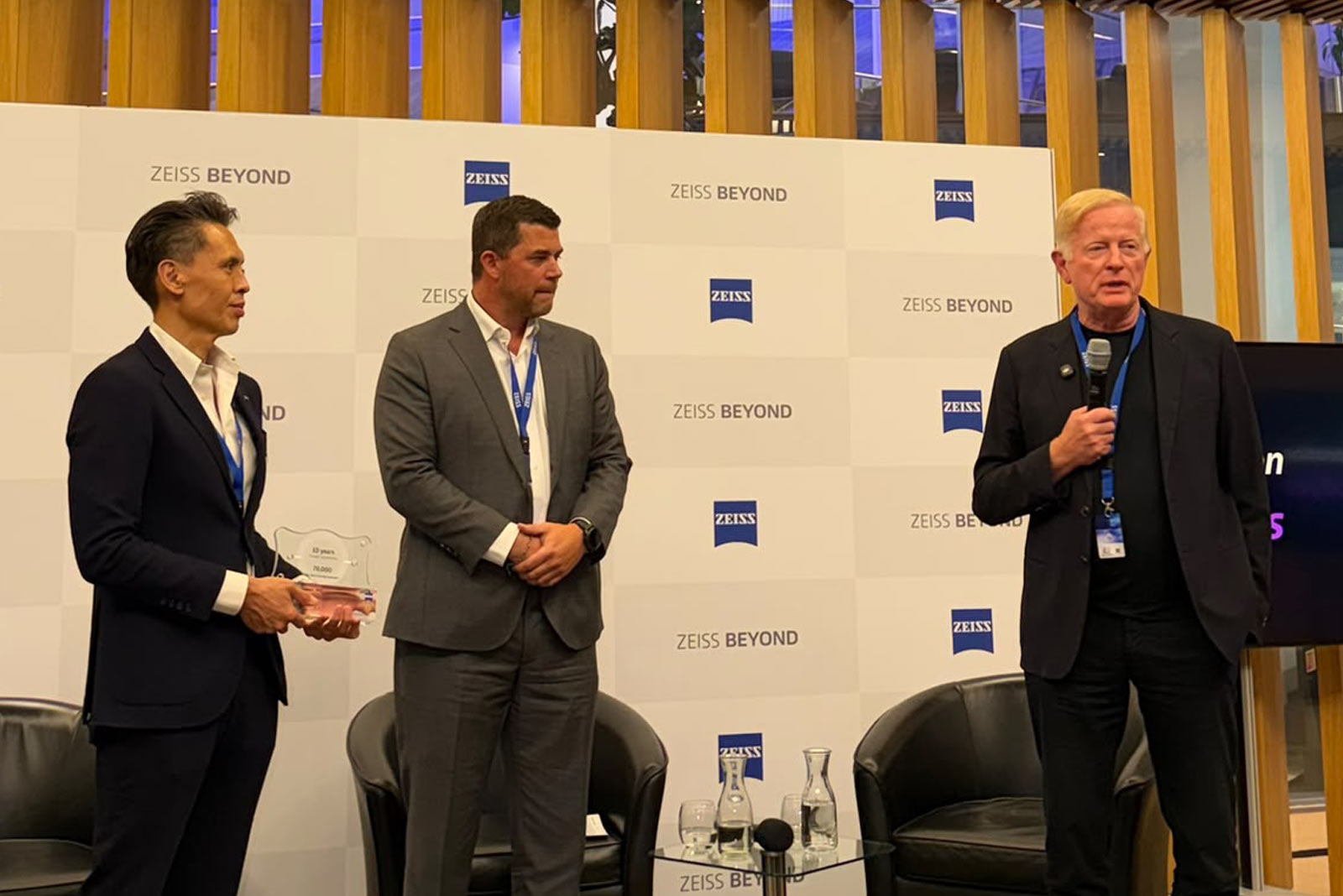
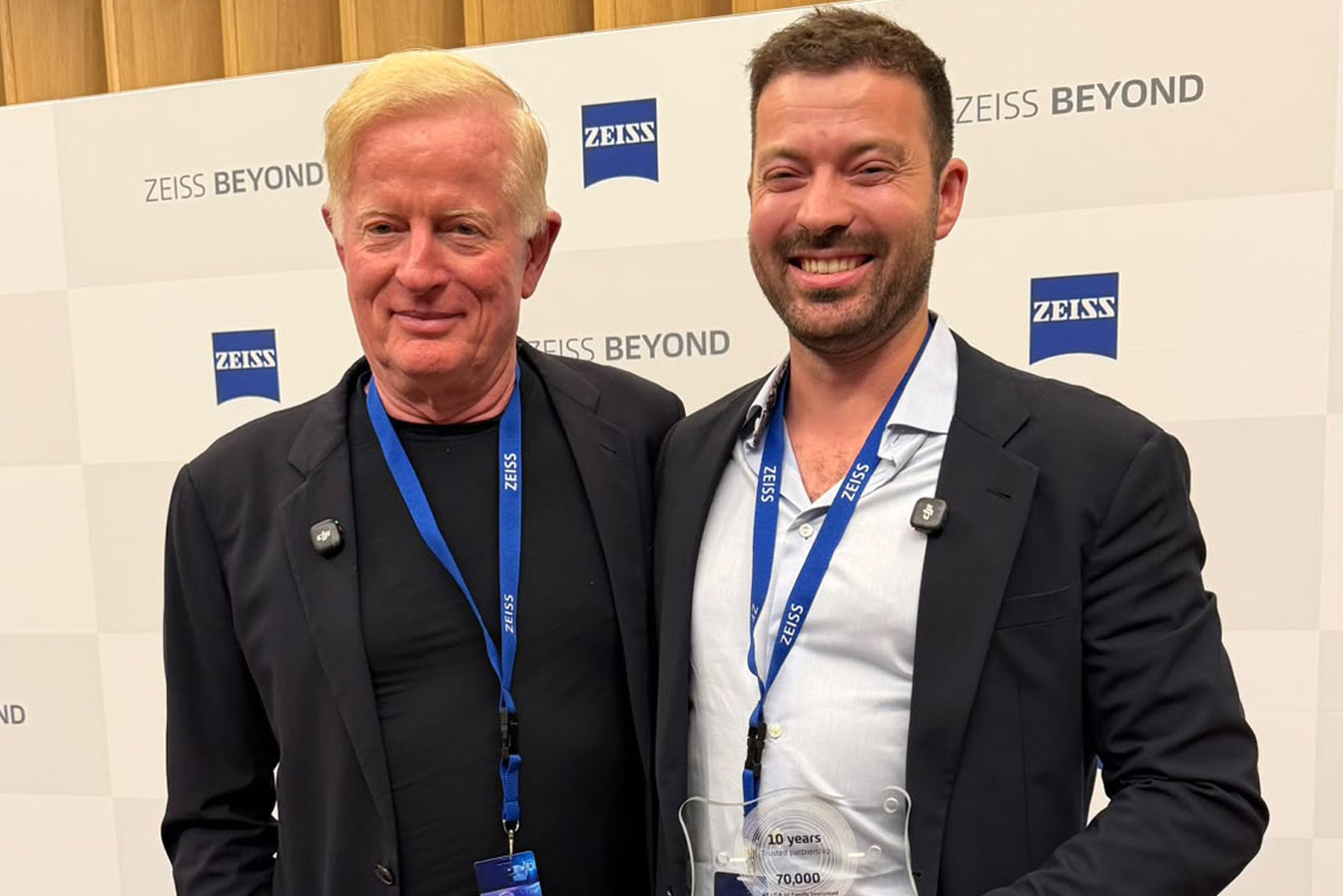
Reaching the highest annual implantation volume is a significant accomplishment. Maintaining that position for ten consecutive years demonstrates something even more meaningful: continuity. Throughout this period, EuroEyes has continued to refine its approach to patient assessment, surgical planning, lens selection and aftercare. This depth of experience allows its international clinical teams to draw upon the knowledge gained from a substantial number of procedures while continuing to treat every patient as an individual. The award also strengthens EuroEyes’ position as one of the world’s most experienced clinic groups in the surgical correction of presbyopia, the age-related reduction in near vision that commonly develops from the age of 40 onwards.“Being recognised by ZEISS for ten consecutive years is an extraordinary honour. It reflects the trust placed in EuroEyes by our patients and the dedication of our surgeons, optometrists and clinical teams across the Group. This achievement belongs to every person who has helped us maintain such consistently high standards.”Professor Thomas Neuhann, Founder and Medical Director of EuroEyes
Why Experience Matters in Trifocal Lens Surgery
Trifocal lens surgery is a highly personalised procedure. Successful treatment depends not only on the quality of the implanted lens but also on detailed diagnostic testing, careful patient selection, accurate measurements and precise surgical technique. Performing a large number of procedures over many years gives a clinical organisation extensive practical insight into different prescriptions, eye characteristics, lifestyles and visual expectations. It also helps surgeons understand which patients are most likely to benefit from trifocal technology and when another lens option may be more appropriate. For patients, this level of experience can provide reassurance that their treatment is being planned by a team familiar with a broad range of straightforward and complex visual requirements.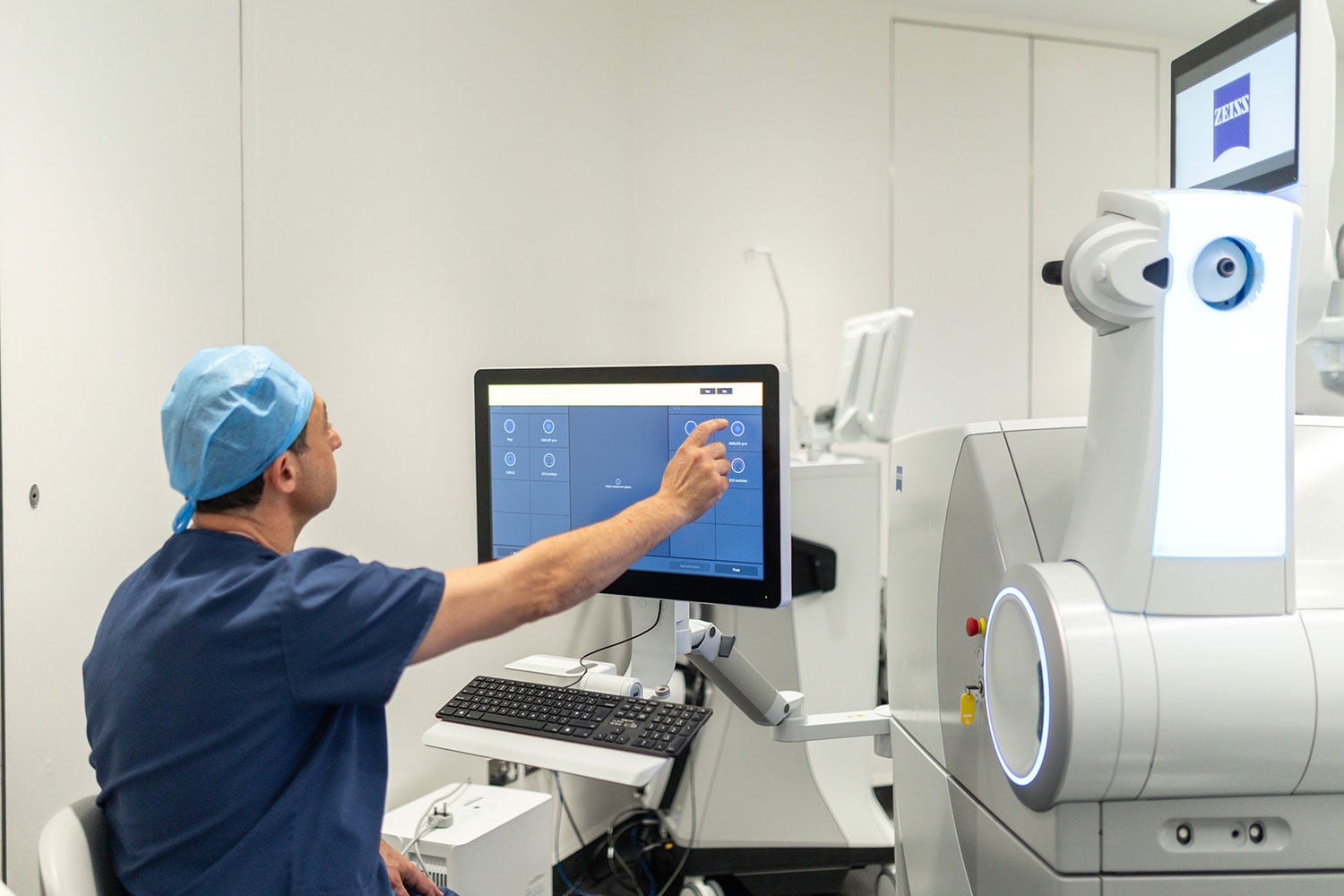
What Is a ZEISS Trifocal Lens?
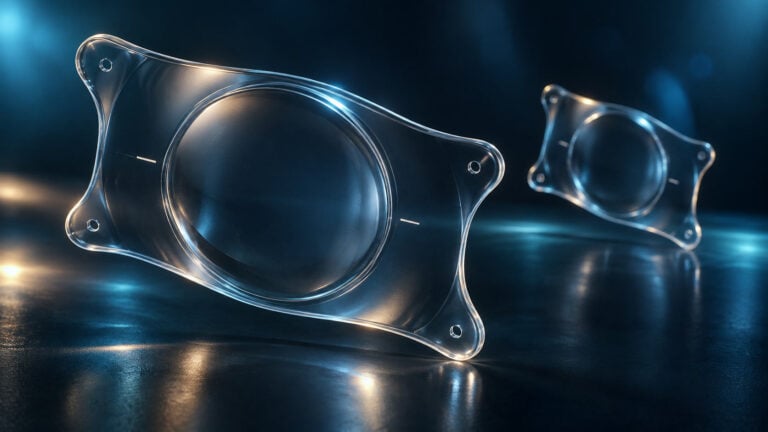
A trifocal intraocular lens is designed to provide useful vision across three principal focal ranges:- Near vision for reading, messages and close-up activities
- Intermediate vision for computers, dashboards and everyday tasks
- Distance vision for driving, watching television and recognising faces
Designed as a Lasting Vision Correction
A trifocal lens is intended to remain permanently within the eye. Unlike the natural lens, it does not develop another cataract and its optical power is not expected to weaken with age. This makes trifocal lens surgery an important long-term option for suitable patients who want to correct presbyopia or cataracts while reducing their dependence on glasses at multiple distances. Individual vision can still be affected over time by changes elsewhere in the eye, including the cornea, retina or optic nerve. Regular eye examinations therefore remain important following surgery, even when vision is clear and comfortable.Consistency, Safety and Standardised Quality
EuroEyes’ long-term experience has helped the Group develop established clinical pathways covering every stage of the patient journey. These include advanced diagnostic assessments, individual treatment planning, surgical protocols, postoperative examinations and continuing quality control. Standardisation is particularly important across an international clinic group. It helps ensure that surgeons and clinical teams work within the same carefully developed framework while still adapting the treatment plan to the needs of each patient. The considerable number of ZEISS trifocal procedures performed across the EuroEyes Group has also helped establish clinical benchmarks and provided a substantial body of experience from which its teams can continue to learn.What Ten Years of Leadership Represents
- Extensive international experience in trifocal lens implantation
- Ten consecutive years of consistent treatment leadership
- Established diagnostic and surgical protocols
- Standardised quality control across the EuroEyes Group
- A highly experienced international clinical team
- A long-term commitment to presbyopia and cataract correction
An Achievement Built by the Entire EuroEyes Team
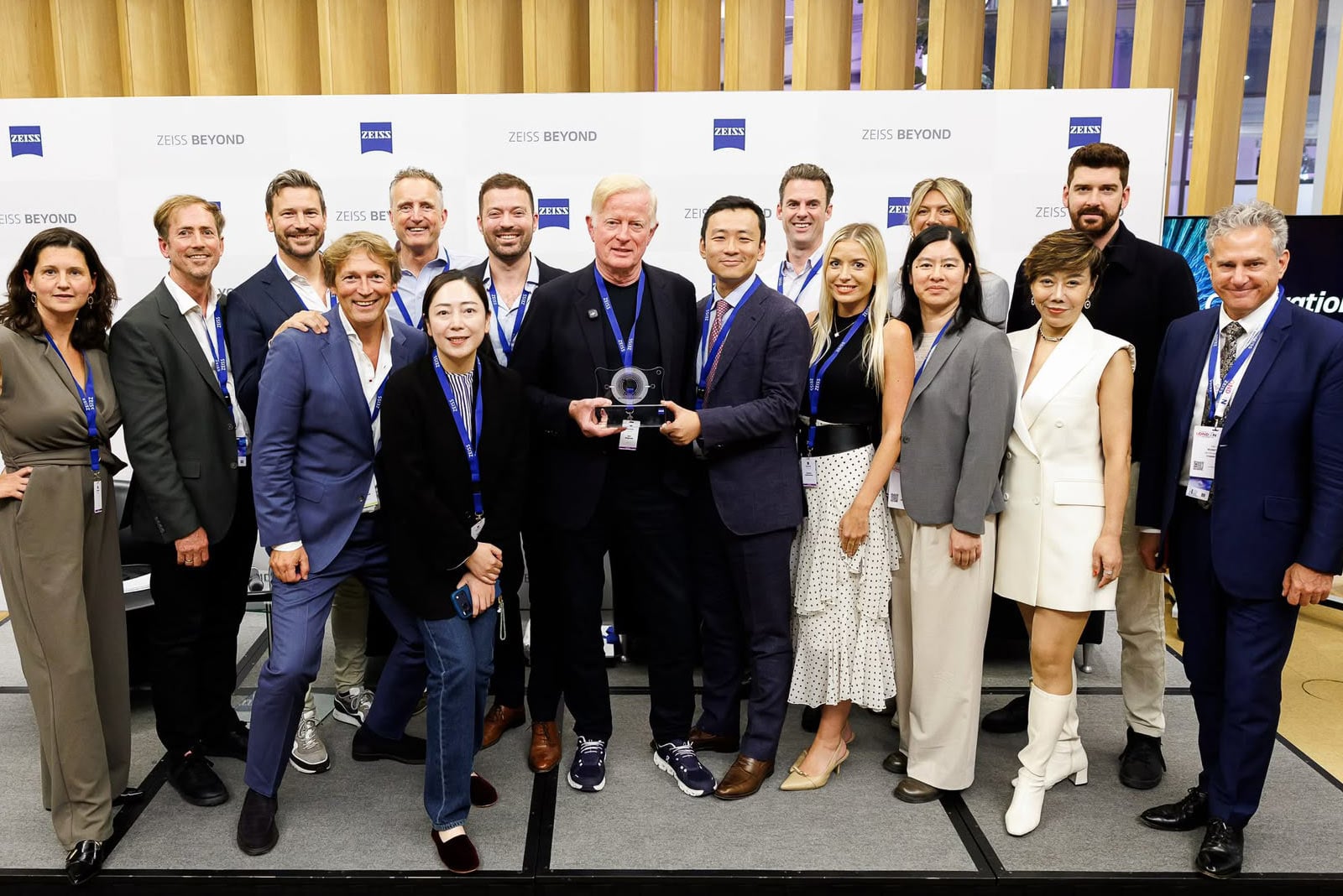
Remaining the world’s leading implanter of ZEISS trifocal lenses for a decade is not the achievement of one person or one clinic. It has been made possible by an international team of surgeons, optometrists, nurses, technicians and patient-care professionals working together year after year. Every stage matters, from the first conversation with a patient and the precision of the diagnostic assessment to the surgery itself and the quality of the postoperative care. The award recognises the collective experience, attention to detail and commitment of the entire EuroEyes organisation. It also recognises the many patients who have trusted the Group with something as important as their eyesight.Bringing World-Leading Lens Experience to London
Patients in the UK can access EuroEyes’ international experience through its London clinics. Every treatment journey begins with a comprehensive assessment to examine the health of the eyes, measure the prescription and understand the patient’s daily visual priorities. Trifocal lenses will not be the right choice for every person. Depending on age, eye health, prescription and lifestyle, another approach such as laser eye surgery, an implantable contact lens, a monofocal lens, an extended depth of focus lens or a Light Adjustable Lens may be recommended instead. This treatment-neutral approach is essential. The aim is not simply to implant a particular type of lens, but to identify the vision correction option most suited to the individual patient.Looking Beyond the Award
The ZEISS recognition marks an important moment in the history of EuroEyes, but it also represents a foundation for the future. Diagnostic technology, lens design and surgical planning continue to develop, creating new opportunities to personalise treatment and improve the patient experience. EuroEyes will continue to combine advanced technology with the clinical judgement developed through decades of specialist vision correction. Its objective remains unchanged: to provide carefully planned treatment that helps suitable patients enjoy clear, practical vision throughout everyday life. Ten consecutive years as the world’s leading ZEISS trifocal lens implanter is an exceptional milestone. Most importantly, it represents thousands of individual patient journeys and a decade-long commitment to helping people see life more clearly.Could Trifocal Lens Surgery Be Right for You?
A comprehensive consultation at EuroEyes can determine whether a ZEISS trifocal lens or another vision correction option is best suited to your eyes, lifestyle and visual goals.
Book Your ConsultationAll surgical procedures carry potential risks and limitations. Suitability and likely outcomes vary between patients and can only be assessed following a comprehensive clinical examination.