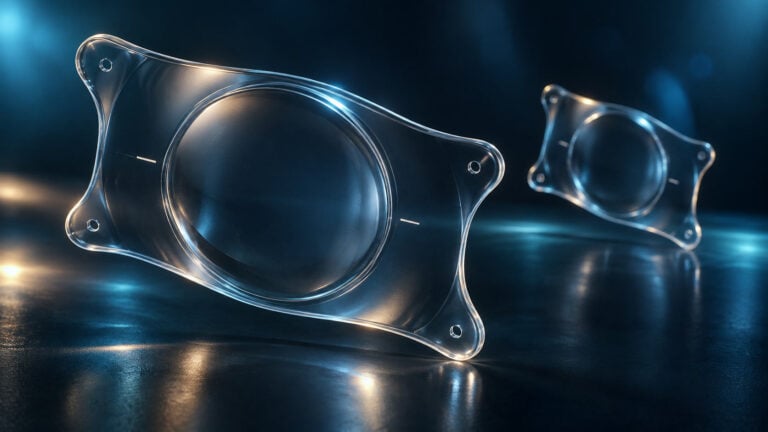
Cataract surgery is a transformative procedure that can significantly improve your vision and quality of life. If you’ve undergone cataract surgery or are considering it, you may wonder what to expect in terms of your vision after the procedure. The great news is that cataract surgery not only removes the clouded lens but also provides an opportunity to correct other refractive errors, offering the potential for clear distance and near vision without glasses. In this article, we will explore the options and strategies available for achieving this freedom and enjoying life without the constant need for eyeglasses.
Understanding Cataracts And Surgery
Cataracts are a common age-related condition in which the eye’s natural lens becomes cloudy, causing blurred vision, glare, and other visual disturbances. Cataract surgery involves the removal of the clouded natural lens and its replacement with an artificial intraocular lens (IOL). This procedure is highly effective in restoring clear vision, but it’s essential to understand that the choice of IOL can have a significant impact on your vision after surgery.
Types Of IOLs For Cataract Surgery
There are several types of IOLs available for cataract surgery, each with its unique characteristics and benefits:
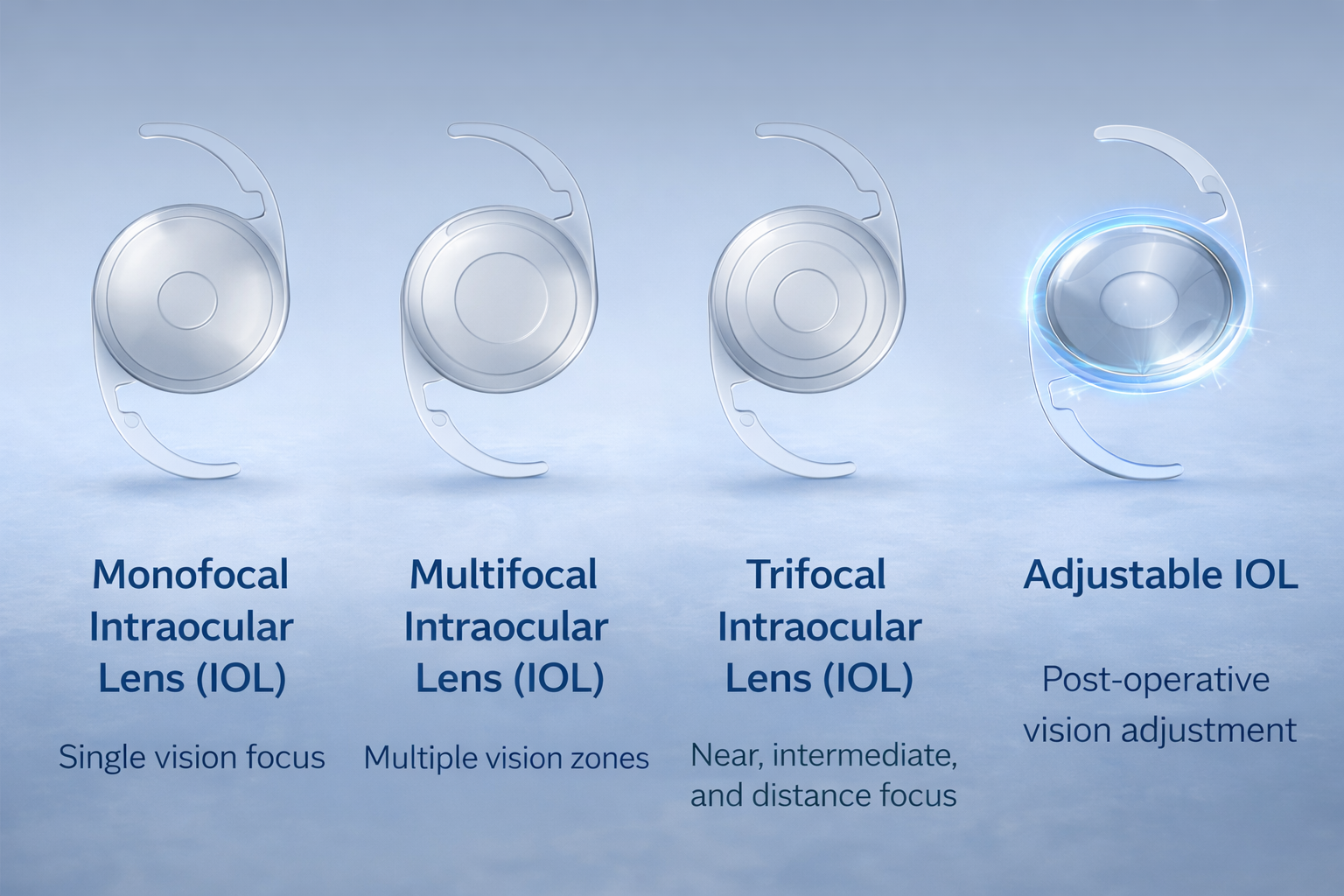
- Monofocal IOLs: Monofocal IOLs provide clear vision at a single focal point, typically for distance vision. While they offer excellent clarity for objects far away, patients often require reading glasses or bifocals for near tasks like reading or using a smartphone.
- Multifocal IOLs: Multifocal IOLs are designed to provide clear vision at multiple distances, including both near and far. They reduce the dependence on glasses for both distance and near tasks, offering greater convenience.
- Accommodating IOLs: Accommodating IOLs mimic the eye’s natural focusing ability, allowing them to shift focus between near and far objects. They can provide clear vision without glasses at various distances.
- Extended Depth of Focus (EDOF) IOLs: EDOF IOLs are designed to enhance intermediate and near vision, making them suitable for tasks like reading, using a computer, and viewing objects at arm’s length.
- Toric IOLs: Toric IOLs are specialised for individuals with astigmatism. They can correct both astigmatism and cataracts, providing clear vision without the need for glasses or contact lenses.
Choosing The Right IOL
Selecting the right IOL for your fast track, private cataract surgery is a crucial decision that should be made in consultation with your ophthalmologist. Your choice will depend on various factors, including your lifestyle, visual preferences, and the presence of any other refractive errors like astigmatism or presbyopia.
Options For Clear Distance Vision Without Glasses
- Monofocal IOLs for Distance Vision: If your primary concern is achieving clear distance vision without glasses, monofocal IOLs designed for distance may be the right choice for you. With this type of IOL, you can expect excellent clarity for objects far away. However, you may still need reading glasses for close-up tasks.
- Multifocal IOLs: Multifocal IOLs offer the advantage of clear vision at multiple distances, including both near and far. These IOLs can significantly reduce or eliminate the need for glasses for most daily activities, providing convenience and freedom.
- Accommodating IOLs: Accommodating IOLs, by mimicking the eye’s natural focusing ability, can provide clear distance vision without glasses. They are a suitable choice for those who desire a range of clear vision without the need for bifocals.
Choosing Clear Near and Distance Vision Without Glasses
One of the greatest advantages of modern cataract surgery is that it offers far more than simply removing a cloudy lens. Today’s advanced intraocular lenses (IOLs) allow many patients to reduce, or even eliminate, their dependence on glasses by tailoring vision correction to their lifestyle. During your consultation, your EuroEyes surgeon will assess your eye health, visual requirements and daily activities to recommend the most appropriate lens technology for you.
Monovision
Monovision corrects one eye primarily for distance and the other for near vision. While many patients adapt well to this approach, it relies on the brain balancing two different focal points, which may reduce depth perception and is not suitable for everyone. Your surgeon will determine whether this technique is likely to provide comfortable, natural vision based on your individual visual profile.
Trifocal Intraocular Lenses
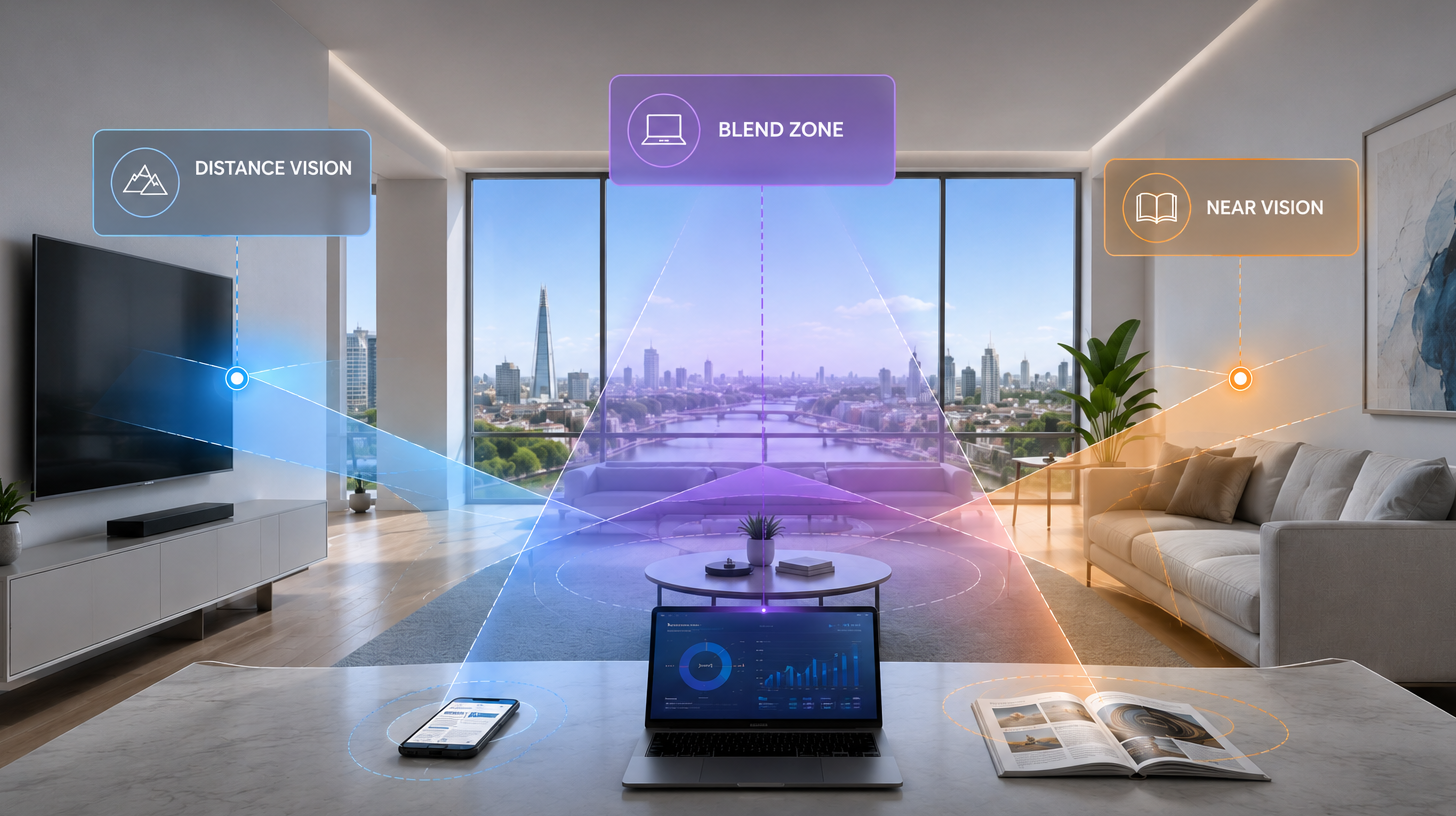
Trifocal IOLs are designed to provide excellent vision across near, intermediate and distance ranges. They are an excellent option for patients wishing to read, use digital devices, drive and enjoy everyday activities with minimal reliance on glasses. For many suitable candidates, trifocal lenses offer the greatest opportunity for complete spectacle independence.
Extended Depth of Focus (EDOF) Lenses
EDOF lenses create a continuous range of focus rather than distinct focal points, providing exceptional distance and intermediate vision with useful functional near vision. They are particularly popular with patients who spend time using computers, tablets and smartphones, while often producing fewer visual disturbances such as glare and halos than multifocal lenses.
Personalised Lens Selection
No single lens is right for every patient. Factors including your prescription, eye health, occupation, hobbies and expectations all influence which technology will deliver the best outcome. At EuroEyes, every lens recommendation is based on detailed diagnostic measurements and a comprehensive discussion with your surgeon, ensuring your treatment is tailored specifically to your visual goals.
A Personalised Approach to Vision Correction
In some cases, combining different lens technologies or carefully selecting complementary vision strategies can provide the ideal balance between distance, intermediate and near vision. Rather than adopting a one-size-fits-all approach, EuroEyes surgeons create a bespoke treatment plan designed around your individual eyes and lifestyle. The result is vision that not only restores clarity after cataract surgery but also enhances the way you see the world every day.
Your Vision Is As Unique As You Are
Choosing the right intraocular lens is about much more than your prescription. During your consultation, your EuroEyes surgeon will carry out a detailed assessment to understand how you use your eyes every day. From your occupation and hobbies to your eye health and visual expectations, every factor helps determine which lens technology will deliver the best long-term outcome.
| Consideration | Why It Matters |
|---|---|
| Your Lifestyle | Reading, driving, travelling, hobbies and sport all influence the most suitable lens choice. |
| Occupation | Computer work, detailed close tasks or frequent night driving may benefit from different optical solutions. |
| Distance vs Near Vision | Some patients prioritise reading without glasses, while others value crisp distance vision or a balanced range of focus. |
| Eye Health | Conditions such as astigmatism, dry eye or retinal disease may influence which lenses are recommended. |
| Visual Expectations | Your surgeon will discuss your expectations to ensure they align with the strengths of each lens technology. |
| Advanced Eye Measurements | Thousands of data points are collected using sophisticated diagnostic equipment to personalise your treatment plan. |
Enhancing Vision With Corrective Procedures
In some cases, individuals who have undergone cataract surgery may find that they still require glasses for certain tasks or have specific visual preferences. Fortunately, there are additional procedures and strategies available to enhance vision further:
- Presbyond/LASIK or PRK: Laser vision correction procedures like Presbyond/LASIK (Laser-Assisted In Situ Keratomileusis) or PRK (Photorefractive Keratectomy) can be performed after cataract surgery to fine-tune vision and reduce the need for glasses.
- Monovision Correction: Monovision can be achieved through contact lenses, additional refractive surgeries or clear lens exchange to optimise vision for both near and far tasks.
- Prescription Eyewear: While the goal of cataract surgery is to reduce or eliminate the need for glasses, some individuals may still prefer prescription eyewear for specific activities or to enhance visual comfort.
What Most Patients Don’t Realise About Modern Cataract Surgery
Many people still view cataract surgery as simply removing a cloudy lens. In reality, modern cataract surgery in London is closer to precision refractive surgery than traditional ophthalmology. Today’s technology allows us to measure your eye in extraordinary detail. We assess corneal shape, axial length, ocular dominance, pupil dynamics and contrast sensitivity. These measurements allow us to personalise your intraocular lens selection with far greater accuracy than ever before.
For many patients, this means:
- Improved night driving clarity
- Reduced glare compared to older lens designs
- Greater independence from glasses
- Sharper contrast and colour perception
- A more natural visual experience.
At EuroEyes, the goal is not only to restore vision, but to optimise how you see the world for the next 20 to 30 years. Cataract surgery is often a once-in-a-lifetime opportunity to reset your vision. Making the right lens decision at this stage can dramatically influence your long-term visual freedom.
Are Premium Cataract Lenses Worth It?
Premium intraocular lenses such as trifocal, toric and extended depth of focus (EDOF) lenses are designed to reduce dependence on glasses. While standard monofocal lenses provide excellent clarity at a single distance, premium lenses expand the visual range and can improve overall lifestyle convenience.
The right choice depends on your priorities. For patients who value spectacle independence and a broader range of vision, premium lens options can offer significant long-term benefits.
How Long Does Vision Stabilise After Cataract Surgery?
Most patients notice improved clarity within a few days of surgery. Vision continues to refine over several weeks as the eye heals and adapts to the new lens. In cases where fine adjustments are needed, laser enhancement procedures can further optimise outcomes.During your follow-up appointments at EuroEyes London, we carefully monitor healing to ensure your vision reaches its full potential.
Achieve The Goal Of Clear Distance Vision
Cataract surgery offers the opportunity to enjoy clear vision and an improved quality of life. By choosing the right type of IOL and considering additional vision correction strategies, you can achieve the goal of clear distance and near vision without glasses. Whether you opt for multifocal IOLs, accommodating IOLs, or a combination of procedures, cataract surgery can provide a life-changing experience, allowing you to see the world with clarity and convenience. Consult with your eye care professional to explore the best options for your unique visual needs and preferences, and embark on your journey to a glasses-free and vibrant future.