Cataract and lens replacement surgery are usually spoken about in medical terms, clarity of vision, reducing dependence on glasses, restoring sight. But there’s another side of the story that often goes unnoticed: the way your vision influences sporting performance.
From golf to tennis, boxing to driving, the ability to judge distance, track motion, and react quickly depends heavily on the quality of your sight. The question is simple: can lens replacement surgery actually make you better at sport?
How Vision Affects Sport
Most athletes and enthusiasts think about strength, stamina, and technique but vision is just as critical. Key visual skills include:
- Depth perception: judging the distance to a golf hole, or how far away a tennis ball is.
- Contrast sensitivity: picking out a cricket ball against a cloudy sky, or spotting a football under floodlights.
- Reaction time: detecting motion and responding instantly, whether that’s a goalkeeper saving a penalty or a boxer avoiding a punch.
- Peripheral awareness: essential in team sports like rugby or hockey.
If your vision is blurred, distorted, or overly dependent on glasses that fog, slip, or limit your field of view, your performance suffers.
What Lens Replacement Surgery Actually Does
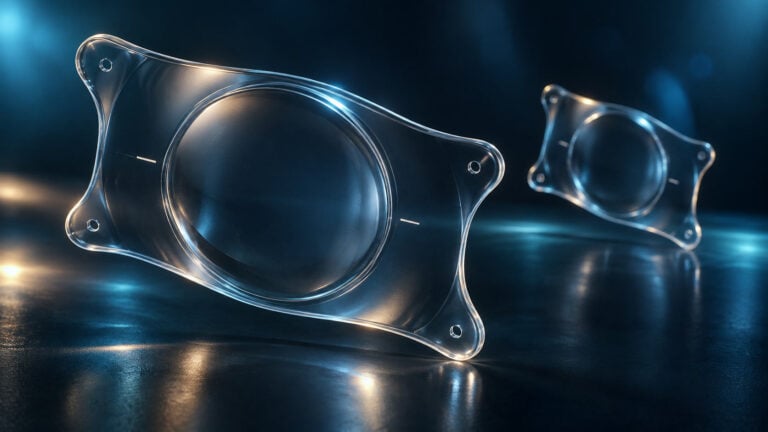
In cataract or refractive lens exchange (RLE) surgery, the eye’s natural lens, cloudy with age or no longer focusing well, is removed and replaced with a clear intraocular lens (IOL). Unlike contact lenses or glasses, this implant sits inside the eye, permanently correcting vision.
Today, patients can choose from several lens types:
| Lens Type | What It Does | Best For | Limitations |
|---|---|---|---|
| Monofocal IOL | Clear vision at one fixed distance (usually distance). | Straightforward distance clarity; glasses for reading. | Still need reading glasses. |
| Toric IOL | Corrects both cataract and astigmatism. | Sharper distance vision for patients with astigmatism. | Doesn’t address near vision. |
| Trifocal IOL | Focus at near, intermediate, and distance. | Golfers, drivers, and professionals seeking glasses independence. | Possible halos/glare in night-time sports. |
| EDOF IOL | Extended range of focus (distance + intermediate). | Runners, cyclists, computer users. | May need glasses for fine near work. |
| Light Adjustable Lens (LAL) | Fine-tuned after surgery using UV adjustments. | Precision outcomes, customised for athletes. | Requires multiple follow-ups. |
| Contact Lenses (post-surgery) | Fine-tune small prescription errors. | Situational use, cosmetic preferences. | Daily care, less comfort post-surgery. |
Sports Where Lens Surgery Makes a Difference
Golf
- Improved depth perception and clearer distance vision for judging shots.
- Trifocal or EDOF lenses allow golfers to see the ball at their feet and the flag in the distance.
Tennis & Badminton
- Better ball tracking and reaction speed without glasses sliding down.
- Astigmatism correction (toric lenses) sharpens accuracy on fast serves.
Cycling & Running
- Clear long-distance focus without fogging or slipping glasses.
- Wide, natural field of vision with no frames obstructing.
Boxing & Martial Arts
- Faster reaction times with sharp, unaided vision.
- No risk of broken glasses or contact lenses dislodging during training.
Motorsport & Driving Sports
- Enhanced contrast sensitivity at high speeds.
- Trifocal or LAL lenses reduce glare from headlights and improve low-light performance.
The Limits: Where Contact Lenses or Glasses Still Compete
- Night-time sports under floodlights: trifocal lenses can cause halos or glare for some patients.
- Dry eye after surgery: can make contact lens wear uncomfortable in the short term.
- Individual variability: not every athlete adapts the same way; some may still prefer light spectacles for specific tasks.
Case Examples
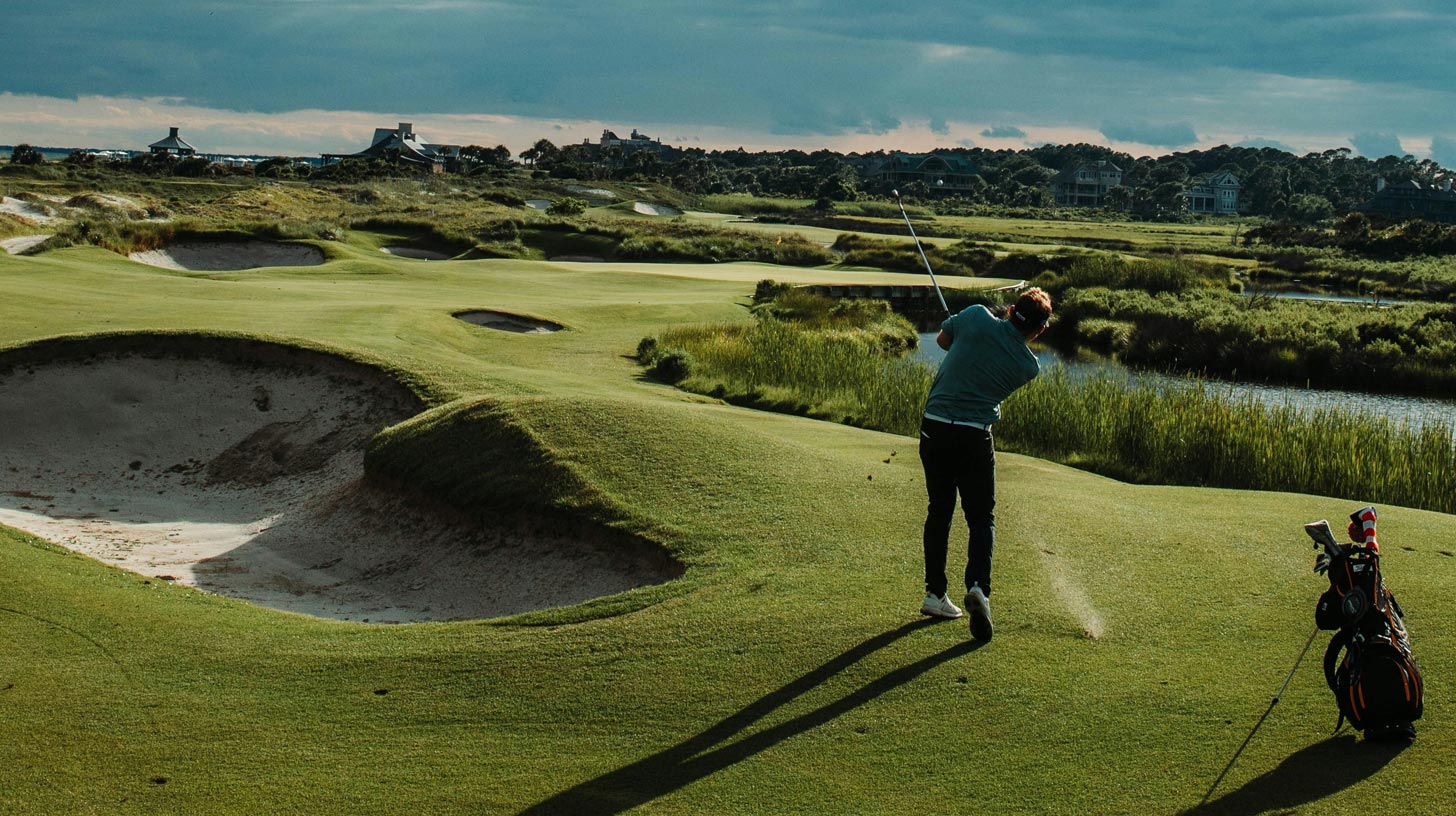
Golf: Clarity from Tee to Green
At 58, Mike, a lifelong golfer, found cataracts beginning to dim the game he loved. Reading greens became frustrating, and switching between distance glasses for long drives and reading glasses for his scorecard broke his concentration. After choosing trifocal IOLs, he described the change as “like upgrading to HD vision.” Suddenly, the flag stood out crisply across the fairway, while his putting improved thanks to more reliable depth judgement. Even small details, like reading the yardage markers or glancing down at his scorecard, became effortless, no glasses, no interruptions. He told us his handicap dropped by two strokes within six months of surgery.
Marathon Running: Endurance Without Distraction
For Karen, a 52-year-old marathon runner, glasses had always been a hassle on long races. They fogged in rain, slipped with sweat, and made checking her pace watch awkward mid-stride. Contact lenses weren’t much better, often drying out in the wind after twenty miles. She opted for EDOF (Extended Depth of Focus) lenses, chosen specifically to give her sharp distance vision for the road ahead and clear intermediate vision for her watch. Post-surgery, she reported a freedom she hadn’t felt since her twenties. Running without glasses meant one less thing to think about on race day, no adjustments, no worries about contacts falling out. She crossed her first marathon post-op with a personal best, crediting the clarity for helping her maintain focus and rhythm.

Boxing: Fighting With Focus
At 49, Mark had returned to amateur boxing after years away from the ring, only to find his astigmatism and cataracts were holding him back. His glasses were obviously useless in training, and his contact lenses dislodged at the worst possible times, mid-sparring. He described the blur as “like fighting underwater.” After surgery with toric monofocal IOLs, designed to correct both cataract and astigmatism, he noticed sharper focus immediately. In sparring sessions, he could track an opponent’s movements more precisely and react a split second quicker, critical in combat sports. The added confidence of knowing his vision would stay sharp under pressure made his return to the sport not only safer but far more enjoyable.

When Vision Correction Made a Sporting Difference
- Tiger Woods (Golf)
Before LASIK in 1999, Tiger Woods reportedly struggled to see across golf greens clearly, “counting fingers vision,” as one surgeon described. Post-surgery, his visual acuity improved to approximately 20/15. He described the greens as appearing “bigger,” which many believe contributed to a string of tournament wins immediately afterwards. Whitten Laser Eye - LeBron James (Basketball)
LeBron underwent LASIK in 2007. With enhanced vision, he not only continued to dominate the court but also sharpened his court awareness and reaction times, critical at the elite basketball level. Center for Excellence in Eye CareKugler Vision - Olympians: Amy Van Dyken & Brendan Hansen
Olympic swimmers Amy Van Dyken and Brendan Hansen both had LASIK surgery-Van Dyken in 2011, Hansen in 2009 and continued achieving gold medals afterward. Their stories underline how elite athletes rely on perfect vision as much as perfect technique. Boxer Wachler Vision Institute LASIK Vision Institute - Max Strus (NBA)
Cleveland Cavaliers guard Max Strus lived with severe myopia, managing contacts and glasses since childhood. Post-EVO ICL surgery (implantable collamer lens), he expressed the freedom to perform unencumbered on court, no dry eyes, no contact mishaps and smoother vision during games. investors.staar.com+3Parkhurst NuVision LASIK Eye Surgery - Stuart Bingham (Snooker)
Newspaper reports highlight that former world snooker champion Stuart Bingham has opted for lens replacement surgery this summer, aiming to rekindle his cricket-level focus. Bingham hopes restored clarity will extend his professional edge, citing poor vision as having lowered his confidence and performance over the past few months. thesun.co.uk+1
Why These Examples Matter for EuroEyes
These stories go beyond routine success! They illustrate how elite performers across diverse sports invest in vision correction not just to see better, but to play better.
- Golf green reading improved.
- Split-second vision in the NBA remains razor sharp.
- Snooker accuracy restored.
- Clear, confident court vision post-surgery.
Unlock new levels of visual performance
Lens replacement surgery is not just about removing cataracts, it can unlock new levels of visual performance. For many patients, the result is more than sharper sight; it’s better sport, more confidence, and greater independence.
Of course, no procedure is a “shortcut” to becoming a pro athlete. But by improving depth perception, clarity, and reaction times, and by freeing patients from glasses or contacts lens surgery can absolutely enhance how you play, compete, and enjoy sport at any age.
At EuroEyes London, we help you choose the right lens for your lifestyle, whether that means sharper driving at night, better putting on the green, or faster reactions on the court.