
EuroEyes Education Panel
Stay informed with expert-led articles on laser eye surgery, ICL implants, cataract solutions,
and personalised vision care from the specialists at EuroEyes UK.
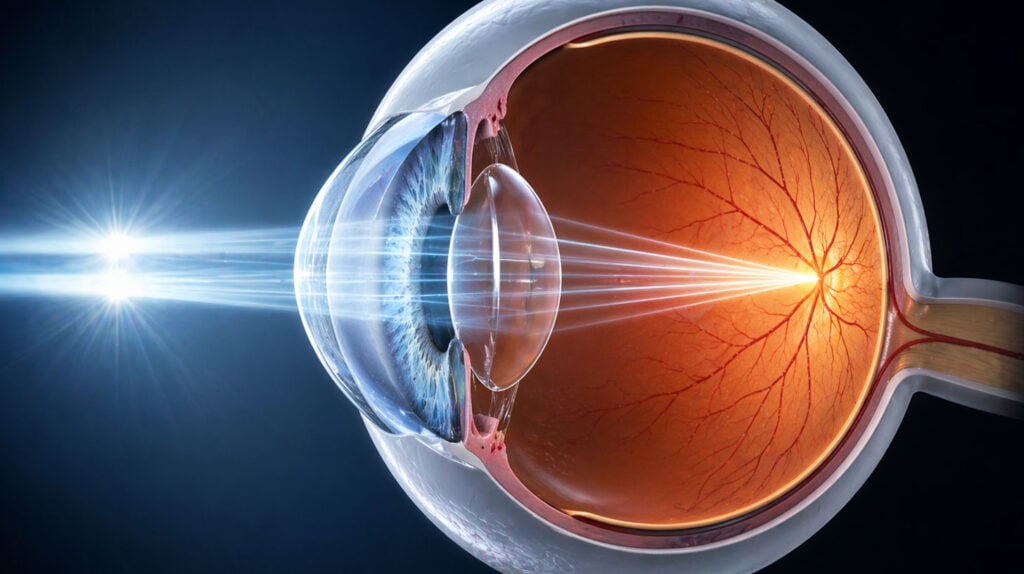
Light Sensitivity in the Eyes
Light sensitivity, or photophobia, is one of those symptoms people often dismiss until it starts affecting daily life. It can begin subtly. You find yourself squinting more than usual on a bright day, turning screens down lower than others, or avoiding night driving because headlights feel harsher than they used to. Over time, it becomes less of an inconvenience and more of a constant adjustment.
Life After Laser Eye Surgery
Laser eye surgery has advanced significantly, particularly with treatments such as SMILE® Pro and modern LASIK, but recovery is still a journey. Understanding that journey properly helps patients feel confident, prepared, and realistic about their results. At EuroEyes London, we guide patients not just through surgery, but through every stage of recovery. What follows is a clear, experience-led view of what life looks like after laser eye surgery, from the first few hours through to long-term vision.

Eye Twitching After Laser, Lens And Cataract Eye Surgery
It’s a small thing, but it can feel surprisingly unsettling. A few days or weeks after eye surgery, you notice a flicker in your eyelid. Not painful, not constant, just a light, repetitive twitch that seems to come and go without warning. For many patients, it raises an immediate question.
Is this normal?
How To Recover From Laser Eye Surgery
For most people considering laser eye surgery, the procedure itself is only part of the decision. The bigger question is what happens afterwards. How long does it take to recover, when does vision become clear again, and how quickly can you return to normal life? The reality is that recovery from laser eye surgery is often much faster than people expect. Modern techniques such as LASIK and SMILE Pro are designed to minimise disruption to the eye, allowing patients to return to daily activities within a very short period of time. However, understanding the healing process properly helps set realistic expectations and ensures the best possible outcome.
Which Laser Eye Treatment Is Right For Me?
In today’s world, choosing laser eye surgery is no longer just about correcting your vision. Patients are increasingly looking for a complete experience, one that combines the expertise of a highly experienced surgeon, access to the latest technology, and treatment options that feel both safe and financially accessible.

Are Implantable Contact Lenses Safe, and How Long Do They Last?
Implantable Contact Lenses (ICL) represent one of the most advanced forms of refractive vision correction available today. Unlike lens replacement surgery, ICL does not remove the natural lens of the eye. Instead, it adds a highly precise optical element inside the eye to correct refractive error while preserving natural anatomy.
Latest Press
EuroEyes Expands into Switzerland with New Advanced Eye Clinics
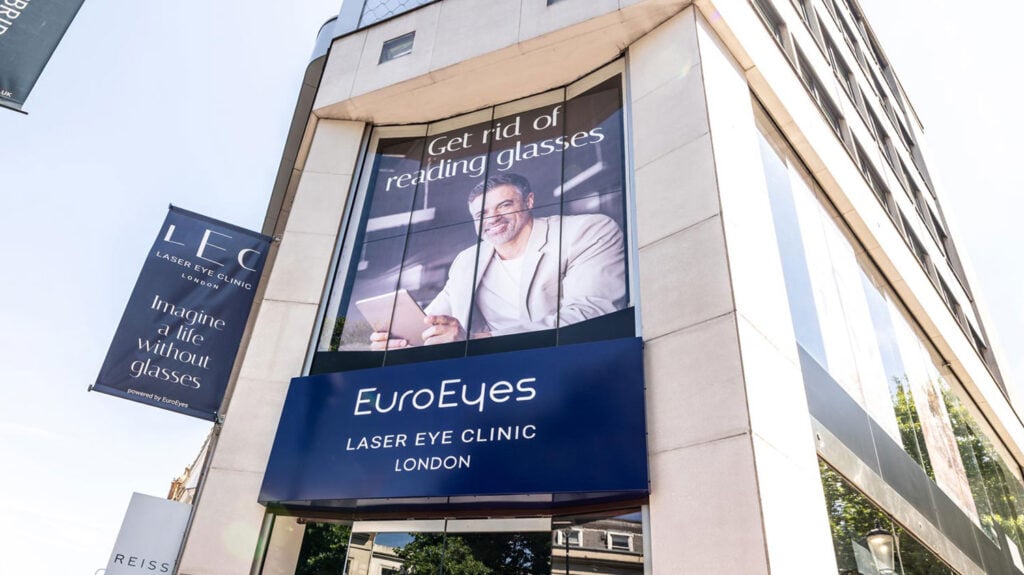
EuroEyes combines international medical excellence with more than three decades of experience in laser vision correction, presbyopia (age-related farsightedness), and cataract treatment. The group is medically led, owned by physicians, and globally recognized for its pioneering surgical innovation and commitment to quality.

EuroEyes Expands London Footprint With Acquisition Of Betterview’s Westfield Clinic
EuroEyes today announced the acquisition of Betterview’s laser eye surgery clinic at Unit 2014, The Village, 1st Floor, Westfield London Shopping Centre, Ariel Way, Shepherd’s Bush, London W12 7GF. The addition strengthens EuroEyes’ presence in the capital and provides a convenient West London location for consultations and treatment.
Light Adjustable Lens arrives in Europe at EuroEyes London
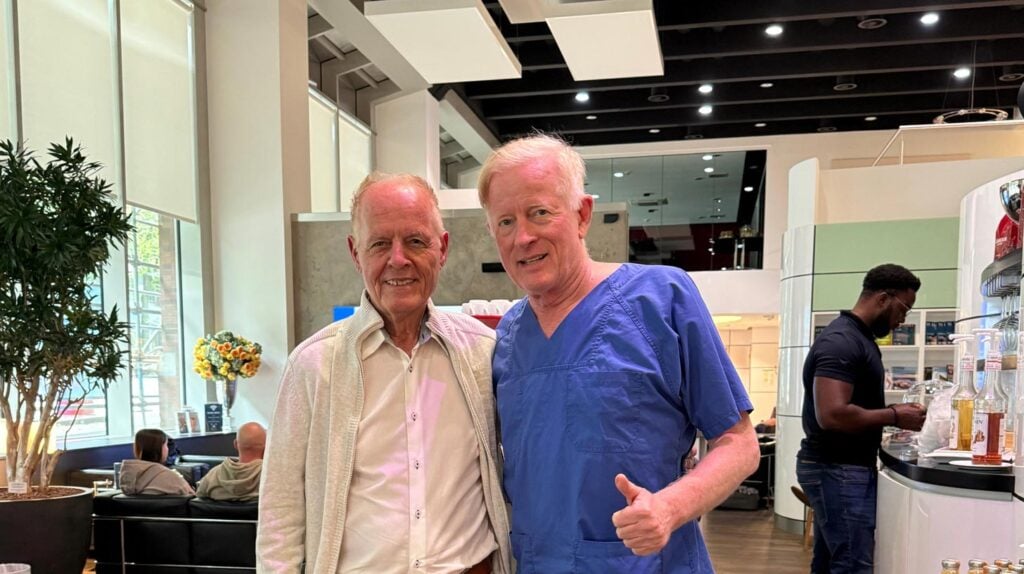
EuroEyes has reached an important milestone for patients with cataracts. Last week, our teams in Hamburg and London treated the very first patients in Germany and the UK with the newest generation Light Adjustable Lens (LAL) from RxSight. It marks the beginning of a new era in which vision can be personalised after surgery, not just predicted before it.

A Successful First Joint Conference on Presbyopia Treatment
EuroEyes LEC London and London Vision Clinic proudly hosted their first collaborative CPD event for optometrists on Sunday, 6th July 2025, bringing together professionals from across the UK for a full day dedicated to the evolving treatment landscape of presbyopia.
