Presbyopia is a natural part of ageing yet many people are caught off guard by its arrival. The word itself comes from Greek, meaning “old eye,” but the reality of presbyopia is far more universal. At some point, nearly everyone will experience it.
The condition usually begins in the early to mid-40s, creeping in quietly before becoming impossible to ignore. Suddenly, reading a menu in dim light, scrolling on a phone, or threading a needle feels far more challenging than it used to. But presbyopia is more than just an inconvenience; it’s a global visual shift tied to the biology of the ageing eye.
At EuroEyes, we meet thousands of patients each year who are living with the symptoms of presbyopia. Understanding what those symptoms look like, how they progress over time, and what advanced solutions are available is the first step to regaining clear, effortless vision.
Short-Term Symptoms of Presbyopia
When presbyopia first appears, the signs are often subtle. People may dismiss them as “just being tired” or needing stronger light. The short-term symptoms include:
- Blurry near vision: Reading text up close becomes difficult, even though distance vision remains clear.
- Holding objects further away: Many patients joke about having “shorter arms” as they extend books or phones to focus better.
- Eye strain: Tasks that were once automatic, like working at a computer or reading for long periods, now leave the eyes feeling fatigued.
- Headaches: Straining to focus can trigger tension headaches, especially after screen time or detailed work.
- Difficulty in low light: Menus in restaurants or small print under dim lighting suddenly feel impossible without additional light.
These early symptoms typically appear from the early 40s onward. At this stage, reading glasses or contact lenses can provide temporary relief, but the underlying condition continues to progress.
Long-Term Symptoms of Presbyopia
As presbyopia advances, the symptoms become more disruptive. What begins as a mild nuisance can grow into a daily frustration:
- Frequent prescription changes: Near-vision correction may need to be updated regularly as the lens stiffens further.
- Reduced night vision: Driving at night, especially in unfamiliar areas, can feel more hazardous.
- Loss of visual flexibility: Switching focus from near to far objects becomes slower, creating delays when shifting gaze (for example, from dashboard to road).
- Dependence on multiple pairs of glasses: Many people find themselves juggling readers, varifocals, or bifocals.
- Compromised work and lifestyle: For professionals, athletes, and anyone who relies on rapid visual focus, presbyopia can limit performance and confidence.
Long-term, presbyopia is a reminder of how closely vision is tied to independence, productivity, and quality of life.

Why Presbyopia Affects Different Ages
Although presbyopia eventually affects everyone, the exact age and severity vary.
- In the early 40s, the lens begins to lose elasticity, making it harder to change shape for near focus.
- By the late 40s to 50s, symptoms intensify, and most people rely on glasses daily for reading or close work.
- In the 60s and beyond, presbyopia is usually accompanied by other age-related eye changes, such as cataracts, further impacting clarity.
Interestingly, lifestyle and systemic health can influence the timeline. For example:
- Diabetes and other metabolic conditions may accelerate changes in the lens.
- Prolonged screen time increases the strain of early presbyopia, making symptoms appear more noticeable.
- Good nutrition and eye health (antioxidants, omega-3s, regular check-ups) may support lens and retinal function, softening the impact.
While presbyopia is inevitable, the way it is experienced and when intervention is required, differs from person to person.

The Human Condition: Why Presbyopia Matters
Presbyopia isn’t a disease; it’s a universal stage of human biology. Yet it has profound implications for daily living. Losing the ability to focus at near distances affects more than reading. It shapes how we interact with technology, how safe we feel at night, and how comfortable we are in social and professional settings.
At EuroEyes, we see presbyopia as more than an optical inconvenience. It is a human condition that touches independence, confidence, and the freedom to live without constant reliance on glasses. This is why our focus has always been not just to correct presbyopia, but to offer solutions that restore a sense of visual freedom.
Modern Advances in Presbyopia Treatment
Traditional solutions like reading glasses and bifocals remain common, but they are no longer the only option. EuroEyes has pioneered advanced treatments that address presbyopia at every stage of life.
- 1. Presbyond Laser Blended Vision
An innovative extension of LASIK, Presbyond reshapes the cornea to create a “blended vision” zone. This allows patients to see clearly at both near and far distances without the need for glasses. It’s often recommended for people in their 40s and 50s who want a long-term alternative to reading glasses. - 2. Implantable Collamer Lenses (ICL)
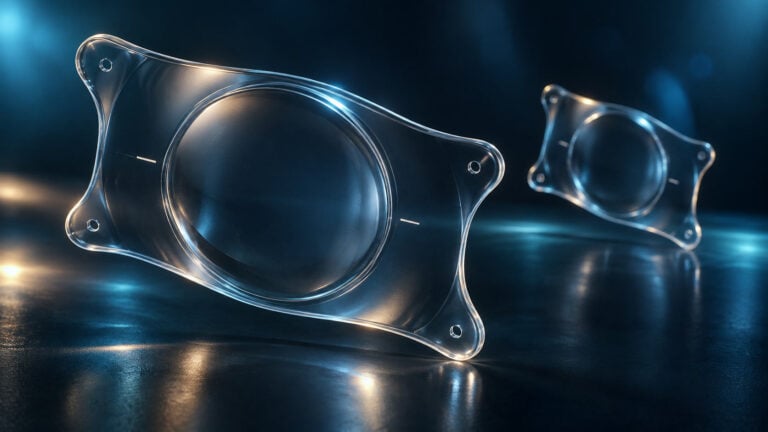
For patients with thinner corneas or higher prescriptions, ICLs provide a reversible option. The lens is placed inside the eye, working alongside the natural lens to restore clarity. Unlike glasses or contacts, ICLs are invisible and maintenance-free. - 3. Refractive Lens Exchange (RLE)
In patients over 50, especially those showing early signs of cataract, lens exchange surgery can replace the ageing natural lens with a premium intraocular lens. Options include multifocal or extended depth-of-focus lenses that correct both presbyopia and astigmatism simultaneously. - 4. Cataract Surgery with Toric or Multifocal IOLs
For patients in their 60s or older, cataract surgery provides the opportunity to correct presbyopia permanently. By implanting a toric or multifocal IOL, surgeons can address both the clouded natural lens and the focusing problems caused by presbyopia in one procedure.
A Surgeon’s Perspective
The choice of treatment depends on more than age alone. During a EuroEyes consultation, advanced diagnostics map the cornea, lens, and retina in detail. Our surgeons then explain why one solution may be safer, more stable, or more effective than another.
- Younger patients may benefit most from laser treatments.
- Middle-aged patients often weigh Presbyond against ICLs, depending on lifestyle.
- Older adults moving into cataract age may gain freedom with lens exchange or multifocal IOLs.
Every recommendation is guided by one principle: finding the option that restores long-term clarity while protecting the overall health of the eye.
A EuroEyes Perspective
The symptoms of presbyopia begin subtly, a little blur, a little strain but they evolve into a defining feature of midlife and beyond. While short-term solutions like reading glasses can help, the long-term answer lies in advanced treatments that tackle the root of the problem.
At EuroEyes, we see presbyopia as part of the human story, a natural stage of aging, but not one you need to accept as limiting. With modern innovations like Presbyond, ICLs, and advanced intraocular lenses, it’s possible to move past the symptoms and enjoy seamless, glasses-free vision again.
Presbyopia may be universal, but so is the opportunity to overcome it.
FAQs: Symptoms of Presbyopia
1. What are the first signs of presbyopia?
The earliest signs usually appear in your 40s and include difficulty reading small print, needing brighter light, and holding objects further away to see them clearly.
2. Do presbyopia symptoms get worse with age?
Yes. Presbyopia naturally progresses as the lens inside the eye loses flexibility. Symptoms like blurry near vision, headaches, and eye strain become more noticeable in your 50s and 60s.
3. How can I tell if I need glasses or if it’s presbyopia?
Presbyopia specifically affects near vision with age, while other conditions like myopia or astigmatism can blur vision at different distances. An eye examination is the best way to confirm the cause.
4. Can presbyopia cause headaches or eye strain?
Yes. Straining to focus up close is a common trigger for tension headaches and fatigue, especially when reading or using screens for long periods.
5. Is there a permanent solution for presbyopia symptoms?
Glasses and contact lenses provide temporary relief, but modern treatments such as Presbyond laser surgery, implantable lenses, or refractive lens exchange can correct presbyopia long term.