Your deserve the best for your eyes!
When researching laser eye surgery in London, many patients are surprised by the difference in pricing. One clinic may advertise treatment from £600 per eye, while another quotes £1,200, £2,000 or even more for what appears to be the same procedure.
So why the difference?
The reality is that laser eye surgery is not a standardised product. While two clinics may use similar treatment names, the technology, surgeon experience, diagnostic process, patient selection criteria and aftercare can vary considerably. In many cases, the price reflects far more than the few minutes spent under the laser.
Just as there is a difference between economy travel and first-class travel, there can also be significant differences between vision correction providers. The goal should never be to find the cheapest treatment possible, but to understand exactly what is included and how those differences may affect your experience and long-term visual outcome. The comparison below highlights some of the factors that commonly separate budget providers, mid-range clinics and premium specialist centres.
London Price Comparison For Laser Eye Surgery
Advanced Diagnostic Testing
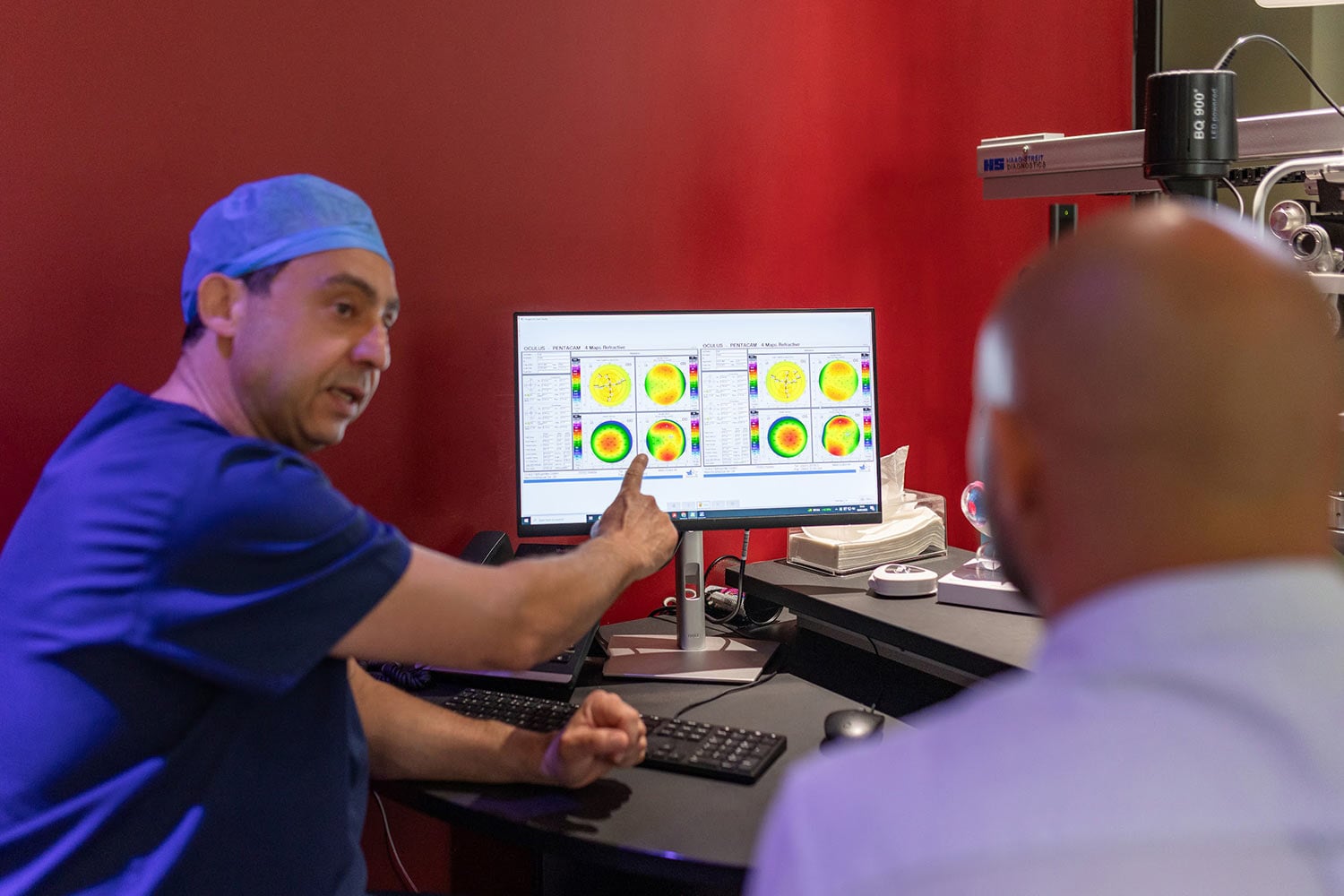
One of the biggest differences between laser eye surgery providers is what happens before you even meet the laser. In some clinics, a consultation may take less than an hour. In others, including many premium London clinics, patients undergo an extensive series of diagnostic scans and measurements designed to build a complete picture of their eye health.
Take a 42-year-old solicitor working in the City of London. They may spend ten hours a day moving between computer screens, client meetings and driving home after dark. Two patients can have exactly the same glasses prescription, yet require completely different treatment plans based on corneal shape, tear film quality, pupil size and the early signs of age-related lens changes.
Advanced diagnostics can identify subtle factors that may influence visual outcomes years after surgery. Detailed mapping of the cornea, wavefront analysis and ocular health assessments help surgeons determine not only whether laser eye surgery is suitable, but which procedure is likely to provide the best long-term result. This level of personalisation requires additional time, expertise and technology, but it can make a significant difference to the patient experience.
Surgeon Experience Matters
When comparing prices, many patients understandably focus on the treatment itself. However, the person performing the procedure can be just as important as the laser being used.
Consider a 35-year-old airline pilot or a 28-year-old investment banker living in central London. Both may have demanding visual requirements that go far beyond simply reading an eye chart. They need exceptional clarity, reliable night driving vision and predictable outcomes that support their careers and lifestyles. Highly experienced refractive surgeons often perform thousands of vision correction procedures throughout their careers, encountering a wide variety of eye conditions, prescriptions and anatomical differences. This experience becomes particularly valuable when dealing with more challenging cases, such as higher prescriptions, thinner corneas or patients whose visual expectations are exceptionally high.
Many premium clinics invest heavily in surgeon training, ongoing education and clinical research. While this contributes to treatment costs, it also ensures patients benefit from years of accumulated expertise and continuous refinement of surgical techniques.
The Technology Behind The Treatment
Not all laser eye surgery technology is created equal. While many clinics may advertise LASIK or laser eye surgery, the sophistication of the diagnostic equipment and laser platforms being used can vary significantly.
For example, a 30-year-old software engineer from Canary Wharf may spend most of their day working across multiple monitors before commuting home and using digital devices in the evening. Small improvements in treatment precision can have a meaningful impact on contrast sensitivity, visual comfort and performance in low-light conditions.
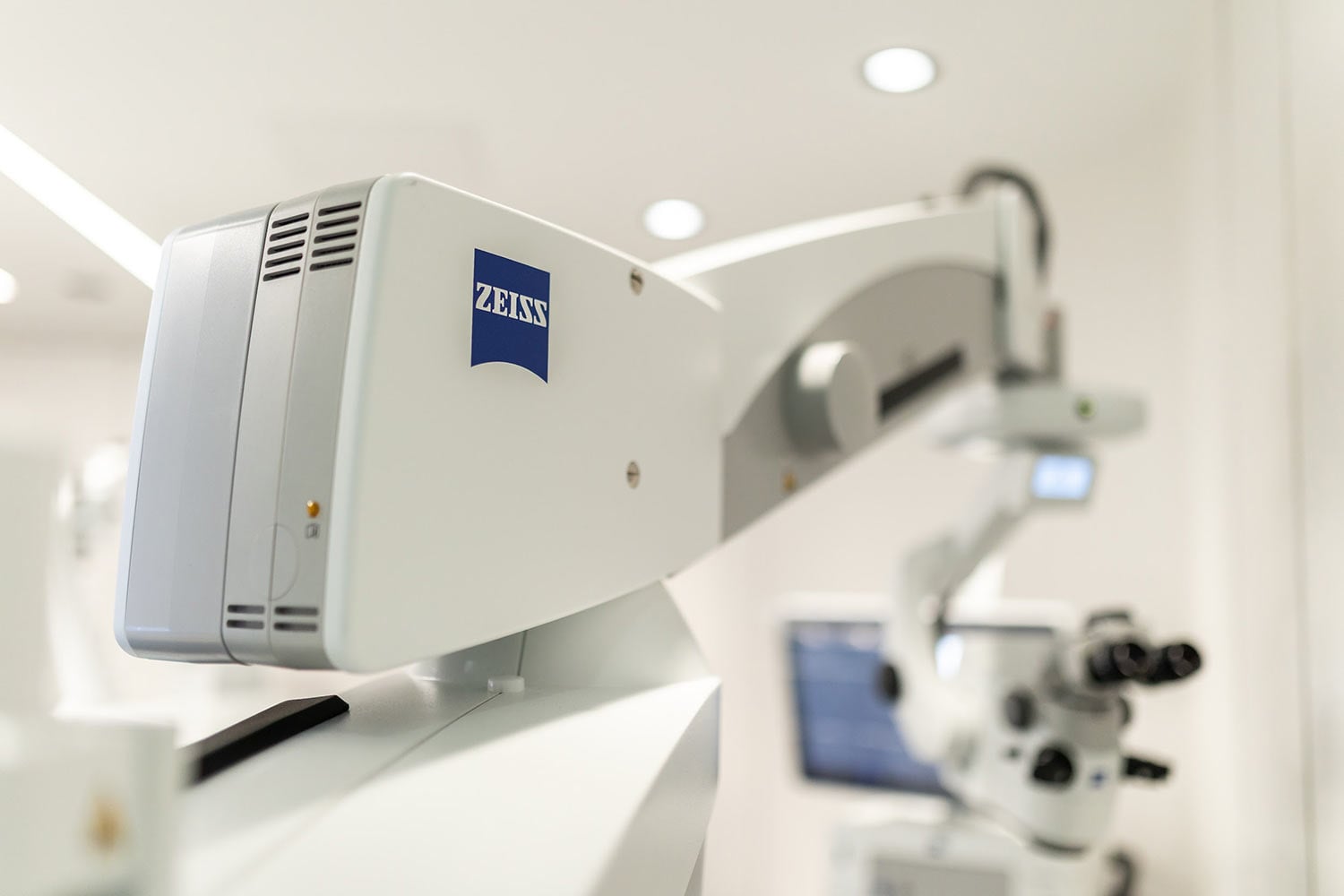
Modern platforms such as advanced ZEISS technology allow surgeons to gather vast amounts of information about each eye and create highly personalised treatment profiles. Faster laser systems, more accurate eye-tracking technology and sophisticated planning software can all contribute to a more refined treatment experience. Premium clinics often invest millions of pounds in maintaining and upgrading this technology. While patients may never see the equipment behind the scenes, these investments help support the precision, safety and consistency that many people seek when making a life-changing decision about their eyesight.
What Happens After Surgery?
Laser eye surgery may only take a matter of minutes, but the patient journey continues long after leaving the treatment room. This is another area where significant differences between providers can emerge.
A 47-year-old executive from Kensington may have surgery on Friday and return to work the following week. During that time, questions naturally arise. Is the healing process progressing normally? Is mild dryness expected? When is it safe to exercise, drive or return to long hours in front of a screen? Comprehensive aftercare provides reassurance throughout this recovery period. Follow-up appointments allow clinicians to monitor healing, measure visual outcomes and address any concerns before they become problems. Some providers include an extensive aftercare programme spanning months or even years, while others offer a more limited package.
When comparing prices, it is worth understanding exactly what support is included after treatment. For many patients, knowing that an experienced clinical team remains available throughout their recovery becomes one of the most valuable aspects of the entire experience.
Looking Beyond The Price Tag
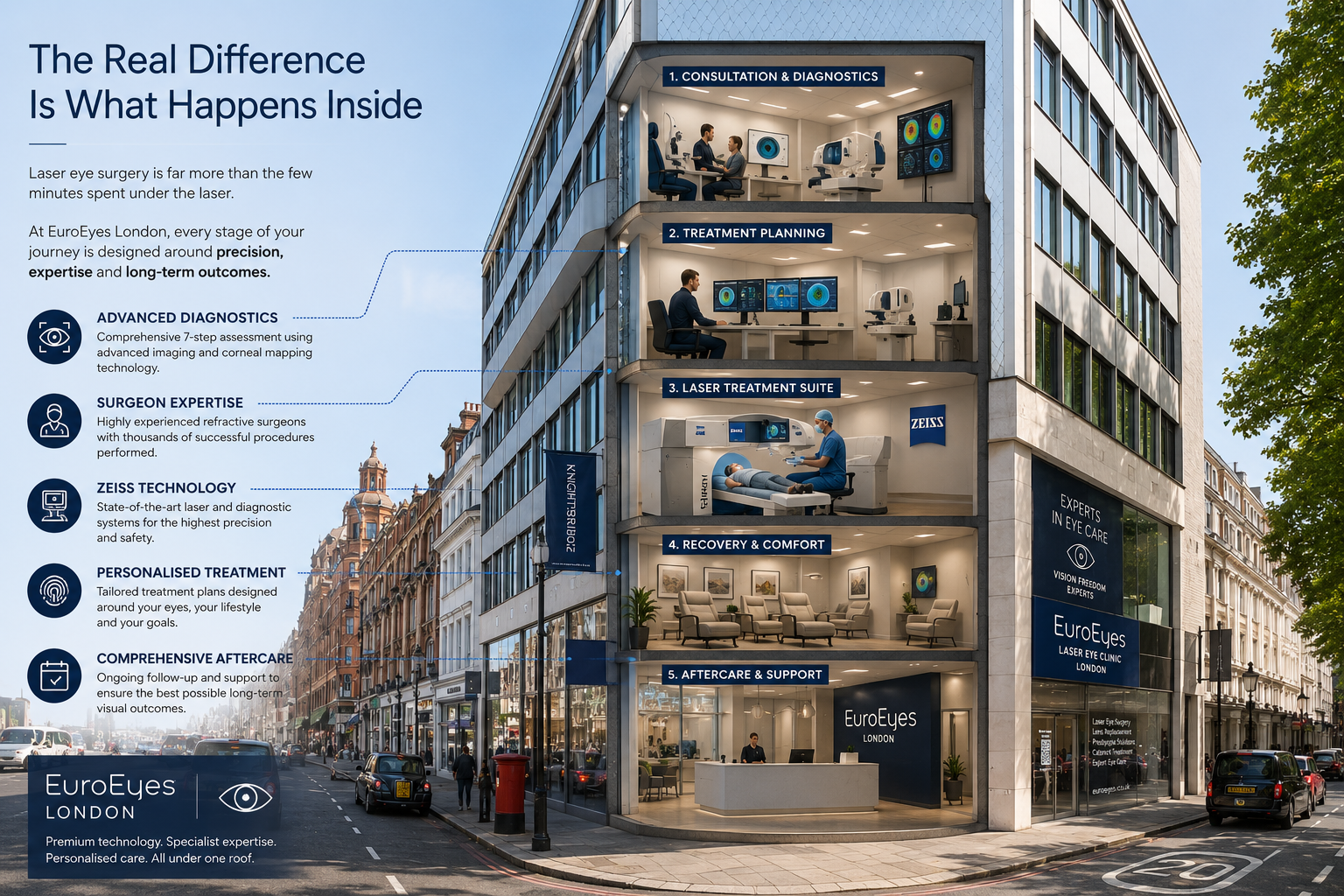
Laser eye surgery is ultimately an investment in your vision. While price will always be a consideration, many patients find that factors such as surgeon experience, advanced technology, detailed diagnostics and comprehensive aftercare provide value that extends far beyond the treatment day itself.
The best clinic is not necessarily the cheapest or the most expensive. It is the one that offers the right combination of expertise, technology and patient care for your individual eyes.