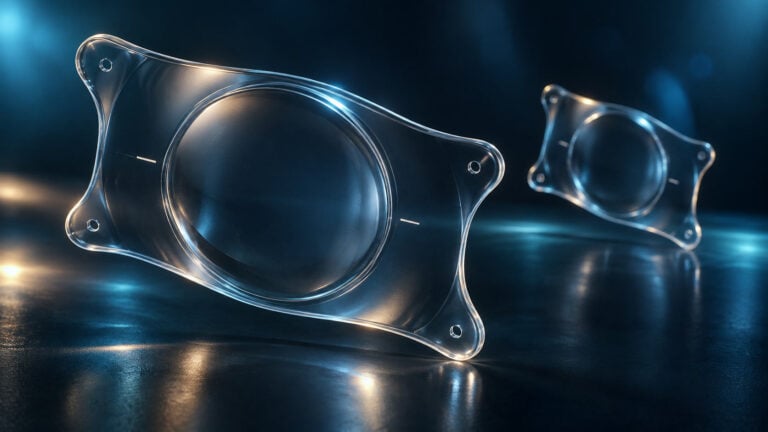
Cataract surgery is one of the safest and most effective operations we perform at EuroEyes London. For most patients, vision improves within days, and life quickly feels brighter again. But surgery is only half of the story, the way you look after your eyes and your body in the weeks that follow is just as important.
One of the questions I often hear in the clinic is: “What food should I not eat after cataract surgery?” It’s a sensible concern. The truth is that diet doesn’t heal the eye on its own, but the right foods can support recovery while the wrong ones can make things harder.
Here are the foods to avoid if you want a smooth recovery and clear vision as quickly as possible.
Foods to Avoid After Cataract Surgery – and Why!
1. Sugary and processed foods
Refined sugar (cakes, biscuits, sweets, fizzy drinks) causes sharp spikes in blood glucose. Studies in the Journal of Clinical Endocrinology & Metabolism show that high blood sugar can impair white blood cell function, which is essential for fighting infection during wound healing. Elevated glucose also promotes systemic inflammation by increasing cytokine levels, which can prolong redness and swelling in the eye.
Impact on recovery: Patients with consistently high sugar intake may experience slower wound closure by 3–5 days compared with those on balanced diets. Long-term, excess sugar is linked to delayed tissue regeneration and poorer immune response.
2. Deep-fried and fatty foods
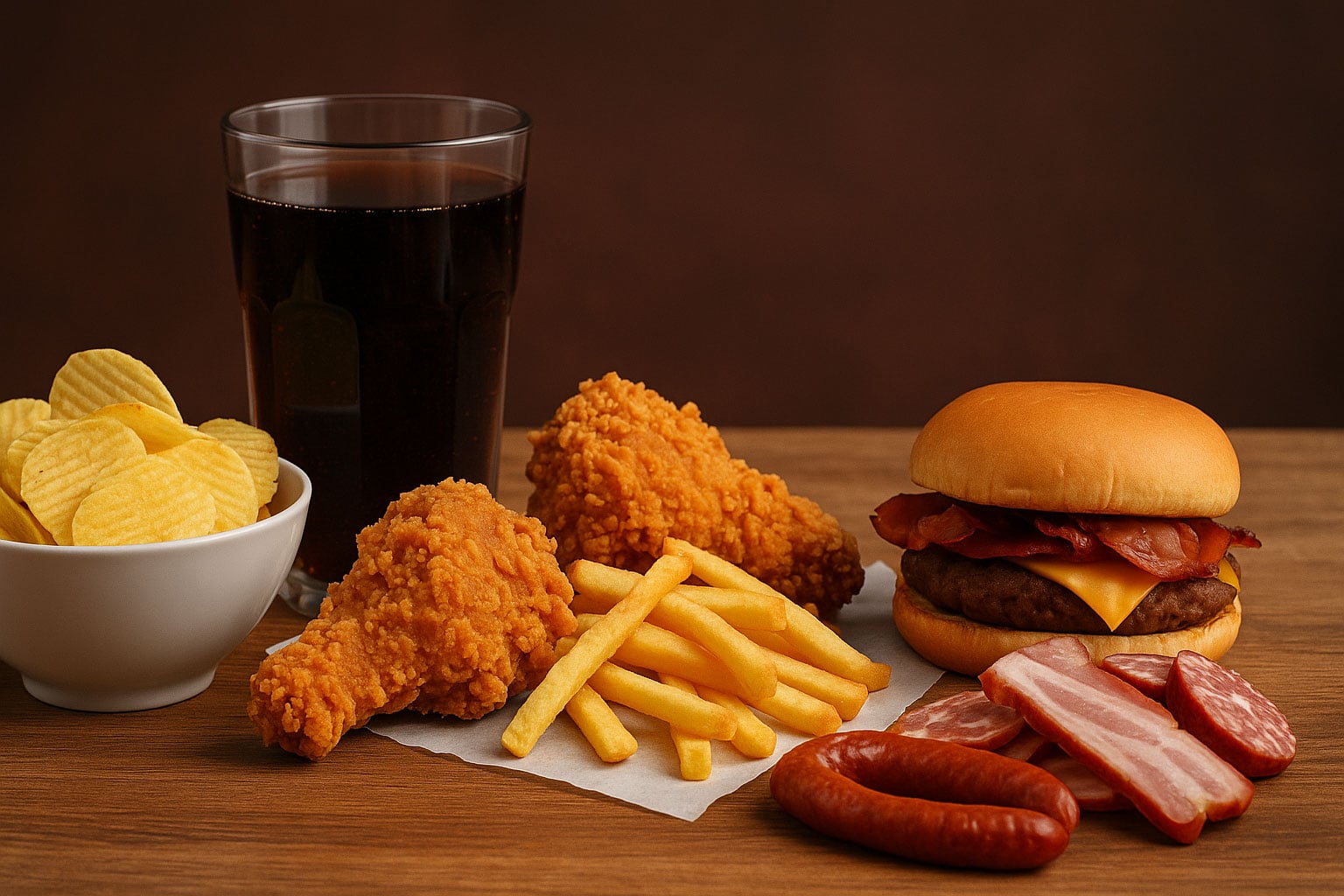
Fried chicken, chips, fast-food burgers, and similar meals are loaded with trans fats and advanced glycation end products (AGEs). Research in the American Journal of Clinical Nutrition confirms that these compounds increase oxidative stress, raising free radical levels that damage delicate tissues, including those in the eye. Oxidative stress is a known risk factor for delayed post-operative recovery and ocular complications.
Impact on recovery: A diet rich in fried and fatty foods can extend post-surgery inflammation by up to 1–2 weeks, making the eye feel irritated and slowing visual clarity compared to patients eating antioxidant-rich foods (fish, nuts, olive oil, vegetables).
3. Excessive salt
High sodium intake causes fluid retention and can elevate blood pressure. Research from the British Medical Journal (BMJ) indicates that hypertension is associated with slower capillary healing and microvascular damage, both important factors in eye surgery recovery. After cataract surgery, swelling around the cornea can be prolonged if salt intake remains high.
Impact on recovery: Patients consuming a high-salt diet may notice prolonged eye swelling (oedema) lasting an extra week or more compared with those on balanced diets.
4. Alcohol
Alcohol disrupts the immune system, impairs protein synthesis (needed for tissue repair), and dehydrates the body. A review in Alcohol Research: Current Reviews highlights that alcohol consumption delays collagen production, the protein responsible for wound strength. It can also interfere with antibiotic or steroid eye drops, reducing their effectiveness.
Impact on recovery: Even moderate drinking in the first 7–10 days can increase the risk of infection and extend overall healing by up to two weeks. Patients who avoid alcohol altogether typically recover faster and more comfortably.
5. Highly processed meats
Sausages, bacon, and other processed meats are high in saturated fats, preservatives, and nitrates. Research from the World Health Organization (WHO) associates high processed meat consumption with chronic inflammation. In a surgical context, this can delay the reduction of post-operative swelling and increase oxidative stress in ocular tissue.
Impact on recovery: Patients who eat processed meats daily may see prolonged inflammation for 1–2 weeks longer than those who stick to lean protein sources (chicken, fish, eggs).
Food Type Comparison
| Food Type | Why It Delays Recovery | Possible Prolonged Recovery Time |
|---|---|---|
| Sugary & Processed Foods (cakes, biscuits, fizzy drinks) | Spikes blood sugar, increases inflammation, weakens immune response (Journal of Clinical Endocrinology & Metabolism) | 3–5 days slower wound closure |
| Deep-Fried & Fatty Foods (fried chicken, chips, burgers) | High in trans fats & AGEs, raises oxidative stress, prolongs inflammation (Am J Clin Nutr) | 1–2 weeks longer irritation & blurred vision |
| Excessive Salt (salty snacks, processed meals) | Causes fluid retention, raises blood pressure, prolongs corneal swelling (BMJ) | Swelling/oedema can last 1+ week longer |
| Alcohol (wine, beer, spirits) | Weakens immunity, disrupts protein synthesis, interferes with medication effectiveness (Alcohol Research: Current Reviews) | Delays recovery by up to 2 weeks |
| Processed Meats (sausages, bacon, cured meats) | High in nitrates & preservatives, promotes chronic inflammation (WHO) | 1–2 weeks longer inflammation compared with lean protein diets |
What You Should Eat Instead
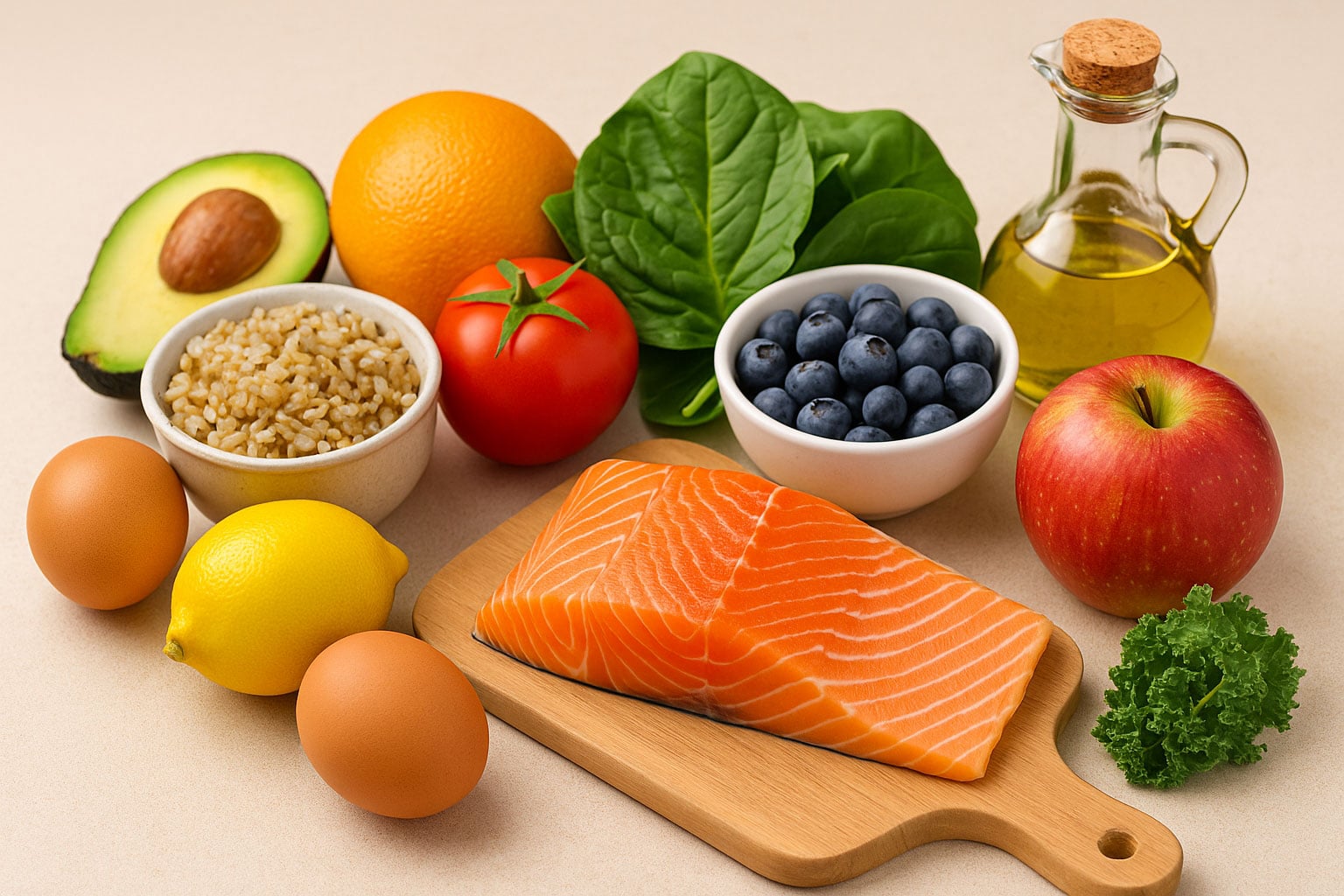
While avoiding certain foods is important, focusing on the right ones matters even more. Fresh fruits, leafy greens, oily fish, lean meats, eggs, and whole grains provide the vitamins, protein, and antioxidants your body needs to repair itself. Hydration is equally vital, plenty of water helps keep your eyes and tissues healthy.
| Healthy Food | Key Nutritional Value | Why It Helps Recovery |
|---|---|---|
| Oily Fish (salmon, mackerel, sardines) | Omega-3 (EPA/DHA), vitamin D, high-quality protein | Supports anti-inflammatory balance and tissue repair; protein aids wound healing. |
| Leafy Greens (spinach, kale, cavolo nero) | Lutein & zeaxanthin, vitamins C & K, folate | Antioxidants protect ocular tissues and support collagen formation. |
| Berries & Citrus (blueberries, oranges) | Vitamin C, polyphenols, fibre | Vitamin C supports wound healing and reduces oxidative stress. |
| Eggs | Complete protein, lutein & zeaxanthin, B12 | Provides building blocks for recovery and macular-friendly carotenoids. |
| Nuts & Seeds (almonds, walnuts, chia, flax) | Vitamin E, omega-3 (ALA), zinc, magnesium | Vitamin E helps protect cell membranes; minerals aid immune function. |
| Olive Oil (extra virgin) | Monounsaturated fats, polyphenols | Supports anti-inflammatory diet pattern and absorption of fat-soluble nutrients. |
| Whole Grains (oats, quinoa, brown rice) | B-vitamins, fibre, iron | Steady energy for recovery with micronutrients for tissue repair. |
| Legumes (lentils, chickpeas, beans) | Plant protein, iron, zinc, fibre | Protein supports healing; iron and zinc aid immune response. |
| Colourful Veg (peppers, carrots, tomatoes) | Beta-carotene (vitamin A), vitamin C, lycopene | Antioxidants support ocular surface health and collagen synthesis. |
| Yogurt & Kefir | Protein, calcium, probiotics | Protein for repair; probiotics may support immune balance. |
| Avocado | Monounsaturated fats, potassium, fibre | Healthy fats aid nutrient absorption and provide steady energy. |
| Water & Herbal Teas | Hydration, electrolytes (when infused) | Maintains tear film and supports overall tissue healing. |
FAQs About Food After Cataract Surgery
Patients often have practical questions about diet after surgery, and it’s natural to want reassurance while healing. The right advice can make recovery feel smoother and more comfortable. At EuroEyes London, we guide every patient through these concerns so they know what to expect and how to support their eyes with the best food choices.
Do I need to completely cut out sugar after cataract surgery?
No, but keeping sugar to a minimum is wise. Small amounts are fine, but avoiding daily cakes, sweets, or fizzy drinks helps reduce inflammation.
Can I drink coffee after cataract surgery?
Yes, in moderation. A cup or two of coffee won’t harm your recovery, but avoid overdoing caffeine as it can cause dehydration.
Is it safe to eat spicy food after cataract surgery?
Spicy foods won’t damage the eye directly, but they can sometimes make patients feel flushed or uncomfortable while healing. Mild dishes are usually better tolerated in the first couple of weeks.
When can I drink alcohol again after cataract surgery?
It’s safest to avoid alcohol for at least one to two weeks, or until your surgeon confirms you’re healing well. Alcohol can interfere with medication and slow recovery.
Does diet really make a difference to eye healing?
Yes! While diet alone won’t “heal” your eye, it plays a big role in how your body manages inflammation and tissue repair. A balanced diet helps the healing process stay on track.
Final Thoughts from a EuroEyes London Surgeon
Diet alone won’t decide how successful your cataract surgery is, but it can play a supporting role in your recovery. By avoiding heavy, sugary, and processed foods, and choosing fresh, balanced meals, you give your eyes the best chance to heal quickly and comfortably.
If you’re unsure about what’s safe to eat after your procedure, don’t hesitate to ask your surgeon. At EuroEyes London, we guide every patient through the recovery process so they feel confident every step of the way.