Is Laser Eye Surgery Safe?

Understand Laser Eye Surgery Risks, Safety Measures And Recovery.

استشارة مجانية

Your 30-minute consultation includes an eye assessment to determine if you’re suitable for refractive surgery.

★★★★★
4.9/5 Google Rating

Understanding The Safety And Risks About Laser Eye Surgery

The idea of having surgery on your eyes can naturally raise questions. Even patients who have spent years wearing glasses or contact lenses may hesitate when considering laser eye surgery. Some worry about pain, others about complications, and many simply want to understand what happens if their vision changes after treatment. These are reasonable concerns, and they deserve clear answers rather than promises of perfect vision. Modern laser eye surgery has an established record of effectiveness and patient satisfaction, but no surgical procedure is entirely without risk.

At EuroEyes London, the emphasis is on determining whether treatment is appropriate for each patient’s eyes, rather than assuming that everyone who wants laser vision correction should undergo surgery.

How Safe Is Laser Eye Surgery in the UK?

Laser eye surgery has been performed for decades, with advances in laser technology, diagnostic imaging and surgical techniques improving the precision with which treatment can be planned and delivered. In the UK, laser eye surgery is subject to professional and clinical standards, including guidance from the General Medical Council and the Royal College of Ophthalmologists. These standards place particular importance on patient selection, informed consent, surgeon competence and appropriate postoperative care.

For suitable patients, procedures such as LASIK, SMILE Pro and surface laser treatments can provide substantial improvements in unaided vision. However, safety is not determined by the laser alone. It depends on the condition of the eye before treatment, the type and amount of correction required, the technique selected and how the eye responds during healing. A successful outcome is not simply achieving excellent vision on an eye chart. It also means protecting the health of the cornea, maintaining good visual quality and recognising when surgery may not be the best option.

Clinical Evidence and Research

Laser Eye Surgery: Two Decades of Evidence

Published research and clinical outcomes provide valuable insights into patient satisfaction, visual improvement and surgical safety.

LASIK Patient Satisfaction
International literature review, published 2009
95.4%

A review covering 2,198 patients across 19 studies reported high satisfaction following LASIK surgery. The procedures included in the review took place between 1995 and 2003.

Achieving 20/20 Vision or Better
London Vision Clinic published outcomes
96%

London Vision Clinic reports that 96% of its laser eye surgery patients achieve 20/20 (6/6) vision or better. Individual outcomes depend on prescription, eye health and treatment suitability.

Historical London Vision Clinic safety data
0.02%
Specific Visual Complication Outcome

London Vision Clinic reported 5 eyes out of 25,500 with complications that could not be corrected to within two lines of their original best spectacle-corrected vision.

This historical figure describes a specific visual outcome, not the frequency of all complications or side effects.

Research Sources and References

1. Solomon et al. (2009). LASIK World Literature Review: Quality of Life and Patient Satisfaction .

2. London Vision Clinic. Results and Clinical Statistics .

3. London Vision Clinic. Laser Eye Treatment and Safety Statistics .

4. FDA LASIK Quality of Life Collaboration. Patient-Reported Outcomes Research .

5. Royal College of Ophthalmologists. Professional Standards for Refractive Surgery .

Evidence note: Figures originate from different studies, periods and patient populations. They represent different clinical outcomes and should not be interpreted as a continuous 20-year trend or as a guarantee of individual results.

How Safe Is Laser Eye Surgery?

How quickly can you recover after laser eye surgery and get back to enjoying everyday life with clearer, more comfortable vision?

Does Laser Eye Surgery Hurt During Or After?

What does laser eye surgery feel like, and how is discomfort managed during treatment and throughout the recovery process?

What Is The Full Proccess For Laser Eye Surgery?

What happens before, during and after laser eye surgery, and how does each stage help you achieve clearer vision with confidence?
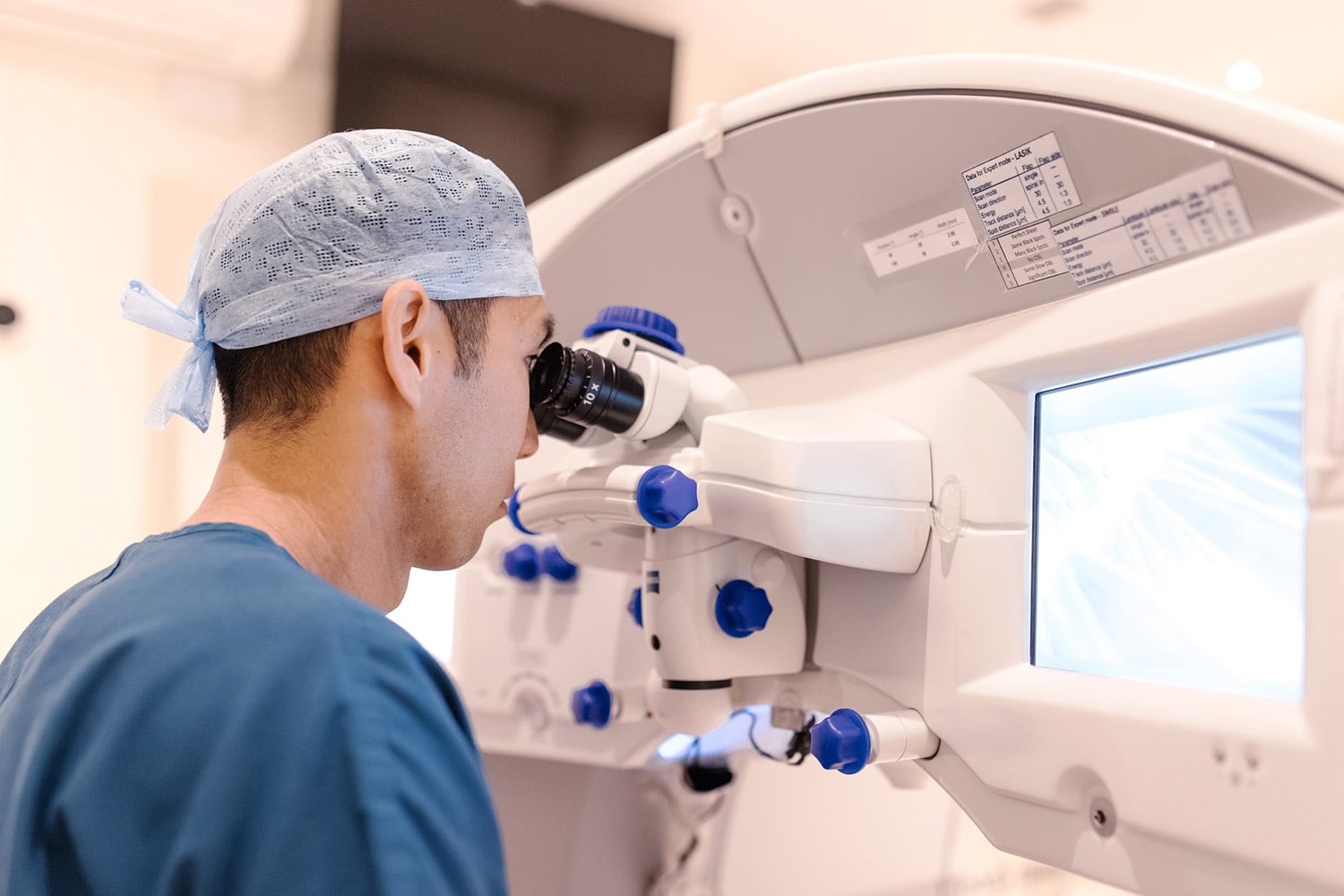
top-cataract-surgeon-london
Potential Risk What Patients Should Know
Dry Eyes & Temporary Irritation Dryness is one of the more common side effects following laser eye surgery. Temporary changes to the corneal nerves can affect tear production, causing irritation, fluctuating vision or a gritty sensation. Symptoms often improve as the eye heals, although some patients may require longer-term treatment for persistent dryness.
Glare, Halos & Night Vision Some patients experience halos around lights, glare or reduced contrast sensitivity, particularly when driving at night. These symptoms may improve as vision stabilises, but can occasionally persist. Prescription strength, corneal shape and individual healing responses can influence the risk.
Under-Correction, Over-Correction & Regression Occasionally, a small prescription remains after treatment, or the eye responds differently than expected. Some patients may continue to need glasses for certain activities, while others may be suitable for an enhancement procedure. Eyesight can also change naturally over time, particularly with age.
Infection, Inflammation & Corneal Complications Less common but potentially serious complications include infection, significant inflammation, LASIK flap problems, corneal haze and, rarely, corneal ectasia (progressive weakening of the cornea). Permanent loss of best-corrected vision is possible but uncommon. Thorough screening, careful surgical planning and appropriate aftercare are essential to reducing these risks.

Important: Individual risks depend on your eye health, prescription, treatment type and healing response. Your surgeon will explain the potential complications relevant to your eyes during your suitability assessment.

Common Misconceptions About Laser Eye Surgery

Laser eye surgery is surrounded by myths that can make treatment seem more daunting than it really is. Understanding the facts can help you make a confident, informed decision about your vision.

MYTH 01

You Can Go Blind During Laser Eye Surgery

Severe sight-threatening complications are rare, but no surgical procedure is completely risk-free. Modern laser systems incorporate safety features, while detailed preoperative examinations help identify patients who may be at greater risk of complications.

The reality: The important question is your individual level of risk and how your surgeon plans to minimise it.
MYTH 02

Moving or Blinking Will Ruin the Procedure

Many patients worry that an unexpected blink or small eye movement could affect their treatment. During surgery, an eyelid instrument prevents blinking, while eye-tracking technology or stabilising interfaces help maintain accurate positioning, depending on the procedure. Modern laser systems also incorporate mechanisms to interrupt treatment when necessary.

The reality: You don't need to keep your eyes perfectly still. Your surgeon will guide you throughout the procedure.
MYTH 03

Laser Eye Surgery Is Only Suitable for Young People

Age alone does not determine whether someone can have laser eye surgery. Prescription stability, corneal health, tear-film quality and existing eye conditions are often more important considerations. Patients in their forties, fifties and beyond may still be suitable, although age-related changes such as presbyopia can influence the recommended treatment.

The reality: Suitability depends on the health and characteristics of your eyes, not simply your age.
MYTH 04

Laser Eye Surgery Permanently Stops Your Eyes from Changing

Laser eye surgery corrects an existing prescription by reshaping the cornea, but it cannot prevent every future change in eyesight. Presbyopia can affect near vision as we age, while cataracts may develop later in life. Some patients may also experience refractive regression, where part of the original prescription gradually returns.

The reality: Laser eye surgery can provide long-lasting correction, but your eyes will continue to age naturally.
MYTH 05

Everyone Gets 20/20 Vision After Surgery

Many patients achieve excellent unaided vision after laser eye surgery, but results vary according to prescription, corneal characteristics, eye health and healing response. Some people may achieve a substantial improvement without reaching exactly 20/20 vision, while others may still need glasses for certain activities.

The reality: Your surgeon should explain the realistic visual outcome expected for your individual eyes.

What Happens If Something Goes Wrong After Laser Eye Surgery?
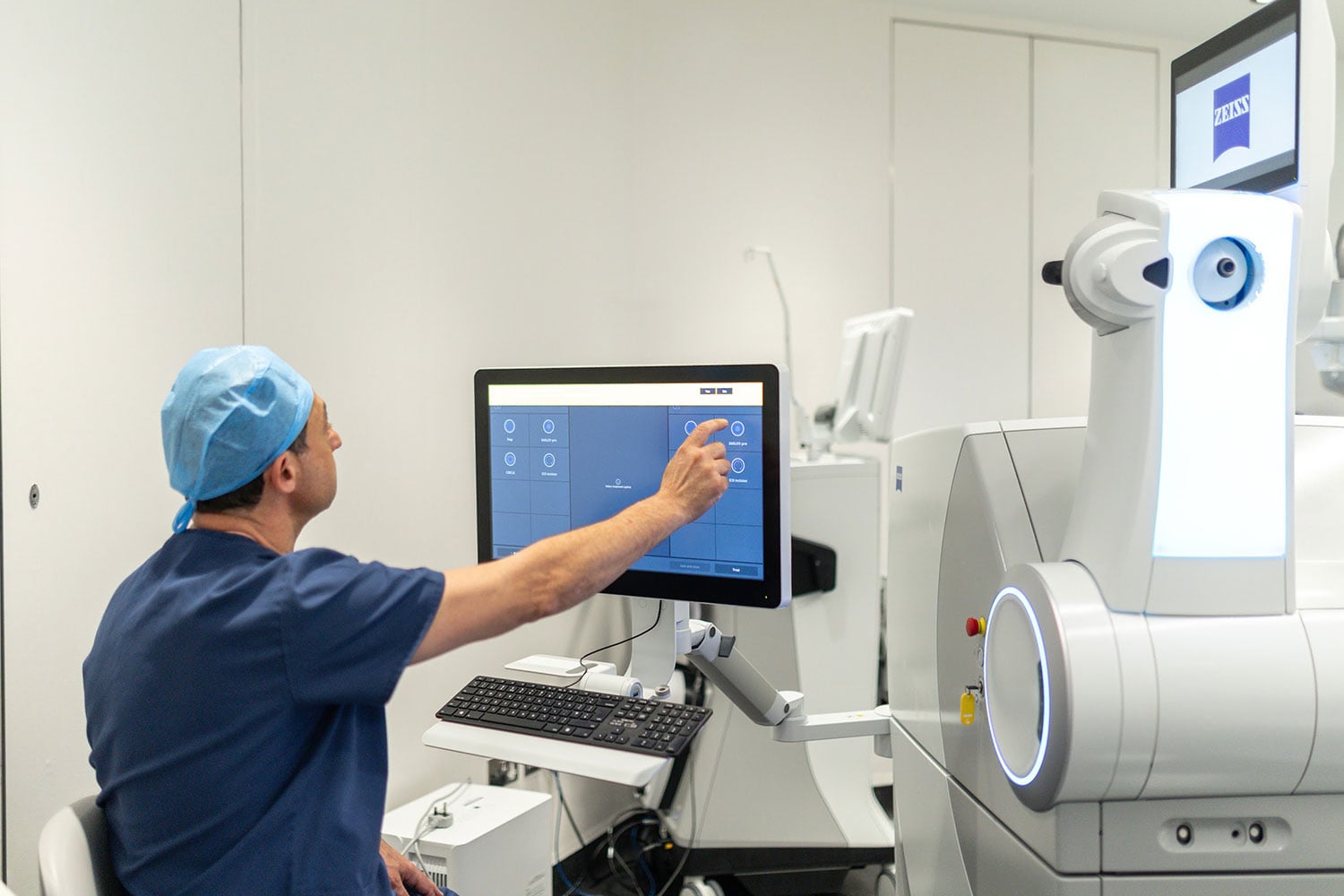
Knowing how complications are managed is just as important as understanding how surgery is performed.

Many postoperative concerns, including temporary dryness, irritation and fluctuations in vision, can be managed with prescribed medication, lubricating drops and monitoring. Other problems may require additional examinations, a change in treatment or, occasionally, further surgery. Symptoms such as increasing pain, a sudden deterioration in vision or significant redness after surgery should be reported promptly to the treating clinic rather than waiting for the next scheduled appointment.

A structured aftercare programme allows the clinical team to monitor healing, assess visual outcomes and respond to problems when they arise. Patients should understand the arrangements for routine and urgent postoperative care before proceeding with treatment.

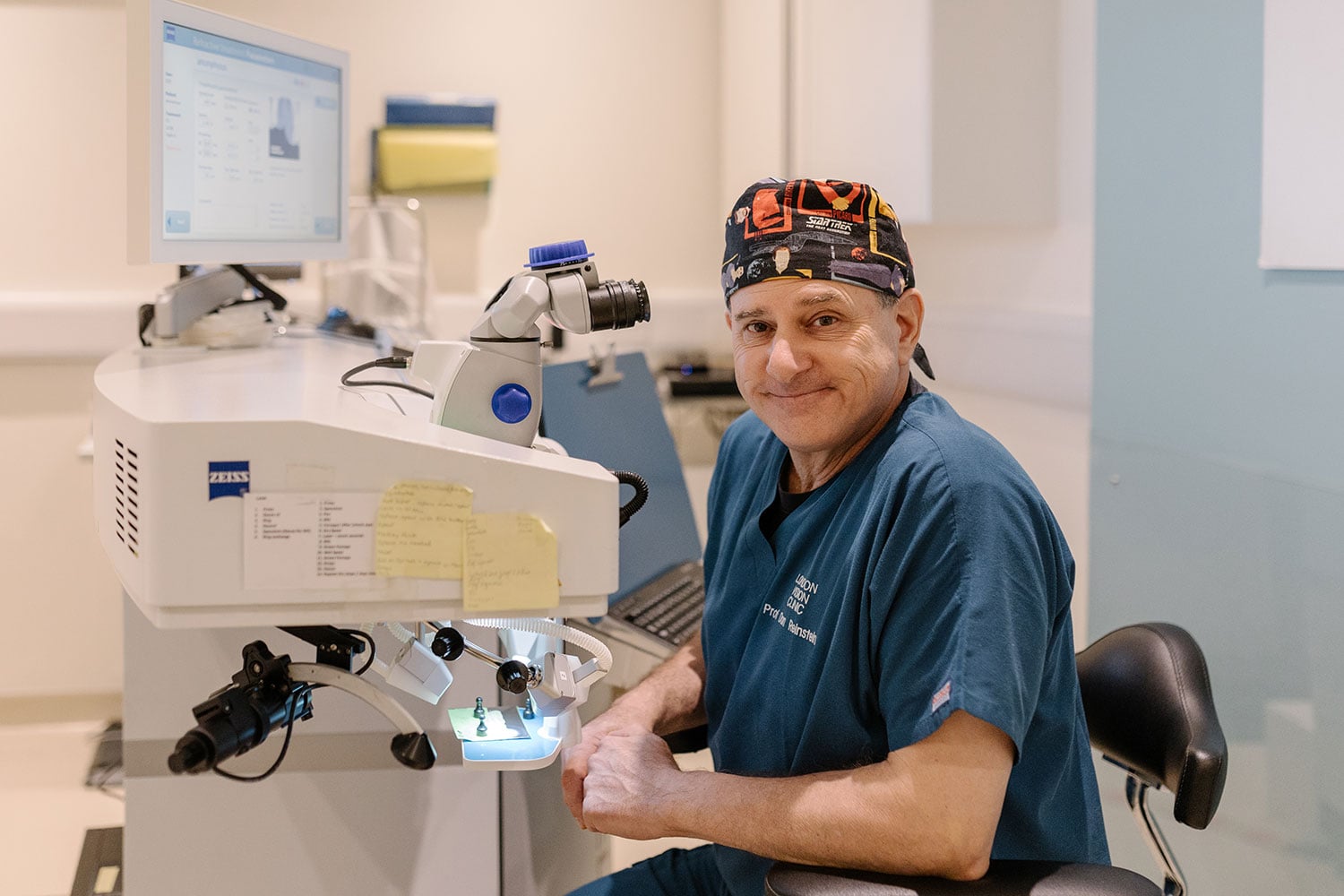
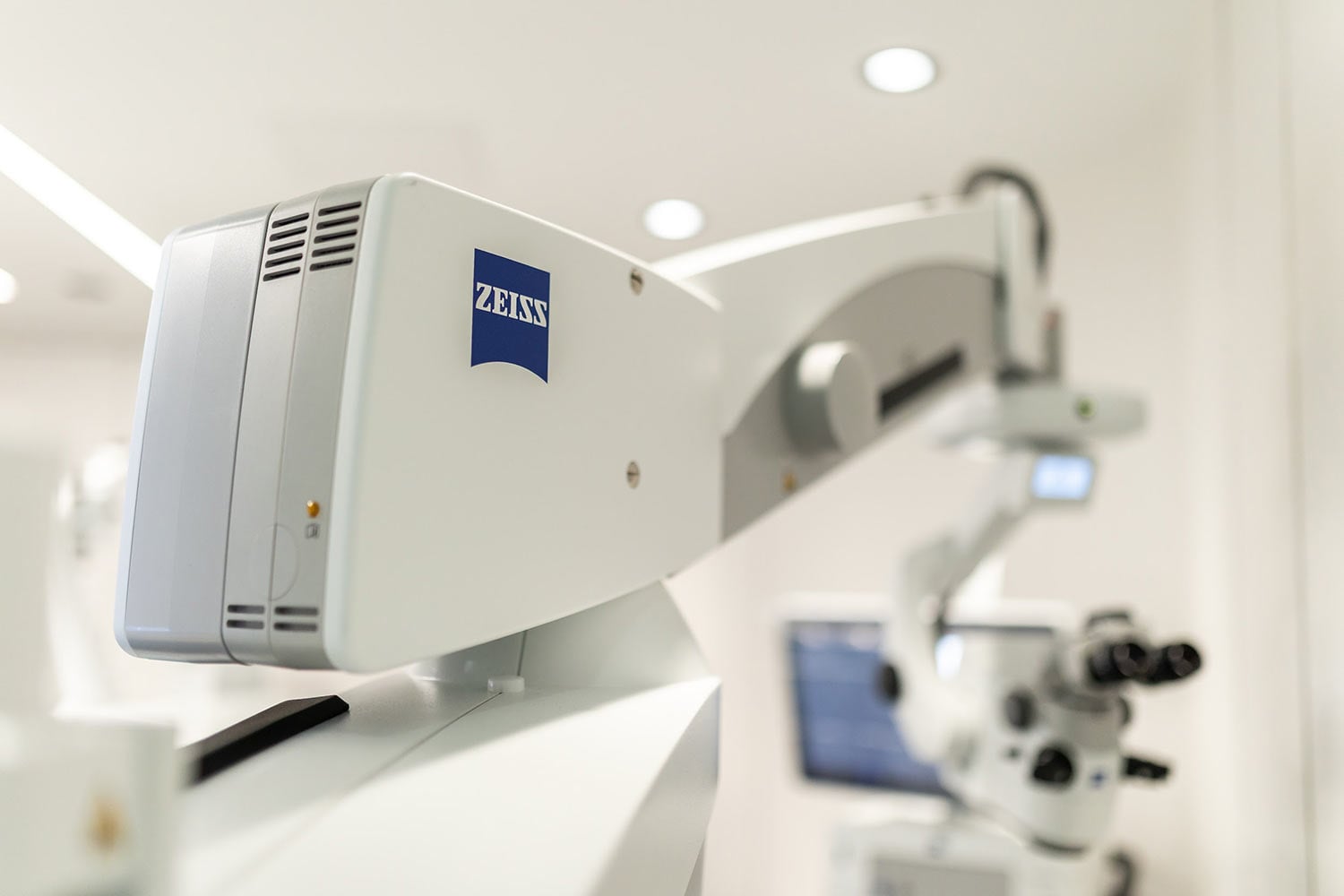
zeiss-technology-being-used

Does the Type of Laser Eye Surgery Affect Safety and Recovery?

LASIK, SMILE Pro and surface laser procedures all aim to improve how light focuses on the retina, but each uses a different technique. Understanding these differences can help patients appreciate why recovery times, comfort and potential risks vary between treatments.
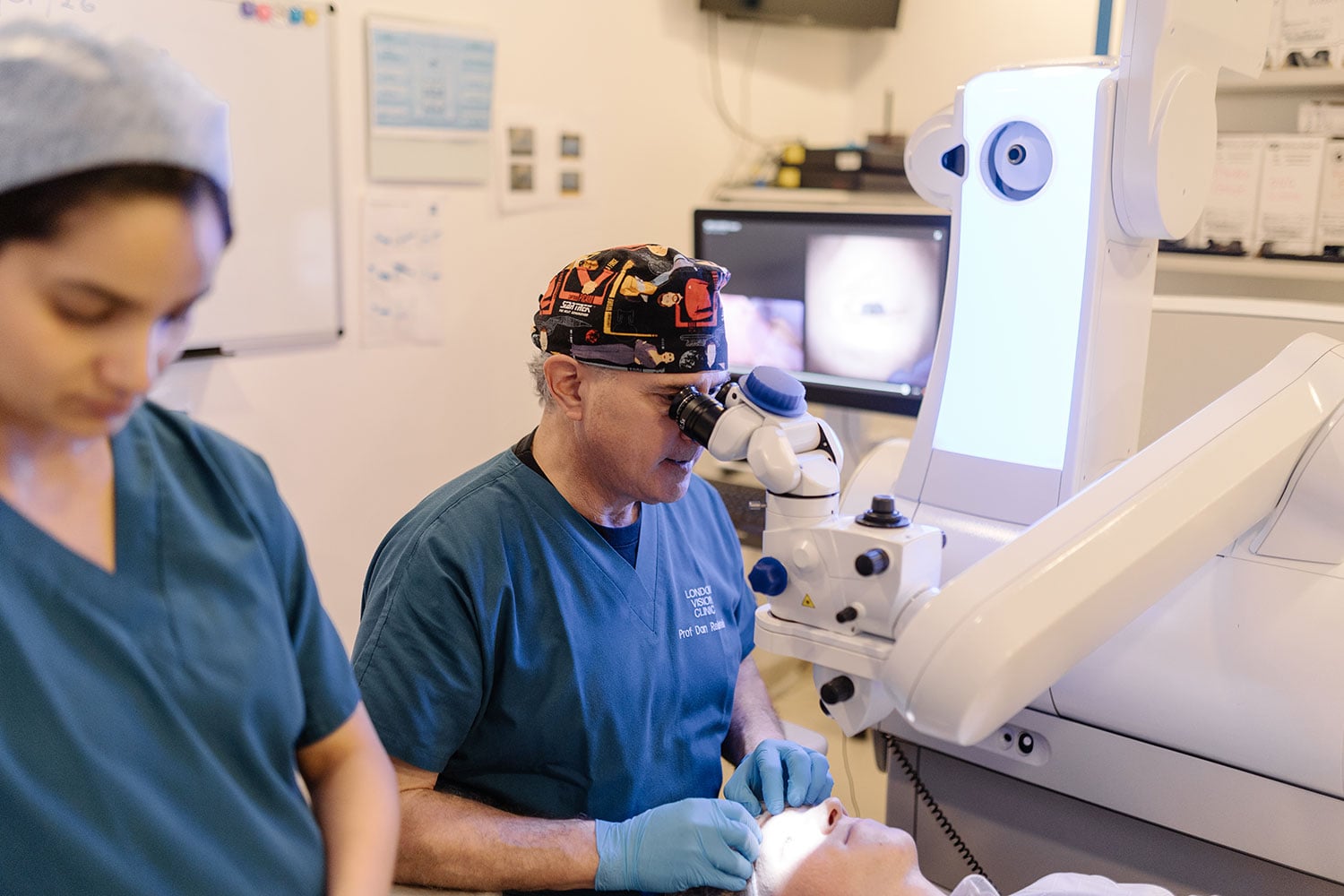
LASIK laser eye surgery treatment
LASIK Treatment Image
Replace with your WordPress image URL
LASER VISION CORRECTION

LASIK Laser Eye Surgery

LASIK involves creating a thin flap in the cornea before an excimer laser reshapes the underlying tissue to correct vision. The flap is then carefully repositioned, allowing the surface to begin healing naturally.

Visual recovery is often relatively rapid, with many patients noticing significant improvements within the first day or two. However, temporary dryness and flap-related complications are important considerations during the suitability assessment.
Recovery & Safety: Often rapid visual recovery, although dry eye symptoms and flap-related risks require consideration.
SMILE Pro laser eye surgery treatment
SMILE Pro Treatment Image
Replace with your WordPress image URL
SMALL INCISION LASER SURGERY

جراحة العيون بالليزر SMILE Pro بالليزر

SMILE Pro uses a femtosecond laser to create a small piece of tissue, known as a lenticule, within the cornea. The surgeon removes this tissue through a small incision, changing the cornea's focusing power without creating a LASIK-style flap.

Many patients experience relatively quick visual recovery. The flap-free approach avoids LASIK flap complications, although temporary visual fluctuations, dryness and other procedure-specific risks remain possible.
Recovery & Safety: Small-incision, flap-free treatment with generally quick recovery. Suitability depends on prescription and corneal characteristics.
PRK and LASEK surface laser eye surgery
PRK / LASEK Treatment Image
Replace with your WordPress image URL
SURFACE LASER TREATMENT

PRK & LASEK Laser Eye Surgery

PRK and LASEK reshape the cornea after preparing its outer epithelial layer. Unlike LASIK, these surface treatments do not require a corneal flap and may be considered for certain patients whose eye characteristics make other techniques less suitable.

The outer corneal layer needs time to regenerate, so initial recovery is generally slower and discomfort can be more noticeable during the first few days. Vision typically continues to improve as the eye heals.

Recovery & Safety: No corneal flap, but a longer initial healing period and potentially greater short-term discomfort.

Which procedure is safest? No single laser eye surgery technique is automatically the safest or most effective for everyone. The most appropriate treatment depends on your prescription, corneal health, diagnostic measurements and individual recovery considerations.

الأسئلة الشائعة

Laser eye surgery and contact lens wear involve different types of risk. Contact lenses carry an ongoing risk of infection and other complications, particularly when hygiene or wearing instructions are not followed. Laser surgery involves an immediate surgical risk and the possibility of postoperative side effects. Comparing the two depends on the patient’s circumstances and how contact lenses are used.

Permanent visual complications are possible but uncommon. These can arise from conditions such as infection, corneal ectasia or other significant postoperative problems. Thorough screening and appropriate follow-up reduce risk but cannot eliminate it entirely.

Recovery depends on the procedure and the individual. Many LASIK patients notice substantial improvement within the first day or two, while SMILE Pro recovery may also be relatively quick. PRK and LASEK generally require longer initial healing, and visual quality can continue to stabilise over subsequent weeks or months.

Some patients with high prescriptions may be suitable for laser eye surgery, but the amount of correction required can influence the treatment’s safety and predictability. Corneal thickness, shape and other measurements are particularly important. Where laser treatment is unsuitable, implantable lens options may be considered.

Dry eye does not automatically rule out surgery, but it requires careful assessment. Existing dryness may need treatment before surgery, and significant dry eye can make certain procedures less suitable. Your surgeon should explain how the condition may affect both recovery and long-term comfort.

Choosing laser eye surgery should never feel like a rushed decision. A consultation should give you an opportunity to understand the treatment being recommended, the expected visual outcome, the alternatives available and the complications that could affect your particular eyes. It should also explain what recovery involves, whether glasses might still be needed and what support is available after surgery.

Patients should feel comfortable asking about their surgeon’s experience, the technology being used and the reasons one procedure may be recommended over another.

At EuroEyes London, the objective is to combine detailed diagnostics, experienced surgical assessment and individual treatment planning to help patients make informed decisions about vision correction.

احجز استشارة داخل العيادة

استشارة طبية لمدة 30 دقيقة في عيادة نايتسبريدج


تتوفر خيارات تمويل بنسبة 0%

الرعاية اللاحقة الشخصية

التأمين الخاص المقبول

أحدث التقنيات

قابل جراحك

فحص مجاني واستشارة سريعة

احجز استشارة داخل العيادة

استشارة لمدة 30 دقيقة في عيادتنا في ويستفيلد


تتوفر خيارات تمويل بنسبة 0%

الرعاية اللاحقة الشخصية

التأمين الخاص المقبول

أحدث التقنيات

قابل جراحك

فحص مجاني واستشارة سريعة

اختر موقع استشارتك

يورويز نايتسبريدج

EuroEyes Westfield White City

احجز استشارة في العيادة

30 دقيقة فقط في عيادة نايتسبريدج لدينا


تتوفر خيارات تمويل بنسبة 0%

الرعاية اللاحقة الشخصية

التأمين الخاص المقبول

أحدث التقنيات

قابل جراحك

فحص مجاني واستشارة لمدة 30 دقيقة