(الكتاب الأبيض)
رؤى الخبراء من EuroEyes لندن
How world-class eye clinics are redefining patient outcomes, technology and trust
Welcome to the modern era of vision correction
Vision correction has changed profoundly over the past two decades. What was once defined by a small set of procedures and rigid eligibility rules has evolved into a highly personalised field of medicine, shaped by advanced diagnostics, refined surgical techniques and a deeper understanding of how people actually use their vision in everyday life.
Today’s patients are not simply asking whether vision correction is possible. They want to know whether it is right for their eyes, their lifestyle and their long-term visual future. They want clarity, reassurance and confidence that the decisions made today will continue to serve them well for decades to come.
This white paper explores what now defines the highest standard of vision correction in Europe and internationally, and how leading clinics are raising expectations for outcomes, safety and patient experience across borders.
1. From procedures to personalised vision
The most significant shift in modern vision correction is the move away from procedure-led thinking toward outcome-led care.
In the past, patients were often guided toward a single option based primarily on prescription strength or corneal thickness. While this approach worked for many, it did not always account for the full complexity of the eye or the realities of modern visual demands.
Today, leading clinics assess vision correction through a wider lens, considering factors such as:
1.1 Age and natural lens behaviour
A patient in their early 30s with a stable prescription may achieve decades of clear distance vision after laser eye surgery. However, someone in their mid-40s may already be developing presbyopia, meaning the natural lens is losing flexibility. In this case, treatment planning focuses not just on distance clarity, but on how near vision will change over the next 10–20 years, sometimes favouring lens-based solutions or blended vision strategies.
1.2 Visual demands at work and during leisure
A graphic designer who spends long hours working on fine detail at a screen requires different visual optimisation than someone whose work is largely outdoors. Similarly, a keen golfer or cyclist may prioritise depth perception and contrast at distance. Modern vision correction takes these lifestyle demands into account so that vision feels natural both at work and at rest.
1.3 Night driving and low-light performance
Some patients drive frequently at night or in poorly lit conditions. In these cases, factors such as pupil size in low light and contrast sensitivity become particularly important. Treatment planning may prioritise reducing glare, halos and starbursts, ensuring confidence and comfort when driving after dark.

1.4 Screen usage and digital eye strain
People who spend many hours on computers or mobile devices often experience dryness, fatigue or fluctuating focus. Procedures that minimise disruption to the corneal nerves, or lens-based solutions that avoid dry eye issues altogether, may be better suited for patients with heavy screen exposure.
1.5 Long-term stability rather than short-term clarity
A treatment that delivers excellent vision at one year may not always offer the best long-term stability. For patients with higher prescriptions or borderline corneal measurements, a more conservative or lens-based approach can provide clearer, more reliable vision over decades, even if the immediate results are similar.
This personalised approach allows surgeons to recommend treatments based not only on what can be done, but on what will deliver the best quality of vision over time.
2. What patients expect from leading eye clinics today
As access to information has increased, so have patient expectations. People seeking vision correction are better informed than ever before and increasingly selective about where they place their trust.
Modern patients expect:
2.1 Clear explanations, not marketing language
International patients travelling to London often choose leading clinics because they expect clarity, not sales messaging. Instead of being told that a procedure is “the best”, patients are walked through why a particular treatment suits their eyes, how it works, and what to realistically expect. This level of explanation builds trust, especially for those travelling from abroad who want confidence before committing to surgery.
2.2 A choice of technologies rather than a one-size-fits-all solution
London’s position as a global centre for medical innovation means patients have access to the full range of modern vision correction technologies in one place. Rather than being funnelled into a single procedure, patients can be assessed for laser options, implantable lenses or lens replacement based on their anatomy, age and lifestyle. This flexibility is particularly valuable for international patients seeking the most advanced and appropriate solution in one journey.
2.3 Honest discussion of benefits, limitations and alternatives
Patients travelling long distances value honesty. Leading clinics openly discuss not only what a procedure can achieve, but also where its limits lie and when an alternative may be more suitable. This transparency helps patients make decisions based on long-term outcomes rather than short-term promises, which is especially important when surgery is part of a planned medical trip to London.
2.4 Surgeons with depth of experience, not just technical capability
Advanced technology is only as effective as the expertise behind it. In major centres like London, patients seek surgeons who have treated a wide spectrum of cases, including complex and borderline eyes. This depth of experience allows surgeons to tailor decisions, recognise subtle risks and adapt plans in real time; reassurance that matters greatly to patients investing in premium care.
2.5 Consistent standards of care before, during and after treatment
For international and UK-based patients alike, continuity of care is essential. Leading London clinics follow structured pathways that ensure the same high standards are applied from initial consultation through surgery and long-term follow-up. This consistency reassures patients that their care does not end once the procedure is complete, but continues with monitoring, support and access to specialist teams if needed.
Meeting these expectations requires more than advanced equipment. It demands clinical judgement, transparency and a commitment to long-term patient outcomes.
3. Why experience and scale matter in modern eye surgery
High-quality vision correction is not solely defined by technology. It is shaped by the experience behind it. Clinics that perform vision correction at scale develop a deeper understanding of how small anatomical differences influence outcomes, how edge cases should be managed and how long-term stability can be preserved. This experience allows surgeons to anticipate challenges rather than react to them.
Scale also brings consistency. Standardised protocols, shared clinical knowledge and continuous outcome analysis help ensure that patients receive the same level of care regardless of location. This is particularly important for international clinic groups serving patients across Europe and beyond. In this context, size is not about volume alone. It is about refined decision-making, repeatable excellence and the ability to deliver predictable, high-quality outcomes.
4. Beyond 20/20: redefining what “good vision” means
Traditional eye charts measure how well you can read letters at a distance. While this remains an important benchmark, it does not fully reflect how vision is experienced in real life.
Modern vision correction places greater emphasis on:
4.1 Contrast sensitivity in varying lighting conditions
Contrast sensitivity is the ability to distinguish objects from their background, particularly in low light or poor visibility. Two people may both read the same line on an eye chart, yet one struggles to see road markings at dusk or faces in dim restaurants. Advanced vision correction planning considers how the eye performs in changing light environments, ensuring clarity is maintained not just in bright clinical settings, but in everyday situations like night driving, cinemas, or early morning light.

4.2 Visual comfort during prolonged screen use
Modern life places heavy demands on near and intermediate vision. Patients who spend hours working on computers or digital devices often notice eye fatigue, dryness or fluctuating focus. Vision correction that supports screen comfort focuses on reducing visual strain, preserving natural blinking patterns and minimising disruption to the eye’s surface. For many patients, this results in eyes that feel relaxed at the end of the day, not tired or overworked.
4.3 Stability of focus across distances
Clear vision is not just about seeing well at one distance. Reading, using a phone, working at a screen and looking into the distance all require smooth transitions in focus. Leading vision correction approaches aim to deliver stable, predictable focus across multiple distances, reducing the need for constant adjustment and allowing vision to feel natural as tasks change throughout the day.
4.4 Reduction of glare, halos and visual fatigue
Glare and halos around lights are common concerns, particularly when driving at night or in high-contrast environments. Careful treatment planning takes into account pupil behaviour, corneal shape and lens selection to minimise these effects. When managed correctly, patients experience cleaner night vision, reduced eye strain and less visual fatigue, contributing to greater confidence and comfort in both professional and personal settings.
For many patients, the goal is not perfect chart results, but vision that feels natural, effortless and reliable throughout the day. Achieving this requires careful planning, precise execution and realistic expectation-setting.
5. Technology as a tool, not the goal
Advancements in laser systems, implantable lenses and diagnostic imaging have transformed what is possible in vision correction. However, technology alone does not define quality.
Leading clinics use technology as a decision-support tool rather than a replacement for clinical judgement. Multiple diagnostic methods are combined to build a complete picture of the eye, allowing surgeons to tailor treatment with greater precision. This integrated approach reduces risk, improves predictability and supports better long-term outcomes, particularly in patients with higher prescriptions, astigmatism or age-related visual changes.
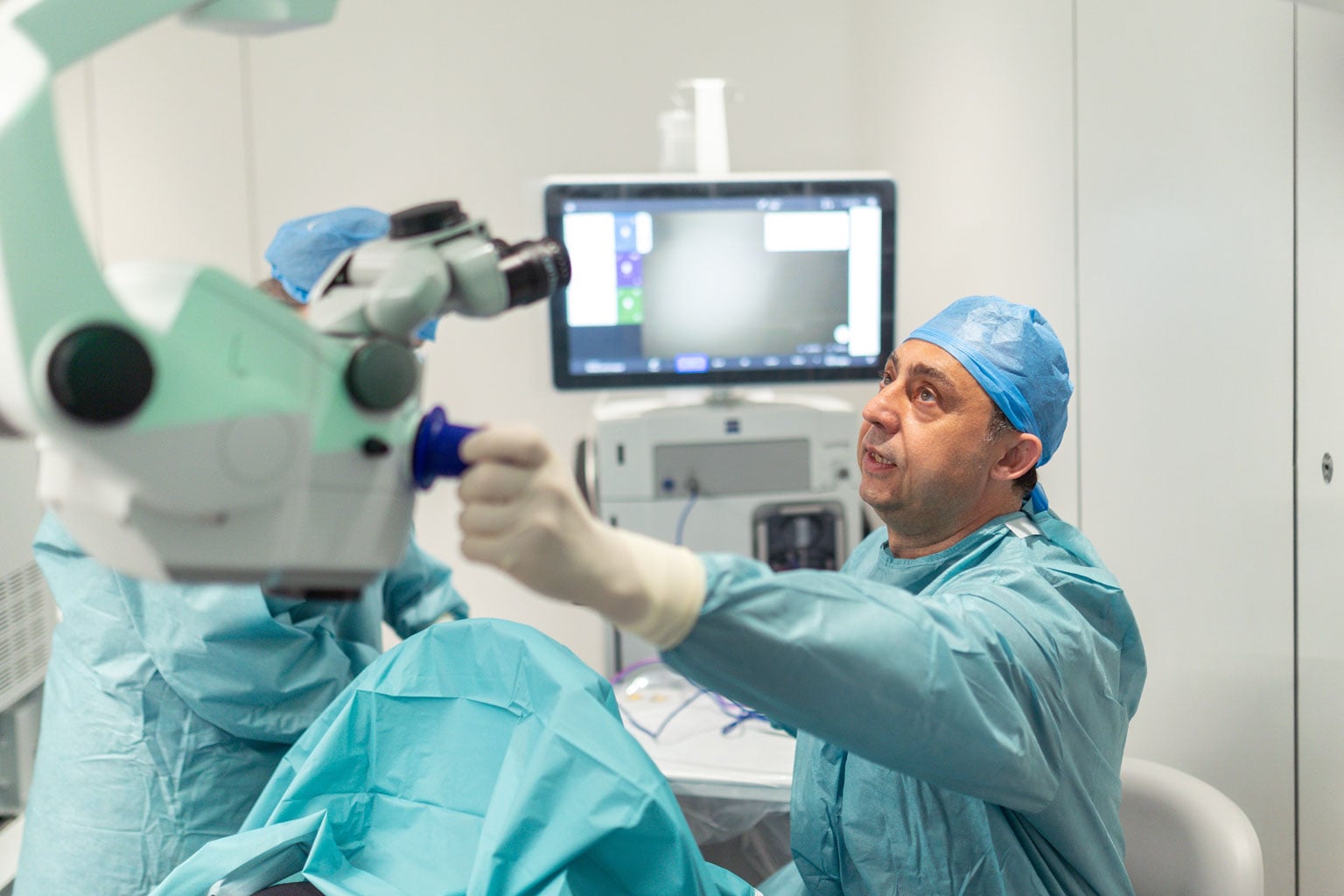
6. Maintaining excellence across borders
As demand for premium vision correction grows internationally, leading European clinics are expanding into new regions, including the Middle East and Asia. This expansion is not driven by scale alone, but by a responsibility to deliver consistent standards of care wherever patients are treated.
Maintaining excellence across borders requires:
6.1 Uniform clinical protocols and training
Maintaining the highest standards across multiple locations begins with shared clinical protocols and continuous training. Surgeons and clinical teams follow the same evidence-based frameworks for assessment, treatment planning and aftercare, ensuring that patients receive the same level of care regardless of where they are treated. Regular training and knowledge exchange allow teams to refine techniques, adapt to new developments and maintain consistency as technologies evolve.
6.2 Consistent access to advanced technology
World-class outcomes depend on access to the right technology at the right time. Leading international clinics ensure that advanced diagnostic tools, surgical platforms and imaging systems are available across locations, not limited to a single flagship site. This consistency allows treatment decisions to be based on the patient’s needs rather than regional availability, which is especially important for international patients seeking predictable, high-quality care.
6.3 Shared outcome monitoring and quality assurance
High standards are sustained through continuous outcome monitoring. By analysing surgical results, visual performance and patient feedback across clinics, leading groups can identify trends, refine protocols and address issues early. This shared approach to quality assurance transforms individual experience into collective insight, strengthening patient safety and long-term results.
6.4 Close collaboration between surgical teams
Excellence in modern eye care is rarely achieved in isolation. Surgeons and clinical teams collaborate closely, sharing expertise across complex cases and emerging challenges. This collaborative culture ensures that difficult or unusual cases benefit from collective experience, providing patients with the reassurance that their care is informed by a wider pool of specialist knowledge.
When executed properly, international expansion allows patients worldwide to benefit from proven European standards of eye care, while preserving the quality and safety patients expect.
Safety & Patient Experience Across Borders
How EuroEyes maintains consistent standards, predictable outcomes and patient confidence across international clinics.
Uniform Clinical Standards
Shared assessment pathways, planning rules and aftercare protocols ensure the same level of safety and consistency, regardless of location.
Diagnostics First, Always
Layered diagnostics reduce uncertainty and guide careful patient selection, protecting outcomes long before surgery begins.
Surgeon-Led Decisions
Technology supports planning, but experience guides decisions. Surgeons adapt treatment to the individual eye, not templates.
What Travelling Patients Need
Clear explanations, realistic expectations and continuity of care. Patients want reassurance that standards do not change
when they cross borders.
How EuroEyes Delivers Consistency
Structured pathways, outcome monitoring and shared clinical expertise ensure patients receive the same high standard of care across all EuroEyes locations.
Outcome confidence, not hype.
International eye care works when standards are measurable, repeatable and led by experience. This is how EuroEyes protects patient outcomes at scale.
7. Vision correction in the context of modern lifestyles
Vision today is used differently than ever before. Screens, artificial lighting, extended working hours and high visual demands place new pressures on the eyes. Modern vision correction must account for these realities. Treatment planning increasingly considers how patients read, work, drive and relax! Not just how they perform on a vision test. This lifestyle-aware approach helps ensure that vision correction supports comfort, productivity and enjoyment, not just clinical outcomes.
Frequently asked questions about modern vision correction
Will my vision change again after surgery?
While vision correction provides long-term improvement, natural ageing of the eye continues. Most patients enjoy stable results for many years, with age-related changes addressed as part of ongoing eye care.
Is enhancement surgery common?
Enhancements are relatively uncommon but can be part of fine-tuning outcomes. When needed, they are typically straightforward and planned with patient safety in mind.
Can vision correction be tailored to my work or hobbies?
Yes. Modern planning takes lifestyle into account, whether you work on screens, drive at night, play sports or require precision vision.
Is international care consistent across locations?
Leading clinic groups apply the same clinical standards, technology and protocols across all locations to ensure consistent outcomes.
A surgeon’s perspective
Surgeon’s Perspective
“The highest standard of vision correction is not defined by one procedure or one technology. It is defined by how well we understand each individual eye and how carefully we plan for the future, not just the day of surgery. Our responsibility is to deliver vision that patients can rely on for years to come.”
Strong outcomes come from careful assessment, realistic planning, and treatment decisions shaped around the individual eye.
Setting the standard for the future
The future of vision correction lies in personalisation, transparency and experience. As expectations rise and technology continues to evolve, clinics that place patient outcomes at the centre of every decision will define the next chapter of eye care.
For patients, this means clearer choices, greater confidence and vision correction that truly fits their lives, today and well into the future.
مزيد من القراءة
European Society of Cataract & Refractive Surgeons (ESCRS)
Clinical guidance, refractive trends, and European consensus data
https://www.escrs.org
https://www.escrs.org/education/refractive-surgery
National Institute for Health and Care Excellence (NICE)
NG77: Cataracts in adults – management
https://www.nice.org.uk/guidance/ng77
Nature – Scientific Reports
Comparison of trifocal or hybrid multifocal–extended depth of focus intraocular lenses
https://www.nature.com/articles/s41598-021-87415-8
AME Open Eye
Multifocal and extended depth of focus intraocular lenses
https://aoe.amegroups.org/article/view/4632/html
Journal of Cataract & Refractive Surgery (JCRS)
Peer-reviewed research on refractive outcomes, contrast sensitivity, and long-term stability
https://journals.lww.com/jcrs/pages/default.aspx
الأكاديمية الأمريكية لطب العيون (AAO)
Patient-centred explanations and clinical perspectives on refractive and lens-based surgery
https://www.aao.org/eye-health
https://www.aao.org/education
Ophthalmology Times Europe
European-focused insight on refractive surgery trends and technology
https://europe.ophthalmologytimes.com
Clinical Ophthalmology (Dove Medical Press)
Research on visual quality, glare, halos, and patient satisfaction
https://www.dovepress.com/clinical-ophthalmology-journal