(الكتاب الأبيض)
رؤى الخبراء من EuroEyes
The decision that defines your vision for the next 20 years.
Cataract surgery is no longer just about restoring sight. It is about choosing how you want to see the world going forward. With modern lens technology now offering multiple vision ranges, reduced dependence on glasses, and lifestyle-driven outcomes, the decision made during surgery has become one of the most important long-term choices in eye care.
This white paper goes beyond the basics. It explores how lens technology has evolved, what clinical evidence shows today, and how different options impact real life. Whether you are just starting your research or preparing for surgery, this guide is designed to help you make a clear, confident decision.
الخلاصة
Cataract surgery restores sight for millions each year, but the lens you choose determines how you experience that sight in everyday life. The difference between monofocal and premium lenses is not simply clinical, it is functional, lifestyle-driven, and long-term. This white paper explores how modern lens technology, including trifocal, EDOF, and toric implants, is reshaping expectations around vision, moving patients beyond basic clarity toward true visual independence.
مقدمة
Cataract surgery is one of the most common operations performed worldwide. For millions, it restores sight and renews independence. But one decision often overlooked is also one of the most important: which permanent lens implant should replace your cloudy natural lens?
The choice between standard monofocal lenses and advanced premium options like trifocal, extended depth of focus (EDOF), and toric lenses directly shapes not just your vision, but your lifestyle, independence, and future costs. This white paper explores the truth about cataract lens options, comparing clinical outcomes, lifestyle benefits, and financial considerations. Drawing on EuroEyes’ extensive surgical experience across Europe, it is designed to guide patients toward informed, confident decisions.
In 2025, patients are no longer choosing between “seeing or not seeing”, they are choosing how they want to live. From screen-based work to active lifestyles and travel, vision demands have changed, and lens technology has evolved to meet them.
Who This Guide Is For
This guide is designed for patients who want more than standard outcomes from cataract surgery. It is particularly relevant if you:
- Want to reduce or eliminate your dependence on glasses
- Use digital screens daily for work or lifestyle
- Drive regularly, including at night
- Value long-term visual clarity and convenience
- Are comparing NHS and private treatment options in the UK
If your goal is not just to see clearly, but to see freely, the choice of lens becomes central to your outcome.
1. فهم الأساسيات
عدسة قياسية أحادية البؤرة (خيار هيئة الخدمات الصحية الوطنية)
تصحح الرؤية على مسافة واحدة فقط (عادةً ما تكون بعيدة). سيظل المرضى بحاجة إلى نظارات للمهام القريبة أو المتوسطة (القراءة والكمبيوتر والطهي).
العدسات المميزة (خيار خاص)
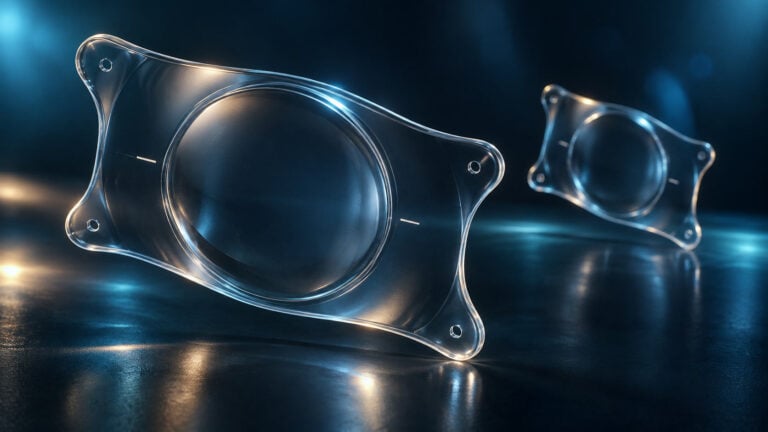
غرسات متقدمة مصممة لتقليل أو إلغاء الاعتماد على النظارات. تشمل الأنواع الفرعية ما يلي:
- عدسات ثلاثية البؤرة: تصحح الرؤية القريبة والمتوسطة والبعيدة.
- عمق التركيز الموسع (EDOF): نطاق سلس من المتوسط إلى البعيد، مع رؤية ليلية محسّنة.
- العدسات الحيدية: تصحيح اللابؤرية إلى جانب إعتام عدسة العين.

2. النتائج السريرية: ما تظهره الأدلة
- الحرية البصرية: تشير الدراسات إلى أن ما يصل إلى 85-90% من المرضى ثلاثي البؤرة يحققون الاستقلال التام عن النظارات، مقارنةً بما يقرب من 0% من المرضى أحادي البؤرة القياسي.
- تصحيح اللابؤرية: من دون العدسات الحيدية سيظل مرضى اللابؤرية بحاجة إلى نظارات.
- الرؤية الليلية والهالات: تقلل التصاميم الحديثة (أحدث التصاميم ثلاثية البؤرة و EDOF) من القيود السابقة.
- معدلات الرضا: تتوافق بيانات EuroEyes الداخلية مع نتائج ESCRS، حيث أبلغ مرضى العدسات الممتازة عن درجات أعلى في جودة الحياة بعد الجراحة.
3. تأثير نمط الحياة: ما بعد غرفة العمليات
العدسات القياسية
تستعيد وضوح الرؤية ولكنك تعتمد على النظارات للقراءة أو القيادة ليلاً أو ممارسة الهوايات.
العدسات الفاخرة
مصممة للحياة العصرية. من العمل على أجهزة رقمية متعددة، إلى قراءة قوائم الطعام في المطاعم المعتمة إلى القيادة بثقة. تتكيف هذه العدسات مع المتطلبات اليومية.
دراسة حالة
A 62-year-old EuroEyes patient chose trifocal lenses. She now manages daily life without glasses from working at her computer to hiking abroad, a result impossible with monofocal implants.
4. المعادلة المالية: النظارات مقابل العدسات الفاخرة
على الرغم من أن العدسات الفاخرة تنطوي على تكلفة مقدمة، إلا أنها تقلل أو تلغي نفقات النظارات والعدسات اللاصقة مدى الحياة.
مقارنة توضيحية (لكل مريض، متوسط المملكة المتحدة):
- استبدال النظارات كل عامين (الإطارات + العدسات): ~£300
- 10 سنوات بعد جراحة إعتام عدسة العين بعد 10 سنوات: 1,500 جنيه إسترليني
- 20 سنة بعد الجراحة: أكثر من 3,000 جنيه إسترليني
- ترقية العدسة الممتازة في الجراحة: تكلفة لمرة واحدة، بدون نفقات مستمرة.
بالنسبة للكثيرين، تثبت العدسات الفاخرة أنها أكثر اقتصاداً مع مرور الوقت.
المنظور المالي
The financial aspect of lens choice is often overlooked, yet it can be helpful for patients to understand how costs may evolve over time. While cataract surgery on the NHS provides a standard monofocal lens at no personal cost, private treatment with premium lenses involves a higher upfront investment. Over a period of ten to twenty years, patients who rely on monofocal lenses typically purchase several pairs of glasses, including prescription sunglasses or specialist lenses. At an average of £300 per pair, this can amount to £1,500 or more over ten years, and close to £3,000 over twenty years.
Premium trifocal or EDOF lenses usually reduce or remove the need for glasses altogether. The higher upfront cost of these lenses remains fixed, whereas ongoing glasses costs may accumulate over time. It is important to stress that most patients who choose premium lenses do so not for financial reasons but because of the lifestyle benefits: the convenience of reading without glasses, driving with confidence at night, or working seamlessly on digital devices. For some, the economics may make premium lenses appear cost-neutral or even cost-saving in the long term. For others, the decision is less about cost and more about independence from glasses and the quality of vision achieved after surgery.
5. خيارات هيئة الخدمات الصحية الوطنية مقابل الخيارات الخاصة في المملكة المتحدة
- مسار NHS: العدسات القياسية أحادية البؤرة فقط. يجب على المرضى الذين يرغبون في الحصول على عدسات ممتازة البحث عن علاج خاص.
- عيادات خاصة (EuroEyes): إمكانية الوصول إلى مجموعة كاملة من العدسات الممتازة المصممة خصيصاً لتناسب قياسات عين كل مريض ونمط حياته وتوقعاته.
يفسر هذا الاختلاف سبب لجوء العديد من المرضى الذين يبدأون في مسار هيئة الخدمات الصحية الوطنية في نهاية المطاف إلى الاستشارة الخاصة.

6. نهج EuroEyes في اختيار العدسات الشخصية
في EuroEyes، لا يكون اختيار العدسات في EuroEyes "مقاس واحد يناسب الجميع". نحن نجمع بين:
- التشخيصات المتقدمة (القياس الحيوي البصري، وطبوغرافيا القرنية، وتصوير الشبكية).
- استبيانات نمط الحياة لمواءمة اختيار العدسات مع الأنشطة اليومية.
- عقود من الخبرة الجراحية في جميع أنحاء أوروبا.
- مناقشات شفافة للفوائد والقيود والبدائل.
With a global network of clinics and decades of refractive expertise, EuroEyes has treated hundreds of thousands of patients across Europe and beyond. This depth of experience allows for highly refined lens selection strategies tailored to individual outcomes. This approach ensures every patient chooses a lens not just for today but for the next 20 years.
نظرة عامة على مقارنة العدسات
| نوع العدسة | نطاق الرؤية المشمول | النظارات اللازمة بعد الجراحة | الأفضل لـ | القيود | مستوى التكلفة |
|---|---|---|---|---|---|
| أحادي البؤرة (NHS) | مسافة واحدة (عادة ما تكون بعيدة) | نعم، للقراءة والكمبيوتر | المرضى الذين يعطون الأولوية للوضوح في نطاق واحد | لا توجد حرية الرؤية المتوسطة أو القريبة | قياسي |
| ثلاثي البؤرة | قريبة ومتوسطة وبعيدة | نادراً ما | أقصى قدر من الاستقلالية عن النظارات | قد تلاحظ هالات في الإضاءة المنخفضة | بريميوم |
| EDOF (عمق التركيز البؤري الموسع) | من المتوسط إلى البعيد | في بعض الأحيان للقراءة المتأنية | رؤية سلسة للقيادة والشاشات وكل يوم | قد تظل هناك حاجة إلى نظارات القراءة | بريميوم |
| توريك | يصحح اللابؤرية عند المسافة المختارة | نعم، ما لم يكن مقترنًا مع ثلاثي البؤرة/مثالي البؤرة الإلكترونية | المرضى الذين يعانون من اللابؤرية (الاستجماتيزم) الذين يبحثون عن وضوح أكثر وضوحًا | يصحح نطاق واحد فقط ما لم يتم الجمع بينهما | بريميوم |
الخاتمة
Ultimately, cataract surgery is no longer a one-size-fits-all procedure. It is a personalised decision that defines not only how clearly you see, but how independently you live.
The lens you choose during cataract surgery will define your visual freedom for decades. Standard monofocals restore sight but maintain dependence on glasses. Premium lenses expand possibilities, offering independence, lifestyle flexibility, and long-term value.
As Europe’s leading vision correction specialists, EuroEyes provides clarity in this crucial decision. For patients seeking more than standard sight, the premium path often proves the truest investment in their future.
خواطر ختامية فادي خردجي، دكتوراه في الطب
“For many patients, cataract surgery is not simply about removing a cloudy lens, it is about reclaiming independence and quality of life. Standard monofocal implants will restore clarity, but often leave patients dependent on glasses for daily activities. With today’s premium lens technologies, we are able to offer something more: the possibility of freedom from glasses and sharper vision across all distances.
At EuroEyes, we believe patients deserve to understand the full range of options available, not just the standard pathway. My role as a surgeon is not only to perform a safe and precise procedure, but also to ensure every patient makes an informed choice that matches their lifestyle. Choosing the right lens is an investment in your future vision and ultimately, in how you live your life after cataract surgery.”
المراجع
- تقرير الاتجاهات السريرية للجمعية الأوروبية لإعتام عدسة العين والجراحة الانكسارية لعام 2024 (ملحق يورو تايمز)
- إرشادات NICE: إعتام عدسة العين لدى البالغين: الإدارة (NG77)
- de Vries NE, et al. “Visual outcomes after cataract surgery with multifocal IOL implantation: A systematic review.” Ophthalmology, 2022.
- كوشينر ب، وآخرون. "عدسات داخل العين ممتدة العمق للتركيز: آفاق جديدة في جراحة إعتام عدسة العين". مجلة جراحة الساد والجراحة الانكسارية، 2021.
- بيانات النتائج السريرية الداخلية للعيون الأوروبية (المملكة المتحدة وأوروبا، 2023).
الأسئلة المتداولة حول خيارات عدسات الساد
Q: What is the difference between standard and premium cataract lenses?
A: Standard monofocal lenses restore clear vision at one distance, usually far, but patients still need glasses for near and intermediate tasks. Premium lenses, such as trifocal, EDOF, and toric implants, are designed to provide clearer vision across multiple distances and reduce dependence on glasses.
Q: Do I still need glasses after cataract surgery?
A: With standard monofocal lenses, most patients require glasses for reading or intermediate tasks. Premium lenses can reduce or even eliminate the need for glasses in many cases, depending on the patient’s lifestyle and eye health.
Q: Are premium cataract lenses worth the extra cost?
A: For many patients, the value of premium lenses lies in lifestyle improvements, being able to read, drive, or work on digital devices without glasses. Financially, premium lenses may also offset the ongoing cost of glasses over time, though the primary benefit is convenience and independence.
Q: What are trifocal lenses?
A: Trifocal intraocular lenses provide clear vision at near, intermediate, and far distances. They are designed to maximise independence from glasses, especially for patients who want to move between tasks like driving, computer work, and reading seamlessly.
Q: What are EDOF lenses?
A: Extended Depth of Focus (EDOF) lenses create a continuous range of vision from intermediate to distance. They are particularly suited to patients who want sharp driving and screen vision, but some may still need reading glasses for fine print.
Q: What are toric lenses?
A: Toric lenses are designed for patients with astigmatism. They correct the irregular shape of the cornea while also treating the cataract, providing sharper vision. They can also be combined with trifocal or EDOF technology.
Q: Can I get premium lenses on the NHS?
A: No, the NHS only provides monofocal lenses for cataract surgery. Patients who want premium options such as trifocal, EDOF, or toric lenses will need to choose private treatment.
Q: How do I know which lens is right for me?
A: Lens choice depends on multiple factors including lifestyle, hobbies, digital use, night vision needs, and whether you have astigmatism. A full diagnostic consultation with advanced scans and a discussion with your surgeon is essential to determine the best option.
Q: What is the recovery time after cataract surgery with premium lenses?
A: Recovery is similar to standard cataract surgery. Most patients notice improvements within days, with stabilised vision after a few weeks. Premium lenses do not usually extend recovery time.
Q: Can premium lenses be replaced in the future?
A: Yes, in rare cases lenses can be exchanged or adjusted if needed, though modern lens implants are designed to last a lifetime. Careful pre-operative diagnostics reduce the likelihood of needing changes later.