
EuroEyes Education Panel
Stay informed with expert-led articles on laser eye surgery, ICL implants, cataract solutions,
and personalised vision care from the specialists at EuroEyes UK.

Things I wish I Knew Before Cataract Surgery
Cataract surgery is one of the most successful and widely performed procedures in the world, restoring clear vision to millions of people each year. However, if you’re preparing for cataract surgery, you likely have questions, concerns, or even anxieties about the process. Knowing what to expect and how to prepare can make a significant difference in your experience and recovery.

What Are the Three Types of Cataract Surgery?
Not all cataract surgeries are the same. Depending on the severity of the cataract, the health of the eye, and the patient’s needs, ophthalmologists choose from three main surgical techniques.

Everything You Need To Know About Monofocal Lenses
Monofocal lenses are a time-tested solution for vision correction, widely used in cataract surgery and refractive lens exchange procedures. At EuroEyes London, we specialise in providing state-of-the-art monofocal intraocular lenses that deliver clear distance vision and help patients reclaim their quality of life.

What Are The Advantages Of Trifocal Lenses?
Trifocal lenses represent a breakthrough in advanced vision correction technology, offering patients a comprehensive solution to achieve clear vision at near, intermediate, and distance ranges, all with a single implant. At EuroEyes London, our state-of-the-art trifocal lens implants are transforming lives by reducing the dependency on glasses and providing a seamless transition between reading, working, and enjoying the great outdoors.

What Illness Can An Eye Test Detect?
As a surgeon at EuroEyes, I often emphasise to patients that eye exams serve a far greater purpose than simply updating prescriptions for glasses or contact lenses. While achieving sharp, clear vision is essential, the value of these examinations extends far beyond eyesight alone.

How To Keep Your Eyes Naturally Healthy For Today And The Future
EuroEyes recommends protecting your eyes from UV light, taking regular screen breaks, maintaining a nutrient-rich diet, staying hydrated, and scheduling routine eye exams to help keep your eyes naturally healthy.
Latest Press

EuroEyes International Meeting 2026! Advancing Vision Care Together
In January 2026, EuroEyes brought together eye care specialists and team members from across Europe for a landmark international meeting in Sønderborg, Denmark. Hosted at the prestigious Hotel Alsik, this was one of the largest gatherings of the EuroEyes family to date, uniting clinicians, surgical experts, business leaders, and innovators from clinics in Germany, England, Denmark and Switzerland for three days of professional exchange and collaboration.
EuroEyes Celebrates a Spectacular Opening in Zurich
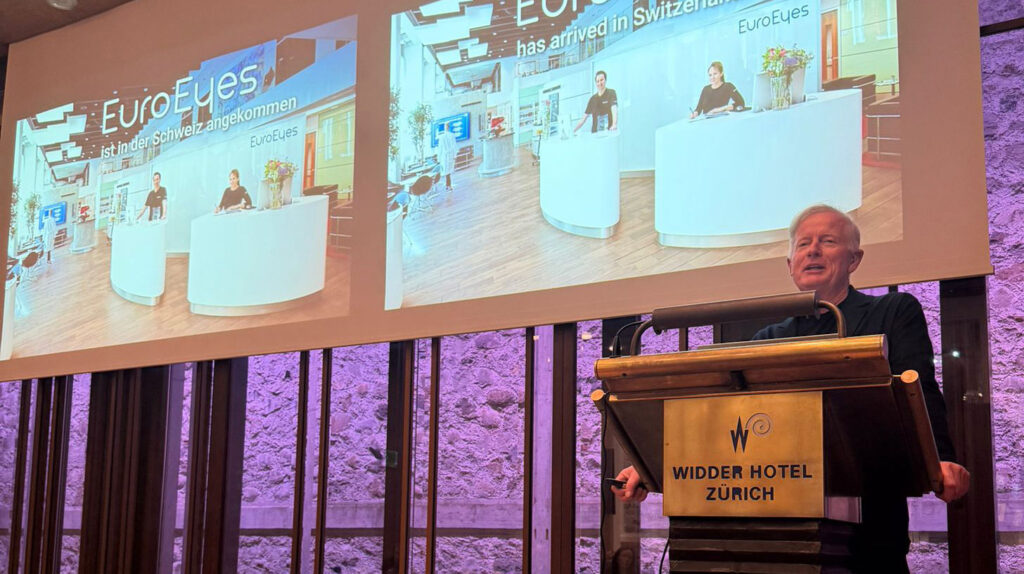
EuroEyes marked its official launch in Switzerland with a prestigious opening event at the Widder Hotel in Zurich on 20 November. The evening brought together exciting insights into modern ophthalmology, the unveiling of a world-first innovation in implantable lenses, and compelling real-life testimonials. A major highlight was the presentation of an international award from ZEISS for the highest number of trifocal lens implantations worldwide! A recognition that reinforced EuroEyes’ position as a global leader.
EuroEyes Celebrates Official Opening in Zürich
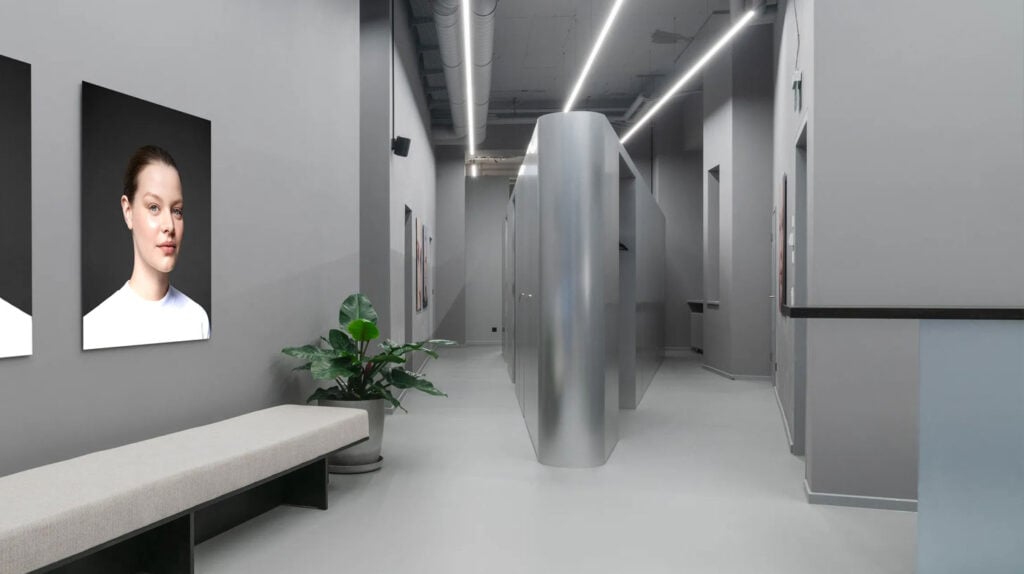
On 20 November 2025, EuroEyes officially opened its new clinic in Zürich. The launch event marked an exciting milestone for the expansion of the EuroEyes Group into Switzerland, bringing cutting-edge refractive surgery and lens-based eye care to patients across the country.
Following a warm welcome from Dr. Jørn S. Jørgensen, founder and CEO of the EuroEyes Clinic Group, guests were given an inside look into EuroEyes’ vision for Switzerland. With seven new clinics opening nationwide, EuroEyes is setting a new standard for advanced SMILE laser surgery, ICL implantation, and presbyopia and cataract treatment in the region.

Meet the Expert: Dr. Jørn S. Jørgensen on Correcting Presbyopia, Never Need Glasses Again!
Millions of people begin to notice it around the age of 45: reading the newspaper, using a smartphone, or checking a menu suddenly requires holding it farther away. What once appeared crisp now looks blurry up close. It’s a moment many recognise, the first sign of presbyopia, or age-related farsightedness.
To better understand the condition and explore modern treatments, we spoke with Dr. Jørn S. Jørgensen, founder of the EuroEyes Clinic Group and one of the world’s leading ophthalmic surgeons.
