
EuroEyes Education Panel
Stay informed with expert-led articles on laser eye surgery, ICL implants, cataract solutions,
and personalised vision care from the specialists at EuroEyes UK.

Can Eye Exercises Really Help Presbyopia? The Truth About Ageing Eyes
Many people begin to notice changes in their near vision from around the age of 40. Small text becomes harder to read, phone screens feel less sharp, and books or menus often need to be held further away. This natural change is called presbyopia, or age-related long-sightedness.
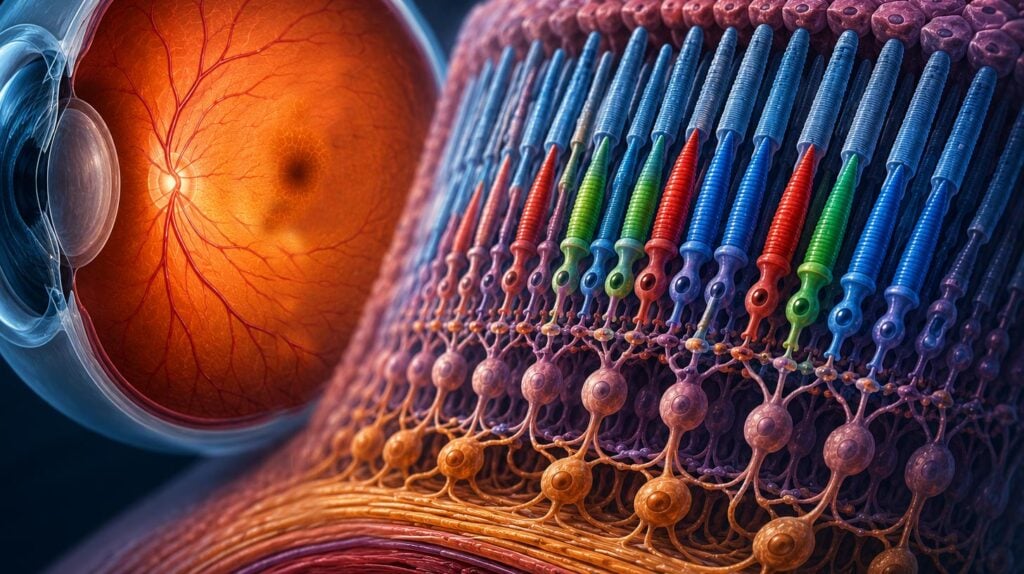
The Retina of the Eye and Why It Is So Important for Vision
Most people never think about their retina until something goes wrong. Vision simply feels automatic. You wake up, open your eyes, recognise faces, read messages, drive through London traffic, notice colours, movement, depth, and light, all without consciously thinking about the complex biological system making it possible.

The LASIK Flap Explained and Why It Matters During Laser Eye Surgery
For many patients, the word LASIK sounds reassuringly familiar. They know it is one of the world’s most established forms of laser eye surgery. They know friends who have had it. They may even know someone who walked out seeing clearly the very next day.

Reading Glasses or Varifocals: Which Is Best for Everyday Life?
Most people begin to notice the early signs of presbyopia somewhere in their 40s. Restaurant menus become harder to read, text messages appear slightly blurred, and the phone gradually gets held further away to bring words back into focus. At that point, many people begin asking the same question: should you choose reading glasses or varifocals?

Reading Glasses Alternatives for Long Term Freedom From Glasses
Most people first notice presbyopia gradually. Menus become harder to read in dim restaurants, messages on your phone look softer than they used to, and your arms somehow never feel quite long enough anymore. For many, the immediate answer is simple: buy a pair of reading glasses.
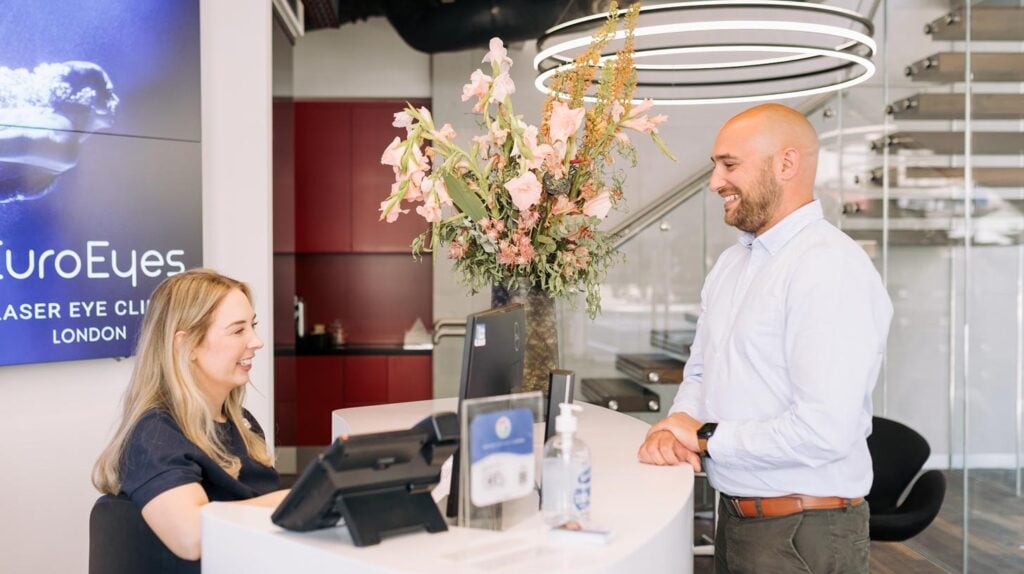
How Do You Choose the Right Eye Clinic in London
For most people, the decision does not begin with surgery. It begins with frustration. A blurry train timetable at Liverpool Street. Squinting at restaurant menus in low light. Glasses steaming up during the winter commute across London. Contact lenses drying out halfway through the day. Then comes the moment many patients quietly reach on their own: maybe I should finally do something about this.
Latest Press
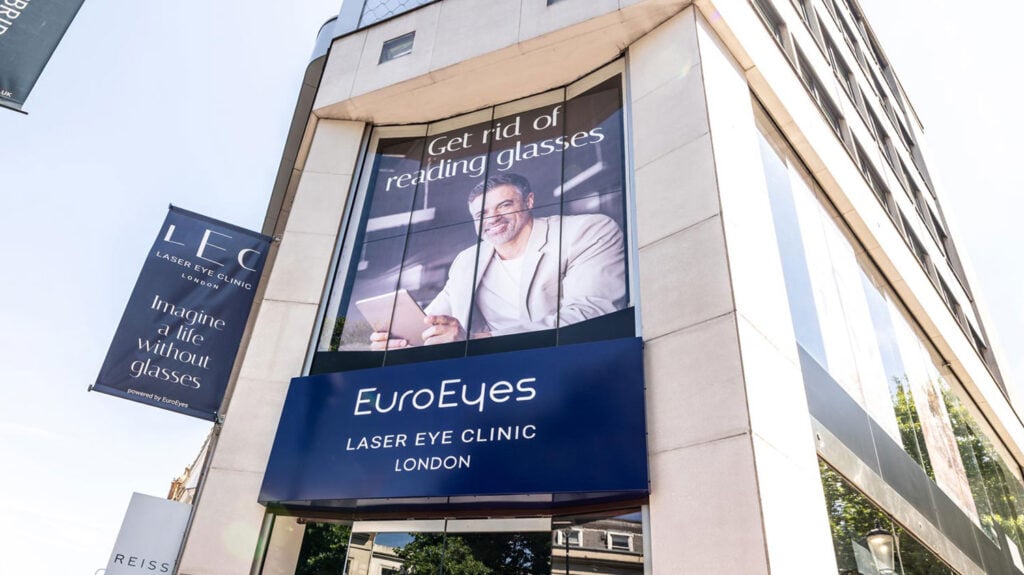
EuroEyes Expands into Switzerland with New Advanced Eye Clinics
EuroEyes combines international medical excellence with more than three decades of experience in laser vision correction, presbyopia (age-related farsightedness), and cataract treatment. The group is medically led, owned by physicians, and globally recognized for its pioneering surgical innovation and commitment to quality.

EuroEyes Expands London Footprint With Acquisition Of Betterview’s Westfield Clinic
EuroEyes today announced the acquisition of Betterview’s laser eye surgery clinic at Unit 2014, The Village, 1st Floor, Westfield London Shopping Centre, Ariel Way, Shepherd’s Bush, London W12 7GF. The addition strengthens EuroEyes’ presence in the capital and provides a convenient West London location for consultations and treatment.
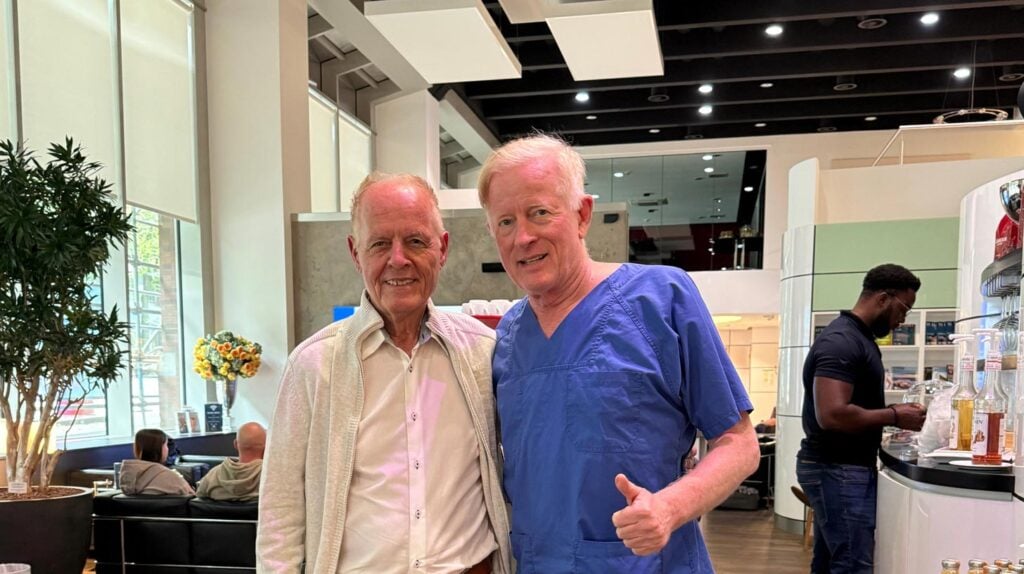
Light Adjustable Lens arrives in Europe at EuroEyes London
EuroEyes has reached an important milestone for patients with cataracts. Last week, our teams in Hamburg and London treated the very first patients in Germany and the UK with the newest generation Light Adjustable Lens (LAL) from RxSight. It marks the beginning of a new era in which vision can be personalised after surgery, not just predicted before it.

A Successful First Joint Conference on Presbyopia Treatment
EuroEyes LEC London and London Vision Clinic proudly hosted their first collaborative CPD event for optometrists on Sunday, 6th July 2025, bringing together professionals from across the UK for a full day dedicated to the evolving treatment landscape of presbyopia.
