Can Eye Exercises Help with Presbyopia?
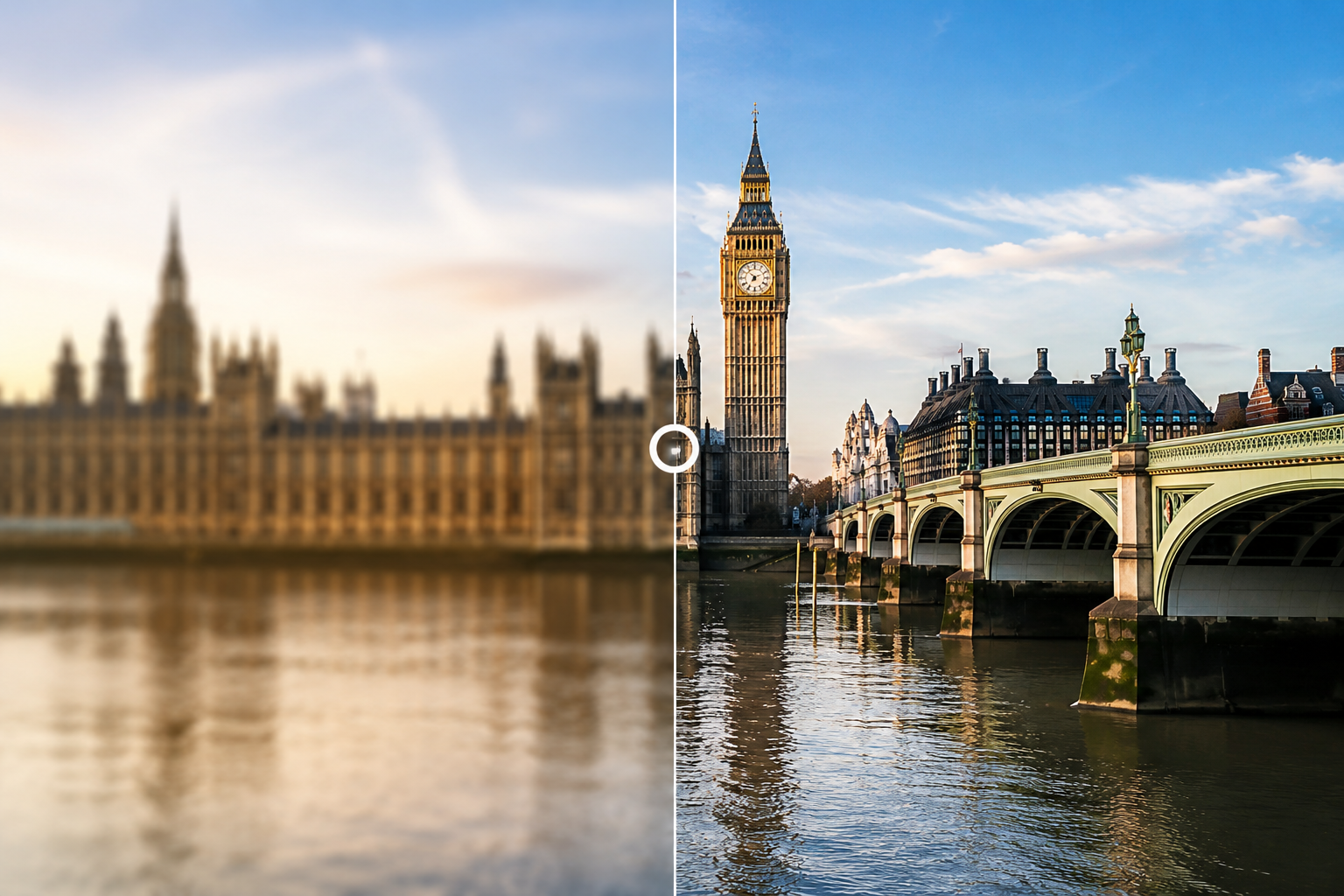
Many people begin to notice changes in their near vision from around the age of 40. Small text becomes harder to read, phone screens feel less sharp, and books or menus often need to be held further away. This natural change is called presbyopia, or age-related long-sightedness.
Online, there are many claims that eye muscle training or eye exercises can restore near vision. While some exercises may help tired eyes feel more relaxed, they cannot reverse the underlying cause of presbyopia. The reason lies not in weak eye muscles, but in the ageing of the natural lens inside the eye.
What Happens to the Eye During Presbyopia?
When we are younger, the natural lens inside the eye is soft, flexible and able to change shape easily. This allows the eye to focus clearly at different distances, from far-away objects to close-up text.
This focusing process is known as accommodation. It is controlled by the ciliary muscle, which helps the lens adjust its shape depending on where we are looking. As we get older, the lens gradually becomes stiffer and less elastic. This means it can no longer change shape as effectively. Even if the eye muscles are still working, the lens itself becomes less responsive.
In simple terms, the muscle may still be doing its job, but the lens no longer has the flexibility it needs to focus clearly up close.
Why Eye Muscle Training Cannot Reverse Presbyopia
Eye training programmes often suggest that vision can be improved by strengthening the muscles around the eyes. This can sound logical, especially when presbyopia is described as a focusing problem.
However, presbyopia is not caused by weak eye muscles. It is caused by the natural lens becoming harder and less flexible with age. That means eye exercises cannot restore the elasticity of the lens. They cannot soften the lens, reverse ageing changes, or permanently bring back youthful near vision. Some exercises may help reduce temporary eye strain, especially after long periods of screen use. Blinking more often, taking screen breaks and looking into the distance can all make the eyes feel more comfortable. But this is very different from correcting presbyopia itself.
The Lens Continues to Change with Age
Presbyopia is often one of the first noticeable signs that the natural lens is changing. Over time, the same lens may also begin to lose transparency. This can eventually lead to cataracts. Common signs of cataract development include blurred vision, glare from lights, faded colours and difficulty seeing clearly at night. This is why presbyopia and cataracts are closely linked. Both are connected to age-related changes in the natural lens. One affects flexibility, while the other affects clarity.
Modern Lens Solutions for Presbyopia
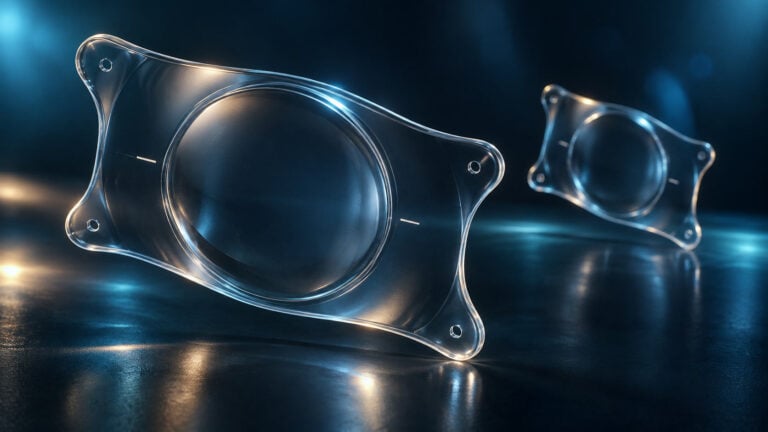
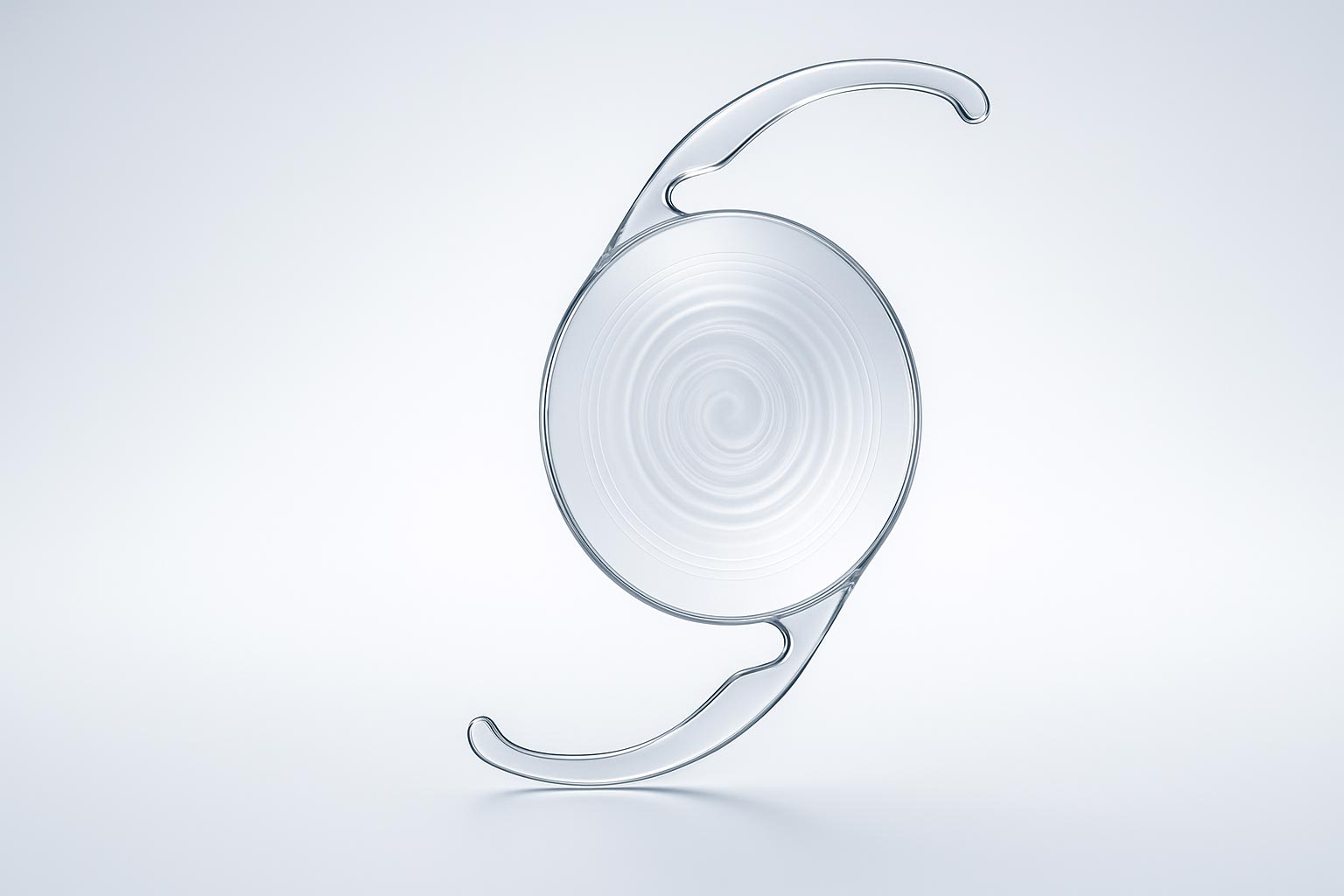
Rather than trying to train a lens that has become stiff, modern eye surgery can replace the ageing natural lens with an advanced artificial lens. At EuroEyes London, lens replacement options are designed to help patients see more clearly at different distances, often reducing or removing the need for reading glasses.


Are Eye Exercises Ever Useful?
Eye exercises may still have a place in general eye comfort. For example, people who spend long hours using digital screens may benefit from regular focusing breaks, better blinking habits and relaxation techniques.
These habits can help reduce tiredness and dryness, but they should not be seen as a medical treatment for presbyopia. If near vision is becoming increasingly blurred, the most important step is to have a full eye examination. This helps confirm whether the issue is presbyopia, cataracts, dry eye, or another underlying condition.
Can Presbyopia Be Treated Permanently?
For suitable patients, modern lens replacement surgery can offer a long-term solution to presbyopia. By replacing the natural ageing lens with a premium artificial lens, it is possible to restore clearer functional vision across multiple distances. This approach can also prevent cataracts from developing in the replaced lens in the future, because the natural lens has already been removed.
Frequently Asked Questions About Presbyopia
Many patients exploring treatment for presbyopia ask whether lifestyle changes, eye exercises or natural methods can improve their near vision. Here are some of the most common questions surrounding ageing eyes and modern vision correction.
Can diet improve presbyopia?
A healthy diet can support overall eye health, particularly nutrients such as lutein, omega-3 fatty acids, vitamin C and zinc. However, diet alone cannot reverse presbyopia because the condition is caused by the natural lens inside the eye becoming stiffer with age. Good nutrition may help maintain healthy eyes, but it cannot restore the flexibility of the lens once it has changed.
Do pinhole glasses or glasses with tiny holes really work?
Pinhole glasses can sometimes create a temporary sharpening effect by limiting scattered light entering the eye. This may make text appear slightly clearer for short periods. However, they do not improve the natural lens or correct presbyopia itself. Most eye specialists do not consider them a long-term solution for ageing vision.
Are there supplements that help ageing eyes?
Certain supplements may support general eye health, particularly antioxidants and nutrients linked to retinal health. Ingredients such as lutein, zeaxanthin, vitamin A and omega-3 oils are often associated with maintaining healthy vision. While they may support the eyes overall, there is currently no supplement proven to reverse presbyopia or restore youthful focusing ability.
Can staring at screens make presbyopia worse?
Screens do not directly cause presbyopia, but heavy screen use can increase eye strain and make symptoms more noticeable. Many people experience tired eyes, headaches and temporary blurred vision after long periods of close-up focus. Taking regular breaks, blinking more often and adjusting screen brightness may help improve comfort throughout the day.
What is the most effective long-term treatment for presbyopia?
Modern lens replacement procedures using technologies such as trifocal lenses, EDoF lenses and Light Adjustable Lenses are currently among the most advanced long-term options available for suitable patients. These treatments are designed to improve vision across multiple distances while also replacing the ageing natural lens responsible for presbyopia.
Presbyopia Cannot Be Trained Away
Although eye exercises are often promoted as a natural way to improve vision, they cannot reverse the biological cause of presbyopia. The problem is not weak eye muscles. It is the gradual stiffening of the natural lens. Modern lens solutions such as trifocal lenses, EDoF lenses and Light Adjustable Lenses offer a more effective approach for patients who want to reduce their dependence on reading glasses.
For many people, the answer is not to train the eyes harder, but to explore whether modern lens replacement technology could provide a clearer, more lasting solution.