Advanced Lens Replacement Surgery for Reading, Presbyopia and Ageing Eyes
Many patients begin noticing changes in their vision during their 40s and 50s, particularly when reading small text, working on screens, or switching focus between near and distance vision. Clear Lens Exchange from EuroEyes UK in London is an advanced form of lens replacement surgery designed to treat these age-related vision changes while reducing dependency on glasses or contact lenses.
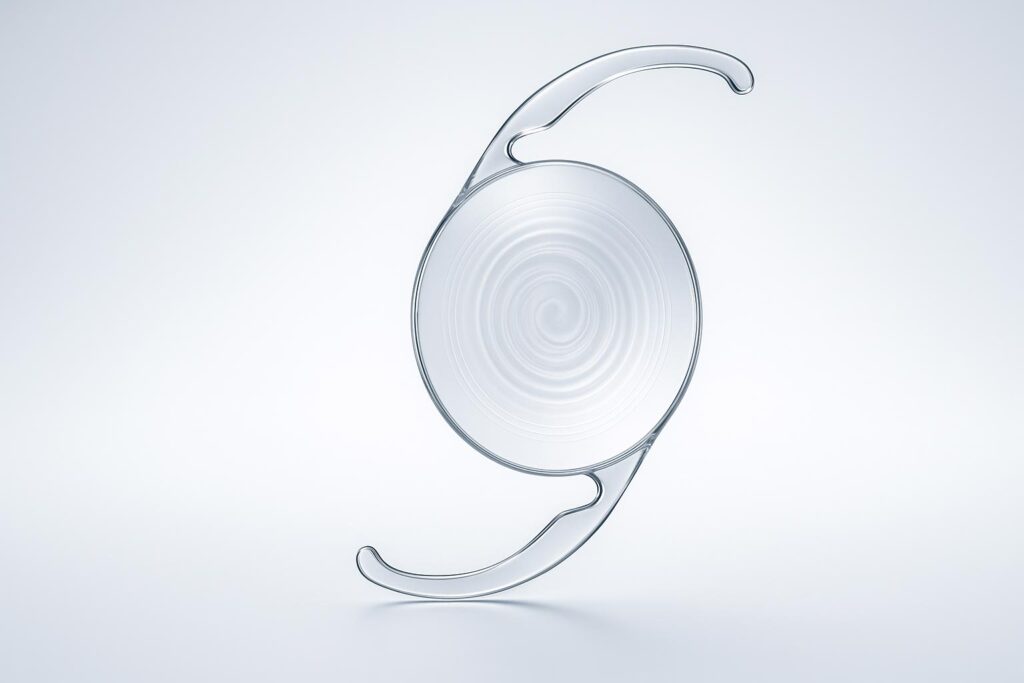
Also known as Refractive Lens Exchange (RLE), the procedure replaces the eye’s natural lens with a premium artificial intraocular lens (IOL) tailored to your prescription, lifestyle and visual needs. Depending on the type of lens selected, Clear Lens Exchange can help correct conditions including presbyopia, long-sightedness, short-sightedness and astigmatism, while also helping to prevent future cataract development. Modern lens options such as trifocal, toric and extended depth of focus lenses allow many patients to achieve clearer vision across multiple distances with greater day-to-day visual freedom.
Swipe sideways to compare providers
为什么选择 EuroEyes?
伦敦欧洲之眼
Typical Clinics
Budget Providers
1 Million+ Vision Correction Procedures
✓
罕见
✕
43 Clinics Across Europe & Asia
✓
✕
✕
Surgeons Performing 2,000+ Procedures Every Year
✓
视情况而定
罕见
Award-Winning Leadership in Trifocal, ICL & SMILE Pro
✓
罕见
✕
Full Range of Premium Lens Implants
✓
Limited
Limited
30+ Years of Innovation & Research
✓
视情况而定
✕
Vision Designed Around Your Life
At EuroEyes UK London, Clear Lens Exchange is never approached as a one-size-fits-all procedure. The type of lens selected can influence how you read, drive, work, travel and experience everyday life after surgery. That is why every treatment plan is carefully tailored around your vision, lifestyle and long-term expectations.
Some patients prioritise sharp distance vision for driving and active lifestyles, while others want greater freedom from reading glasses, screen fatigue or multifocal spectacles. Modern premium intraocular lenses (IOLs) now allow surgeons to customise vision correction in ways that were not possible just a few years ago.
Advanced Trifocal Lenses
Trifocal lenses are among the most advanced options available in modern refractive lens surgery. They are designed to improve near, intermediate and distance vision simultaneously, helping many patients achieve greater independence from glasses for reading, screens and day-to-day activities.
Single-focus vision designed for crisp driving and everyday distance clarity, with clean high-quality optics. Toric lens options are also available for patients with astigmatism.
Refined after surgery using advanced light-based adjustments for highly personalised vision precision, allowing your final focus to be customised as your eyes heal.
Smooth extended vision for distance and intermediate focus, ideal for driving and digital screens, with some patients occasionally using light readers for fine print.
Advanced premium lenses are designed to match different lifestyles, prescriptions and visual priorities.
Clear Lens Exchange uses the same modern surgical techniques as advanced cataract surgery.
The natural lens is replaced with an artificial intraocular lens designed for long-term vision correction.
Most procedures are completed within minutes using gentle microsurgical technology under local anaesthetic.
Aftercare includes detailed follow-up appointments to monitor healing and optimise visual outcomes.
Clear Lens Exchange in London With Advanced Vision Correction Tailored Around You
At EuroEyes London, Clear Lens Exchange is designed to do more than simply replace the eye’s natural lens. Using advanced premium intraocular lens technology, the procedure can also help correct common vision problems including short-sightedness, long-sightedness, presbyopia and astigmatism.
Modern lens options including trifocal, toric and extended depth of focus lenses are carefully selected around your lifestyle, visual priorities and prescription. Many patients experience clearer vision across multiple distances while significantly reducing their dependence on glasses or contact lenses.
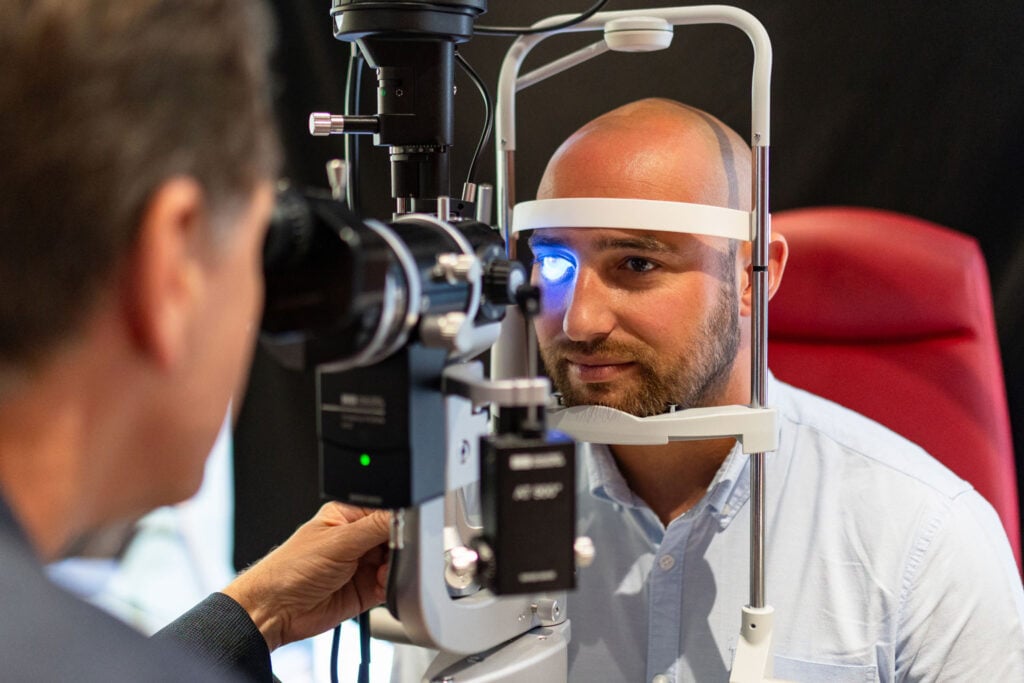
Our experienced refractive surgeons perform high volumes of advanced lens procedures each year using modern microsurgical technology and detailed diagnostic eye mapping.
Clear Lens Exchange is an advanced vision correction procedure that replaces the eye’s natural lens with an artificial intraocular lens designed to improve vision and reduce dependence on glasses or contact lenses.
The procedure can help correct short-sightedness, long-sightedness, presbyopia and astigmatism using different premium lens technologies tailored to the patient.
The surgical procedure is very similar, but Clear Lens Exchange is performed before significant cataracts develop. The goal is to improve visual freedom and long-term vision quality.
Modern lens options include monofocal, trifocal, toric, EDOF and Light Adjustable Lenses, each designed for different visual lifestyles and priorities.
Many patients experience significant freedom from glasses after surgery, although some may still occasionally use reading glasses depending on the lens selected and their visual requirements.