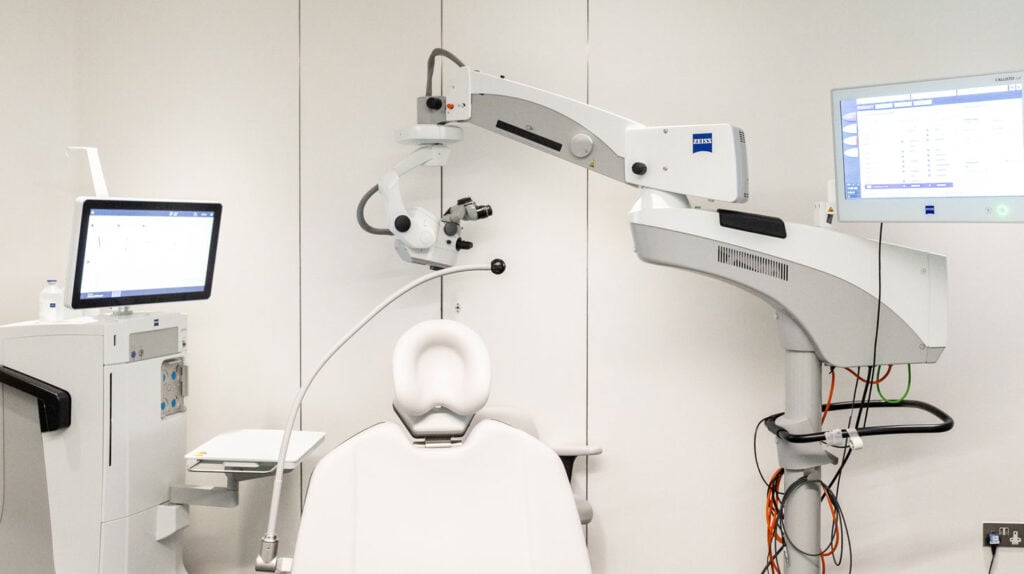
Life After Laser Eye Surgery
What to Expect Day-by-Day, Week-by-Week, and Months Later One of the most common questions patients ask is not about the procedure itself, but about what comes after. How quickly will

What to Expect Day-by-Day, Week-by-Week, and Months Later One of the most common questions patients ask is not about the procedure itself, but about what comes after. How quickly will

It’s a small thing, but it can feel surprisingly unsettling. A few days or weeks after eye surgery, you notice a flicker in your eyelid. Not painful, not constant, just
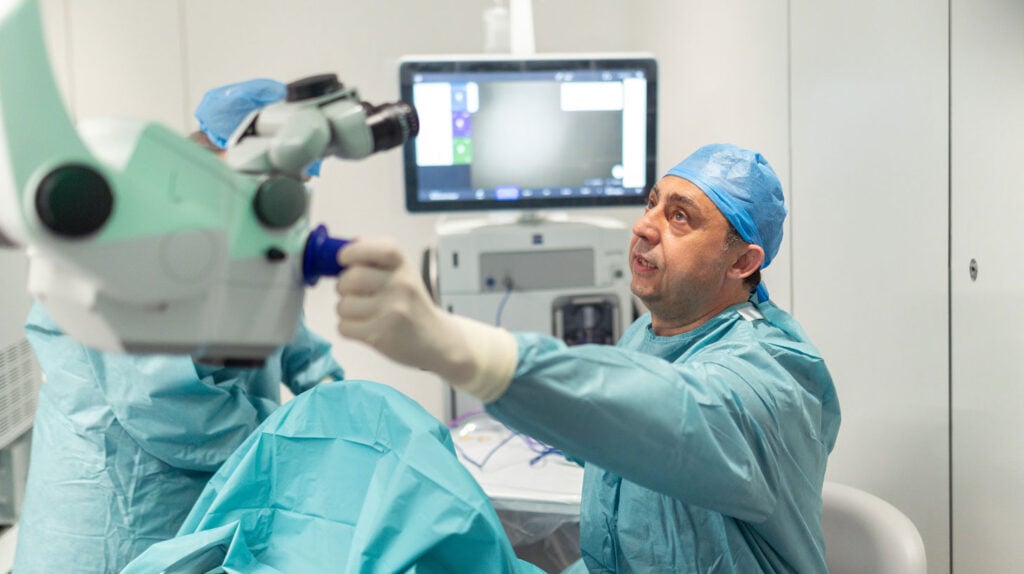
Modern Vision Correction: More Than Just Clear Sight In today’s world, choosing laser eye surgery is no longer just about correcting your vision. Patients are increasingly looking for a complete

A Surgeon’s Perspective on Modern Vision Correction Implantable Contact Lenses (ICL) represent one of the most advanced forms of refractive vision correction available today. Unlike lens replacement surgery, ICL does

There has been a quiet revolution in eye surgery over the past decade. When most people hear the word “cataract,” they still imagine a necessary but basic procedure, removing a

How This Technology Is Changing Visual Outcomes Cataract surgery has evolved significantly over the past decade. What was once considered a straightforward procedure to restore cloudy vision has become an

(White Paper) Expert Insights from EuroEyes London How leading eye clinics design confidence, safety and clarity before, during and long after surgery Contents Executive Summary Introduction Limitations of Traditional Vision
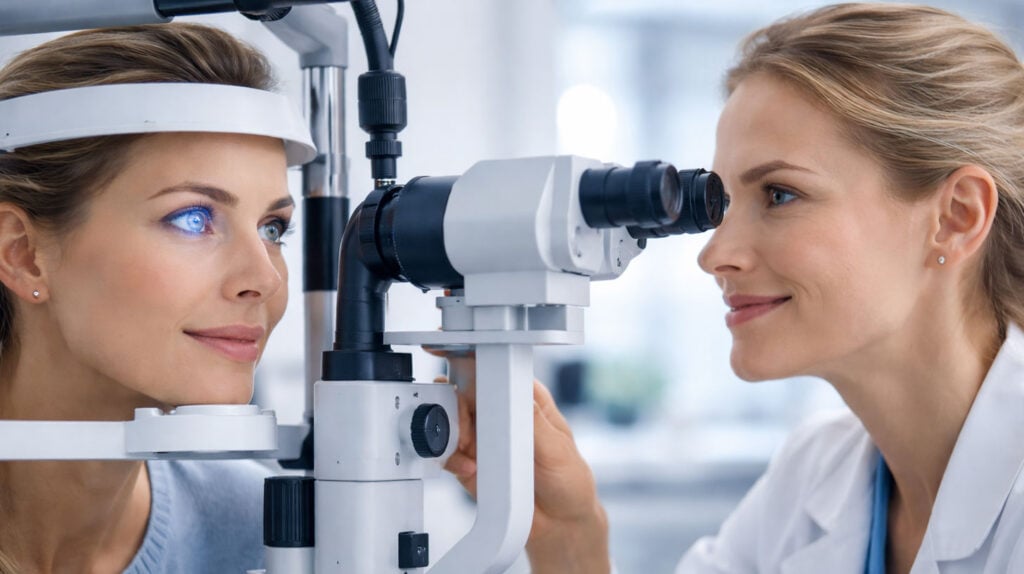
Understanding Strabismus, Amblyopia and Modern Treatment Options Many patients ask whether laser eye surgery or implantable lenses can “fix a lazy eye.” While the term “lazy eye” is widely used,

Many patients who visit our London clinic have worn contact lenses for years. They are often highly functional, but over time, patients begin to notice their limitations. Some describe moments

Astigmatism is one of the most common vision problems we see in clinics, yet it’s also one of the most misunderstood. Many people are told they “have astigmatism” without ever
