
EuroEyes Education Panel
Stay informed with expert-led articles on laser eye surgery, ICL implants, cataract solutions,
and personalised vision care from the specialists at EuroEyes UK.

The Truth About Cataract Lens Choices Premium vs Standard
Cataract surgery restores sight for millions each year, yet the choice of lens implant, monofocal versus premium lenses; often determines the true quality of vision after surgery. This white paper examines the differences in lens technology, clinical outcomes, lifestyle benefits, and economic implications. It highlights why premium lens options such as trifocal, EDOF, and toric implants offer superior visual freedom compared to standard monofocals, and why this choice matters for long-term quality of life.
What Causes Astigmatism to Worsen?
Astigmatism is one of the most common vision conditions in the UK, but patients are often surprised to learn that it can change over time. At EuroEyes, we frequently meet people who notice their glasses prescription is creeping up or that their vision seems blurrier than before. The natural question is: why does astigmatism sometimes get worse?

What Are the Symptoms of Presbyopia?
Presbyopia is a natural part of ageing yet many people are caught off guard by its arrival. The word itself comes from Greek, meaning “old eye,” but the reality of presbyopia is far more universal. At some point, nearly everyone will experience it.
The condition usually begins in the early to mid-40s, creeping in quietly before becoming impossible to ignore. Suddenly, reading a menu in dim light, scrolling on a phone, or threading a needle feels far more challenging than it used to. But presbyopia is more than just an inconvenience; it’s a global visual shift tied to the biology of the ageing eye.

What Are the Best Foods for Eye Health?
As surgeons, we often remind patients that vision correction procedures such as SMILE, ICL, or cataract surgery restore clarity, but the long-term health of the eye is deeply influenced by what you eat. Nutrition plays a central role in protecting the retina, maintaining the cornea, and slowing age-related changes that affect millions of people worldwide. While no diet can prevent presbyopia or reverse cataracts, the right foods can support healthy vision for decades and complement the advanced treatments we offer at EuroEyes.

How Many Times Can You Have Laser Eye Surgery?
There is no fixed number. A second or even third laser procedure can be possible, but only if the eye remains a safe candidate. The decision hinges on corneal thickness and biomechanics, the original procedure type, stability of your prescription, age-related lens changes, and overall eye health. Residual stromal bed safety margins are the hard stop.

How Does Laser Eye Surgery Work in 2025/26?
Laser eye surgery has been performed safely for over three decades, but the techniques, technology, and patient outcomes in 2025 look very different to those of the 1990s. This report explains how modern laser procedures such as LASIK, PRK, and SMILE Pro work today, highlights advances in diagnostics and surgical safety, and offers a glimpse into what patients can expect as innovation continues into 2026 and beyond.
Latest Press

EuroEyes Expands into the Netherlands with Strategic Integration of FYEO
EuroEyes continues its international expansion with the integration of FYEO into its global network, marking a significant step forward in the evolution of modern refractive eye care across Europe.
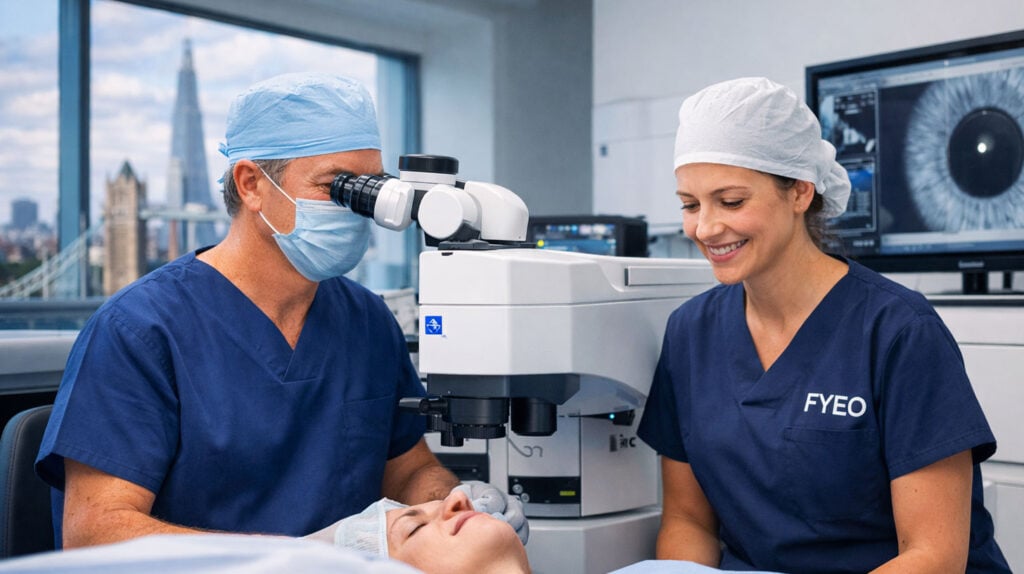
EuroEyes Welcomes FYEO into Its Global Network of Refractive Surgery Excellence
EuroEyes has entered into a strategic partnership with FYEO, marking an important step in the continued expansion of one of the world’s leading providers of advanced vision correction. With more than 30 years of experience in laser eye surgery and lens-based treatments, EuroEyes has built an international reputation for delivering precise, technology-led solutions.
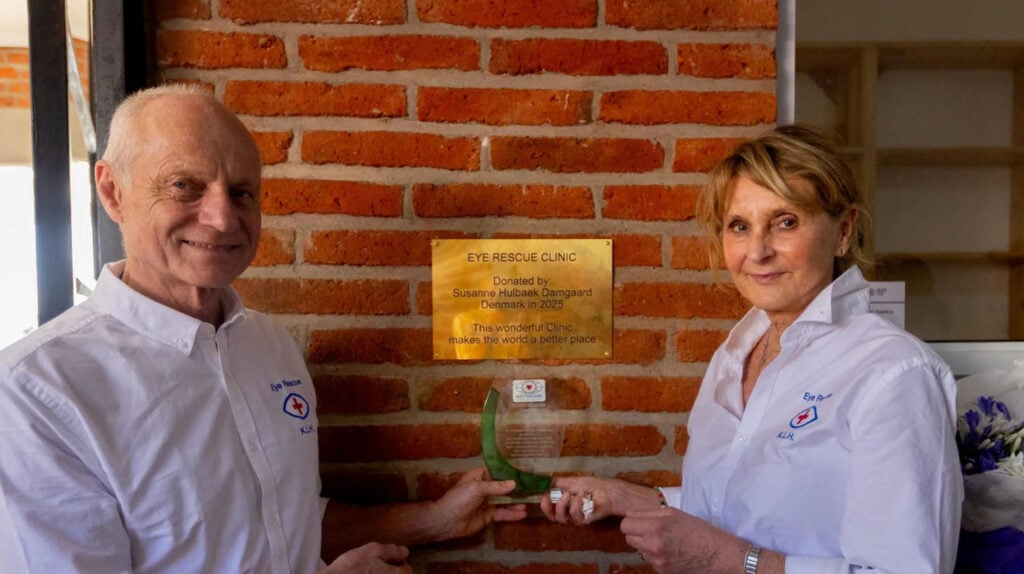
Milestone in Tanzania: EuroEyes Supports the Opening of a New Eye Clinic
Through the vision of Dr Jannik Boberg-Ans and Dr Gøril Boberg-Ans, in partnership with EuroEyes, a modern eye clinic has been established in Tanzania, offering renewed hope for improved access to specialist eye care.
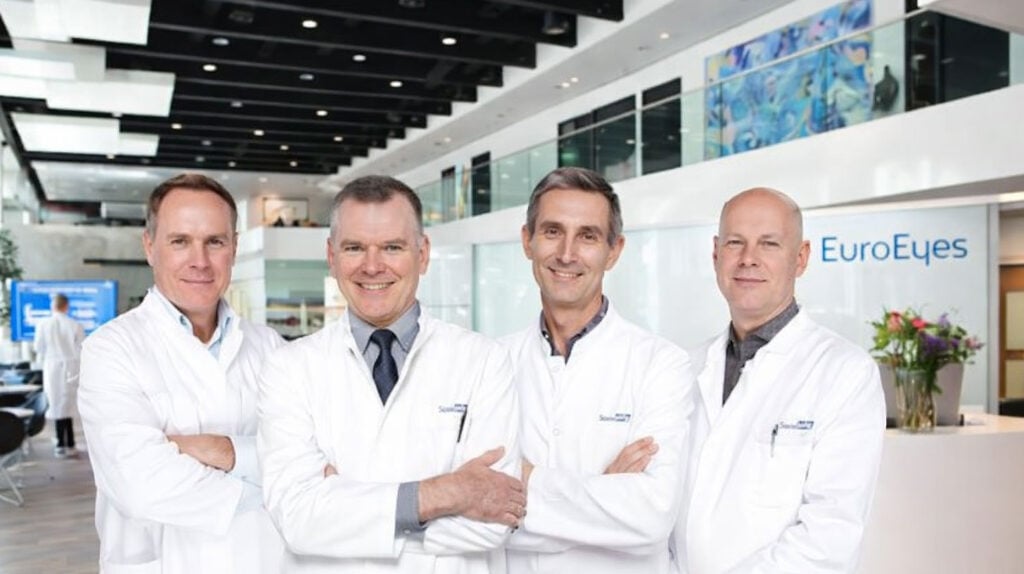
When Eye Surgeons Choose Their Own Clinic
My name is Dr. Jørn Jørgensen. I serve as CEO, Medical Director and practising ophthalmic surgeon at EuroEyes. Over the course of my career, I have had the privilege of performing thousands of vision correction procedures. Yet there is one measure of trust that stands above all others.
It is when members of our own team; including experienced eye surgeons, choose to undergo treatment within our own clinics.
