
EuroEyes Education Panel
Stay informed with expert-led articles on laser eye surgery, ICL implants, cataract solutions,
and personalised vision care from the specialists at EuroEyes UK.

What Eye Conditions Can Laser Eye Surgery Fix?
At EuroEyes, we understand that clear vision is essential for a fulfilling life. Laser eye surgery has revolutionised the way we approach common eye conditions, offering patients the opportunity to reduce their reliance on glasses or contact lenses.
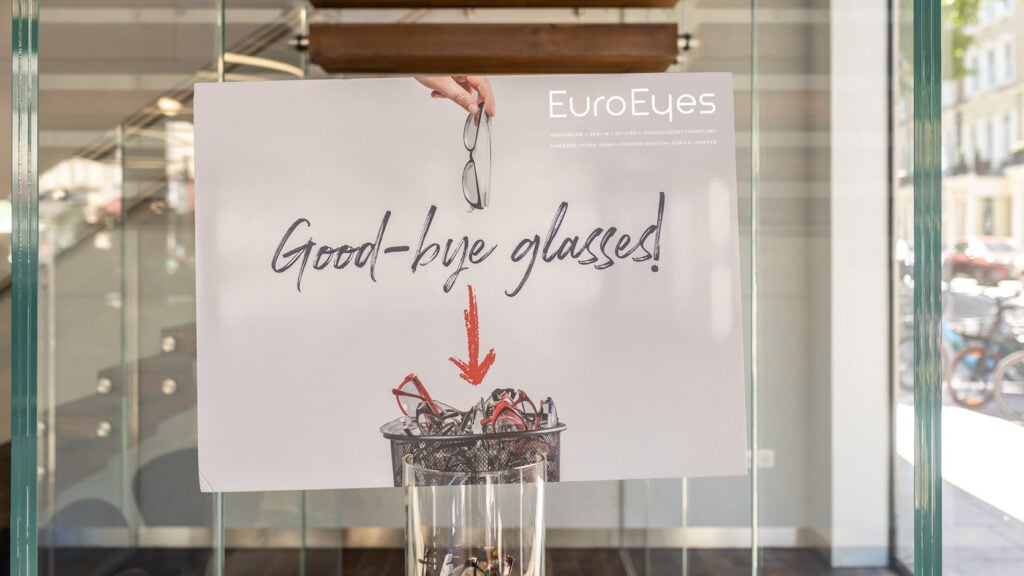
Implantable Contact Lenses Is A Permanent Solution For Vision Correction
For those who have struggled with glasses or contact lenses, implantable contact lenses (ICL) offer a transformative, long-term solution to vision correction. Unlike traditional lenses that require daily maintenance, ICL is a minimally invasive procedure that permanently corrects nearsightedness, farsightedness, and astigmatism.

Laser Eye Surgery For Reading The Books You Love
As people age, many find their near vision deteriorating due to presbyopia, making activities like reading increasingly difficult without glasses. For those looking to regain clear reading vision without relying on spectacles, laser eye surgery offers a compelling solution.
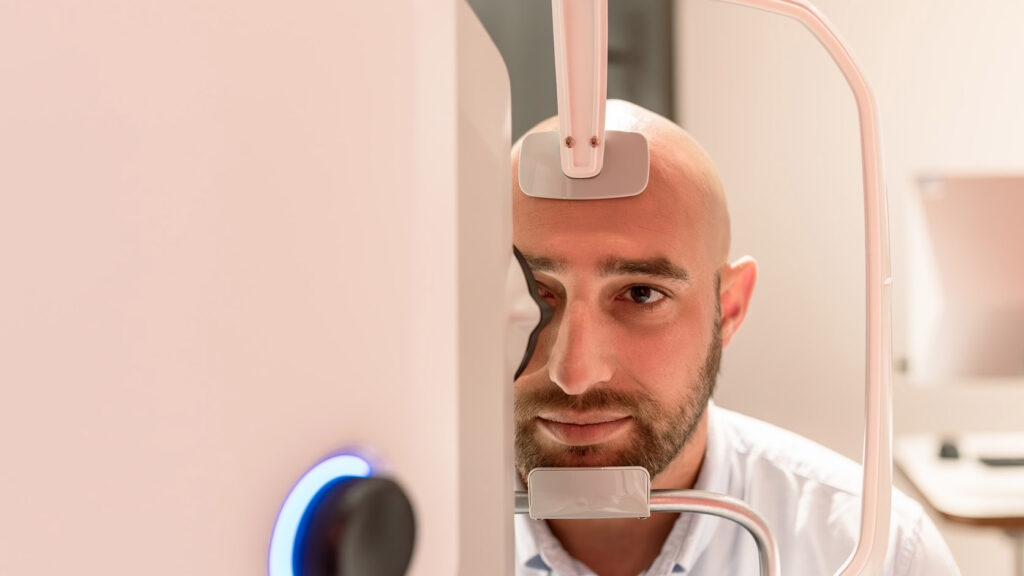
Is Laser Eye Surgery Safe in 2026? Separating Fact from Fiction
If you’ve ever typed something like “risk of laser eye surgery” into a search bar, you’re not alone. Plenty of people considering vision correction want straight answers before making a decision that affects their sight. That’s fair. Your eyes are precious. And the word surgery can carry weight.
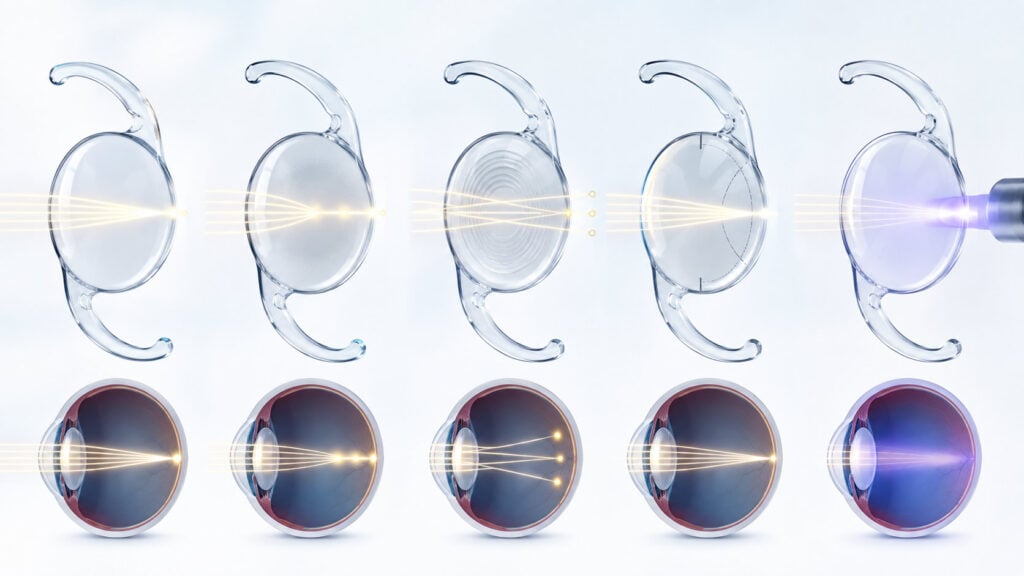
What Do We Mean by Clear Lens Exchange?
Clear Lens Exchange is a form of vision correction surgery in which the eye’s natural lens is removed and replaced with an artificial intraocular lens. The procedure can correct an existing prescription, address age-related changes in near vision and reduce a person’s dependence on glasses or contact lenses.
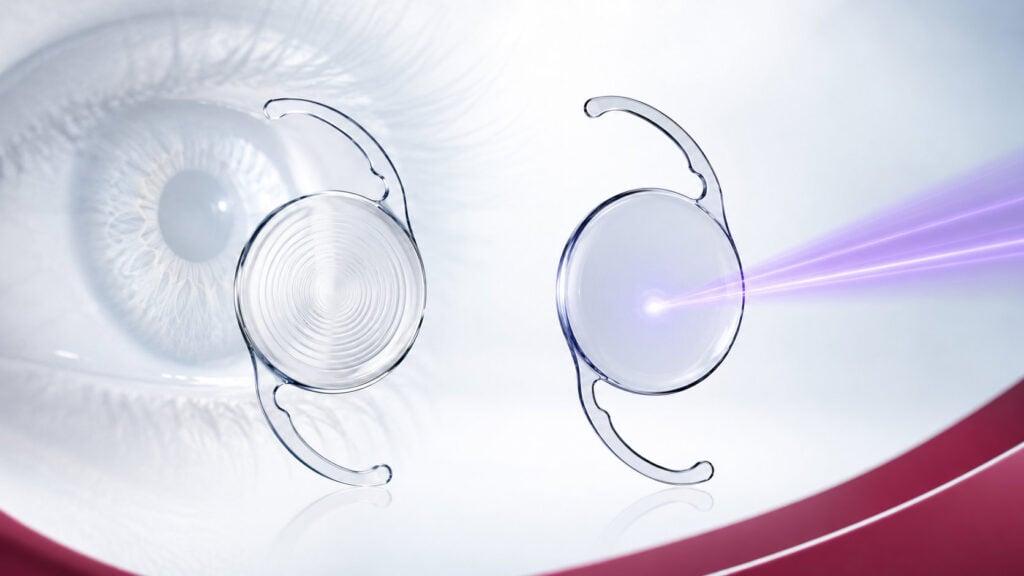
Trifocal Implantable Lenses Vs Light Adjustable Lenses
Trifocal implantable lenses and Light Adjustable Lenses are two advanced options for patients undergoing cataract surgery or refractive lens exchange. Both replace the eye’s natural lens, but they approach visual freedom in fundamentally different ways.
Latest Press
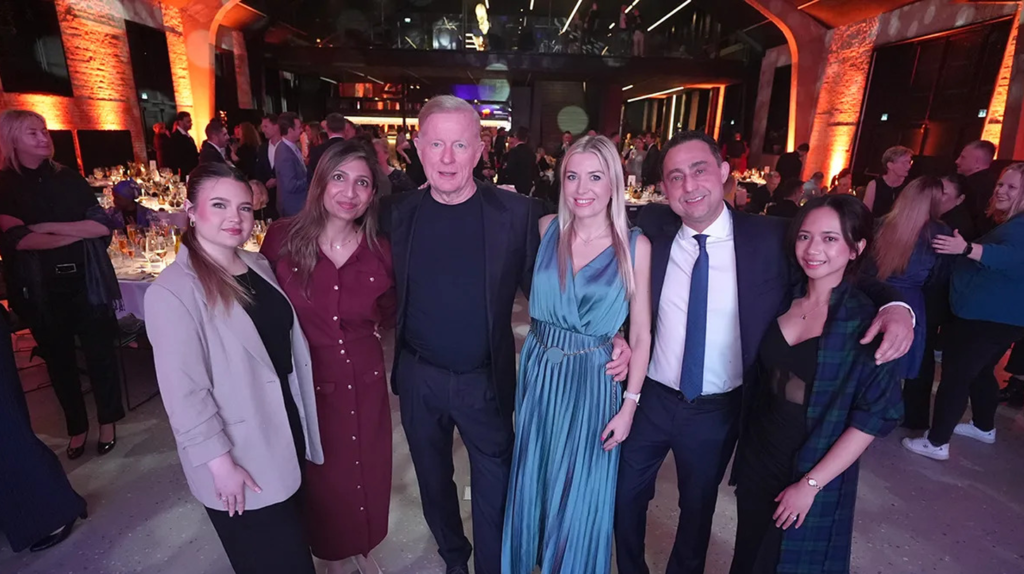
EuroEyes International Meeting 2026! Advancing Vision Care Together
In January 2026, EuroEyes brought together eye care specialists and team members from across Europe for a landmark international meeting in Sønderborg, Denmark. Hosted at the prestigious Hotel Alsik, this was one of the largest gatherings of the EuroEyes family to date, uniting clinicians, surgical experts, business leaders, and innovators from clinics in Germany, England, Denmark and Switzerland for three days of professional exchange and collaboration.
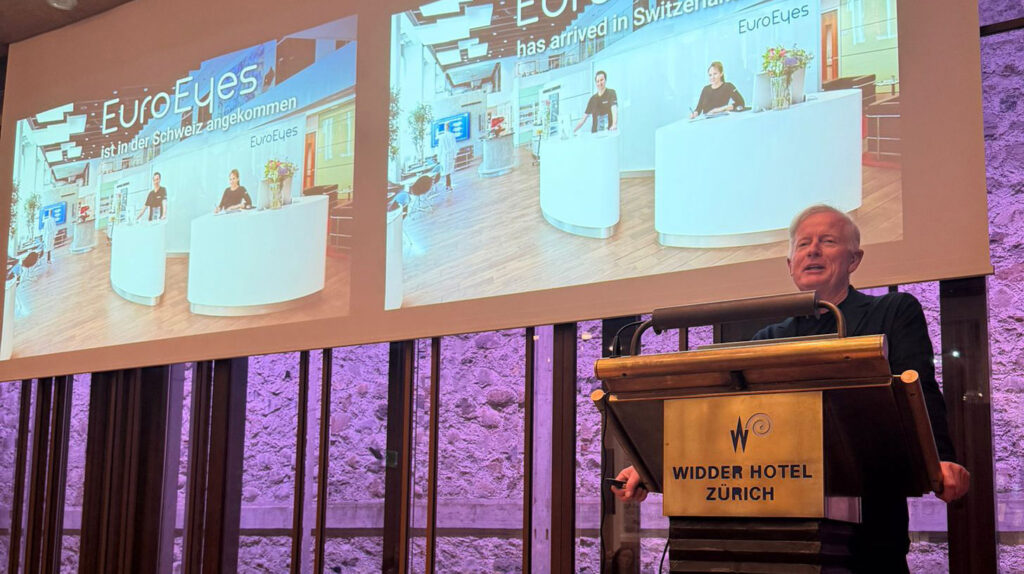
EuroEyes Celebrates a Spectacular Opening in Zurich
EuroEyes marked its official launch in Switzerland with a prestigious opening event at the Widder Hotel in Zurich on 20 November. The evening brought together exciting insights into modern ophthalmology, the unveiling of a world-first innovation in implantable lenses, and compelling real-life testimonials. A major highlight was the presentation of an international award from ZEISS for the highest number of trifocal lens implantations worldwide! A recognition that reinforced EuroEyes’ position as a global leader.
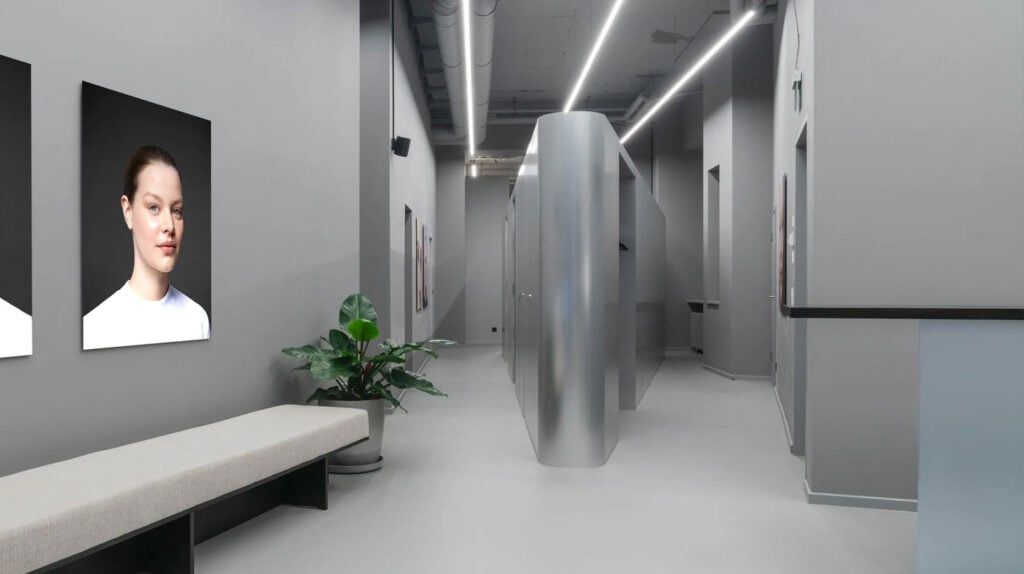
EuroEyes Celebrates Official Opening in Zürich
On 20 November 2025, EuroEyes officially opened its new clinic in Zürich. The launch event marked an exciting milestone for the expansion of the EuroEyes Group into Switzerland, bringing cutting-edge refractive surgery and lens-based eye care to patients across the country.
Following a warm welcome from Dr. Jørn S. Jørgensen, founder and CEO of the EuroEyes Clinic Group, guests were given an inside look into EuroEyes’ vision for Switzerland. With seven new clinics opening nationwide, EuroEyes is setting a new standard for advanced SMILE laser surgery, ICL implantation, and presbyopia and cataract treatment in the region.

Meet the Expert: Dr. Jørn S. Jørgensen on Correcting Presbyopia, Never Need Glasses Again!
Millions of people begin to notice it around the age of 45: reading the newspaper, using a smartphone, or checking a menu suddenly requires holding it farther away. What once appeared crisp now looks blurry up close. It’s a moment many recognise, the first sign of presbyopia, or age-related farsightedness.
To better understand the condition and explore modern treatments, we spoke with Dr. Jørn S. Jørgensen, founder of the EuroEyes Clinic Group and one of the world’s leading ophthalmic surgeons.
