
EuroEyes Education Panel
Stay informed with expert-led articles on laser eye surgery, ICL implants, cataract solutions,
and personalised vision care from the specialists at EuroEyes UK.

Presbyopia Is The Modern Solution for Life Without Reading Glasses
For many people, the first signs of ageing are not grey hairs or wrinkles. Instead, they arrive when reading a text message becomes difficult, restaurant menus appear blurry or your arms suddenly feel too short to hold a newspaper comfortably.

Alternatives to Varifocal Glasses
Varifocal glasses are often seen as the standard solution for age-related near vision loss. In theory, they sound ideal: one pair of glasses designed to help you see clearly at distance, up close and somewhere in between.

Why Are Some Laser Eye Surgery Clinics in London More Expensive Than Others?
When researching laser eye surgery in London, many patients are surprised by the difference in pricing. One clinic may advertise treatment from £600 per eye, while another quotes £1,200, £2,000 or even more for what appears to be the same procedure.

Can Eye Exercises Really Help Presbyopia? The Truth About Ageing Eyes
Many people begin to notice changes in their near vision from around the age of 40. Small text becomes harder to read, phone screens feel less sharp, and books or menus often need to be held further away. This natural change is called presbyopia, or age-related long-sightedness.
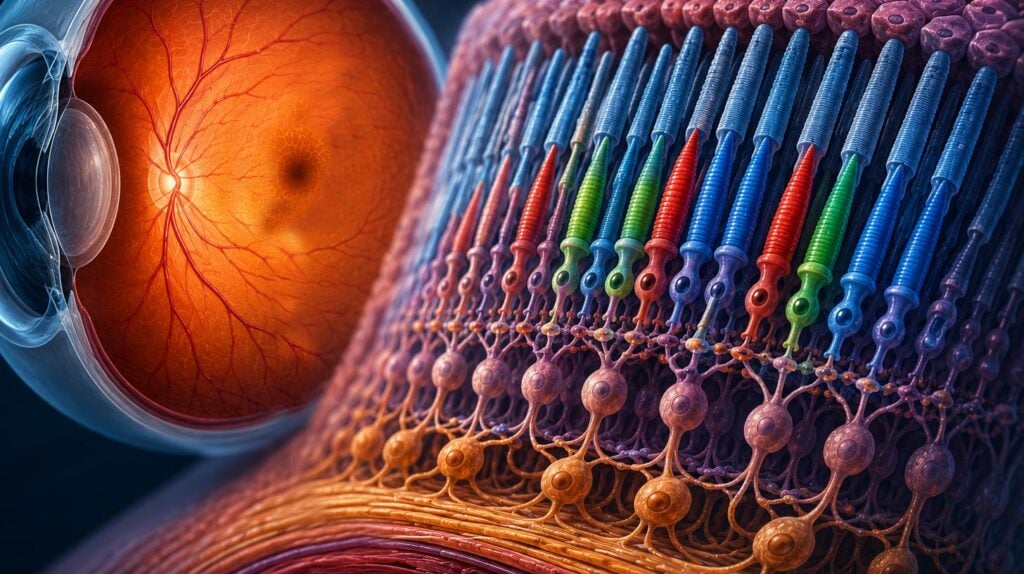
The Retina of the Eye and Why It Is So Important for Vision
Most people never think about their retina until something goes wrong. Vision simply feels automatic. You wake up, open your eyes, recognise faces, read messages, drive through London traffic, notice colours, movement, depth, and light, all without consciously thinking about the complex biological system making it possible.
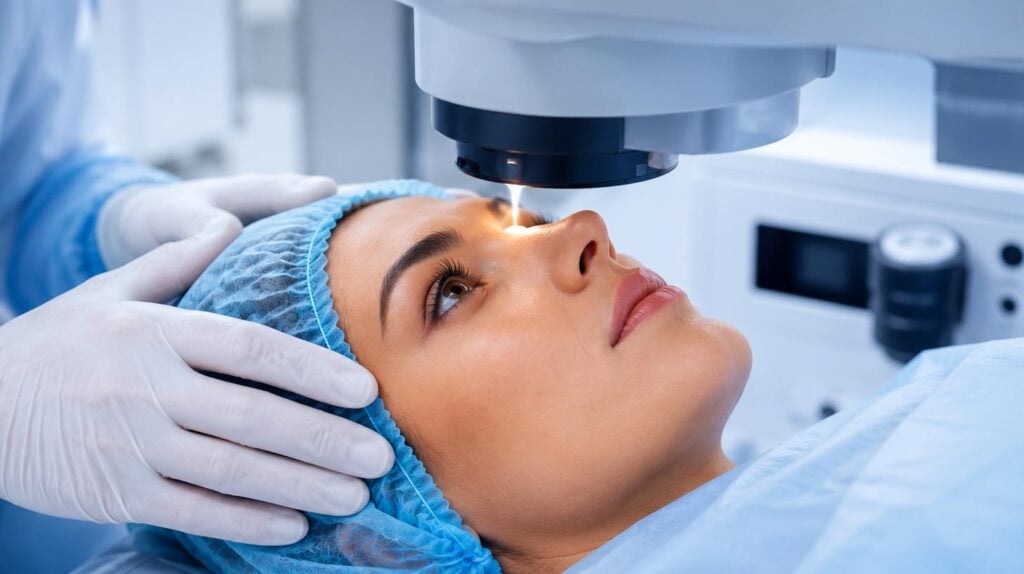
The LASIK Flap Explained and Why It Matters During Laser Eye Surgery
For many patients, the word LASIK sounds reassuringly familiar. They know it is one of the world’s most established forms of laser eye surgery. They know friends who have had it. They may even know someone who walked out seeing clearly the very next day.
Latest Press

EuroEyes International Meeting 2026! Advancing Vision Care Together
In January 2026, EuroEyes brought together eye care specialists and team members from across Europe for a landmark international meeting in Sønderborg, Denmark. Hosted at the prestigious Hotel Alsik, this was one of the largest gatherings of the EuroEyes family to date, uniting clinicians, surgical experts, business leaders, and innovators from clinics in Germany, England, Denmark and Switzerland for three days of professional exchange and collaboration.
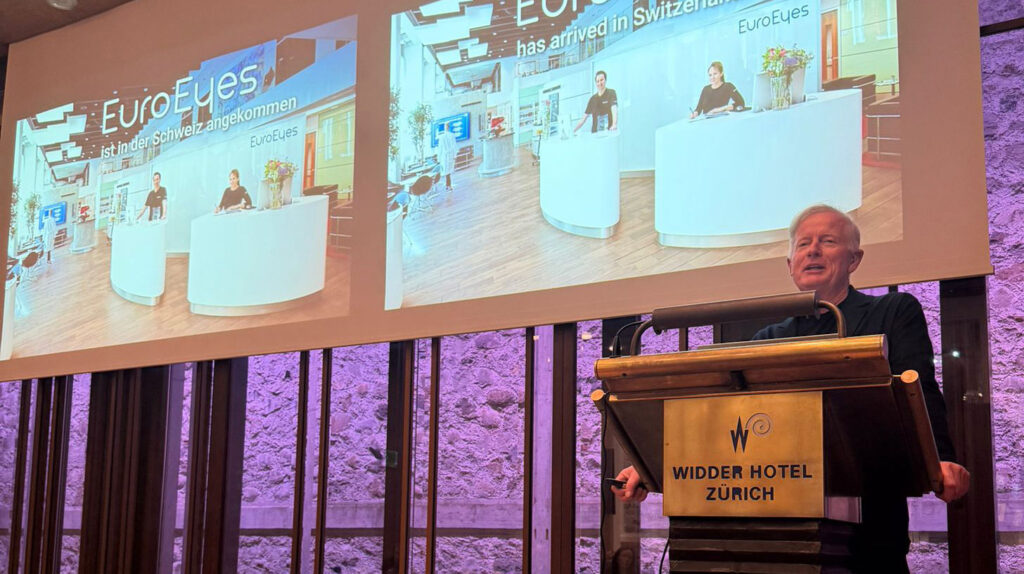
EuroEyes Celebrates a Spectacular Opening in Zurich
EuroEyes marked its official launch in Switzerland with a prestigious opening event at the Widder Hotel in Zurich on 20 November. The evening brought together exciting insights into modern ophthalmology, the unveiling of a world-first innovation in implantable lenses, and compelling real-life testimonials. A major highlight was the presentation of an international award from ZEISS for the highest number of trifocal lens implantations worldwide! A recognition that reinforced EuroEyes’ position as a global leader.
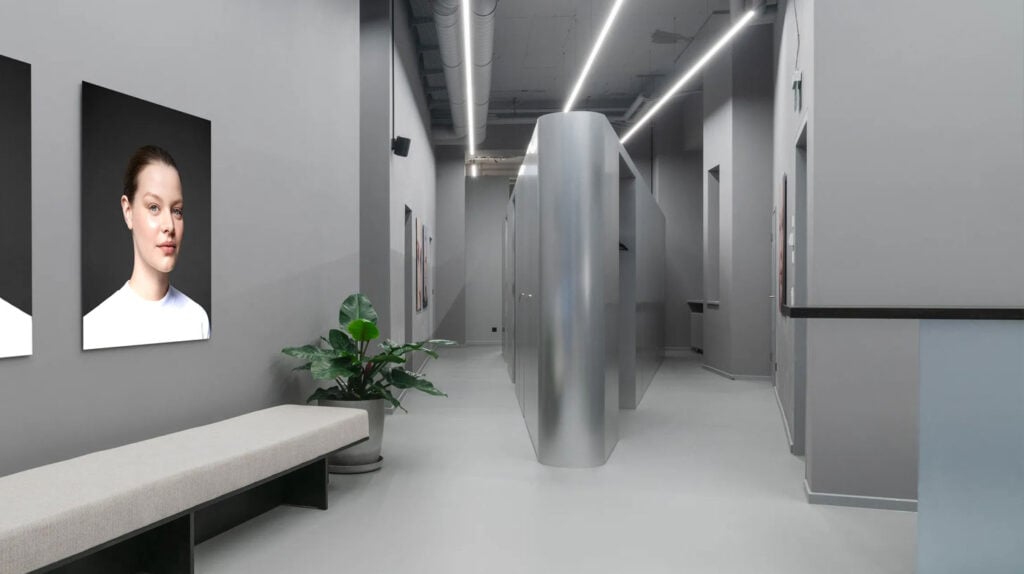
EuroEyes Celebrates Official Opening in Zürich
On 20 November 2025, EuroEyes officially opened its new clinic in Zürich. The launch event marked an exciting milestone for the expansion of the EuroEyes Group into Switzerland, bringing cutting-edge refractive surgery and lens-based eye care to patients across the country.
Following a warm welcome from Dr. Jørn S. Jørgensen, founder and CEO of the EuroEyes Clinic Group, guests were given an inside look into EuroEyes’ vision for Switzerland. With seven new clinics opening nationwide, EuroEyes is setting a new standard for advanced SMILE laser surgery, ICL implantation, and presbyopia and cataract treatment in the region.

Meet the Expert: Dr. Jørn S. Jørgensen on Correcting Presbyopia, Never Need Glasses Again!
Millions of people begin to notice it around the age of 45: reading the newspaper, using a smartphone, or checking a menu suddenly requires holding it farther away. What once appeared crisp now looks blurry up close. It’s a moment many recognise, the first sign of presbyopia, or age-related farsightedness.
To better understand the condition and explore modern treatments, we spoke with Dr. Jørn S. Jørgensen, founder of the EuroEyes Clinic Group and one of the world’s leading ophthalmic surgeons.
