
EuroEyes Education Panel
Stay informed with expert-led articles on laser eye surgery, ICL implants, cataract solutions,
and personalised vision care from the specialists at EuroEyes UK.
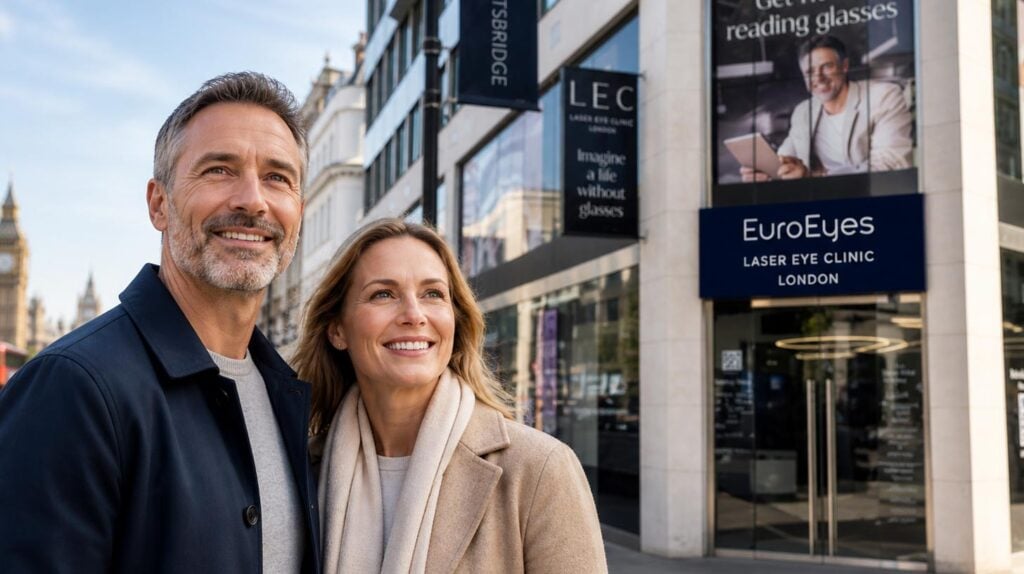
Thinking About Contact Lens Implants in London?
Contact lens implant surgery, also known as ICL surgery, typically costs from around £3,500 per eye in London in 2026. The exact price depends on the type of lens used, the complexity of your prescription, and the level of care provided by the clinic. At premium providers such as EuroEyes, the cost reflects advanced lens technology, experienced surgeons, and structured aftercare designed to support long-term results.
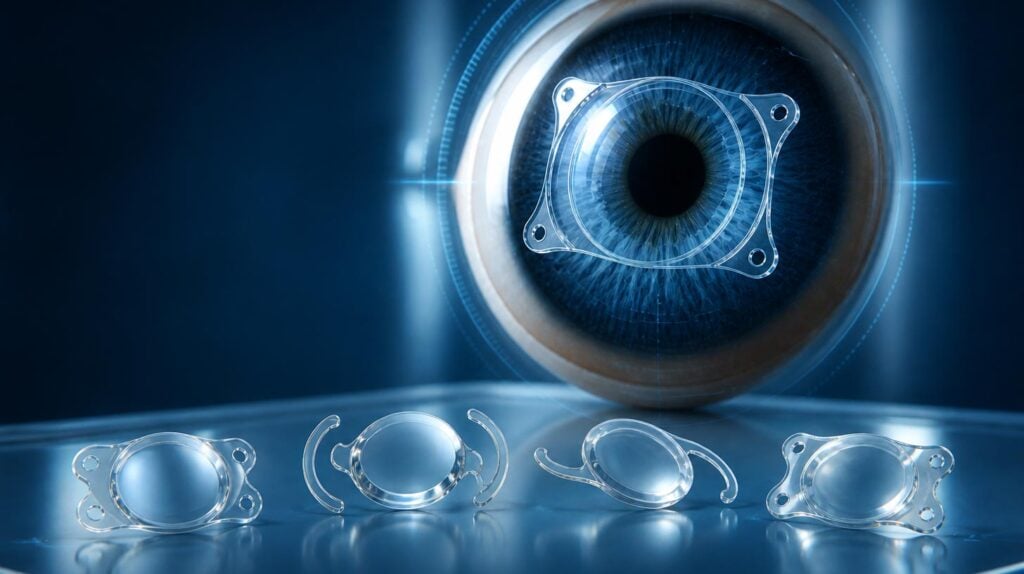
Surgical Eye Implantable Lenses Explained
Surgical eye implantable lenses are advanced lenses placed inside the eye to correct vision, either by replacing the natural lens or working alongside it to improve clarity. Patients often reach this stage with a mix of terms in their head, surgical lenses, artificial lenses, implantable lenses, even “permanent contact lenses”.
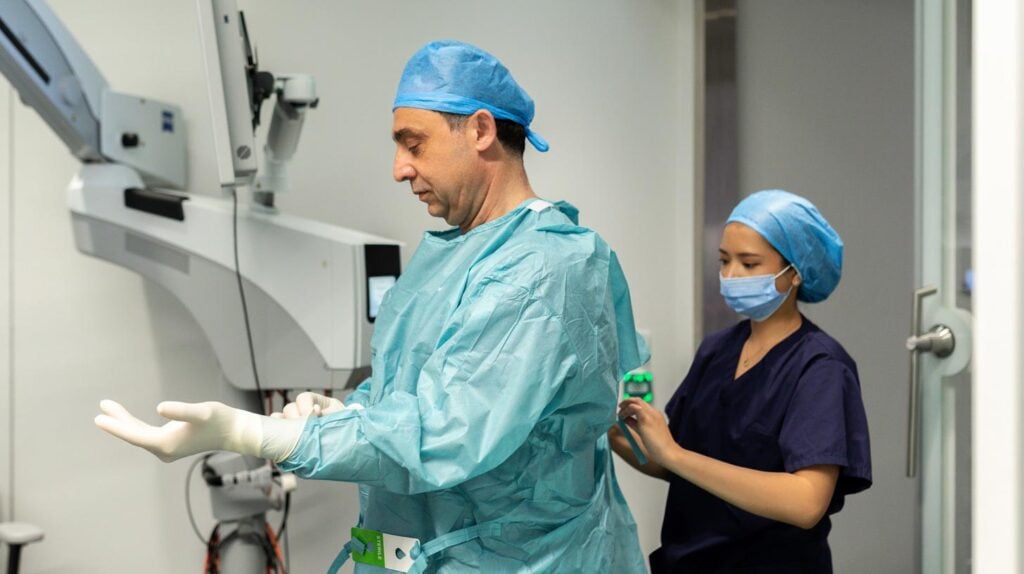
Is Refractive Lens Exchange the Same as Cataract Surgery?
Refractive lens exchange and cataract surgery use the same procedure, removing the natural lens and replacing it with an artificial one, but they are performed for different reasons. Cataract surgery treats a cloudy lens, while refractive lens exchange is done earlier to improve vision before cataracts develop.
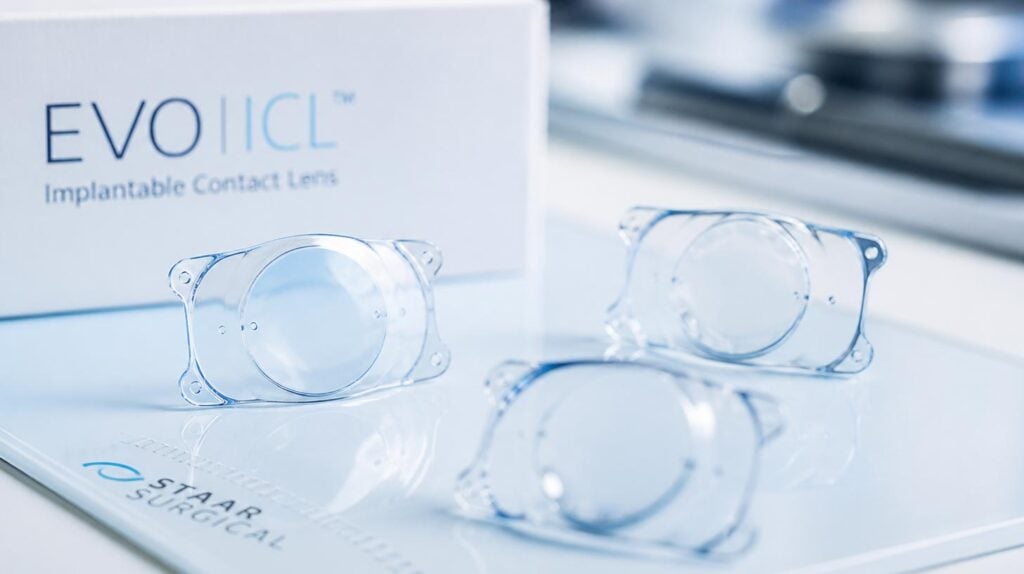
How Long Do Implantable Contact Lenses Last?
Implantable contact lenses, often referred to as ICLs, are designed to last a lifetime. In most cases, the lens remains stable in the eye for decades without needing replacement. That said, natural age-related changes, such as cataracts, may still require treatment later in life.
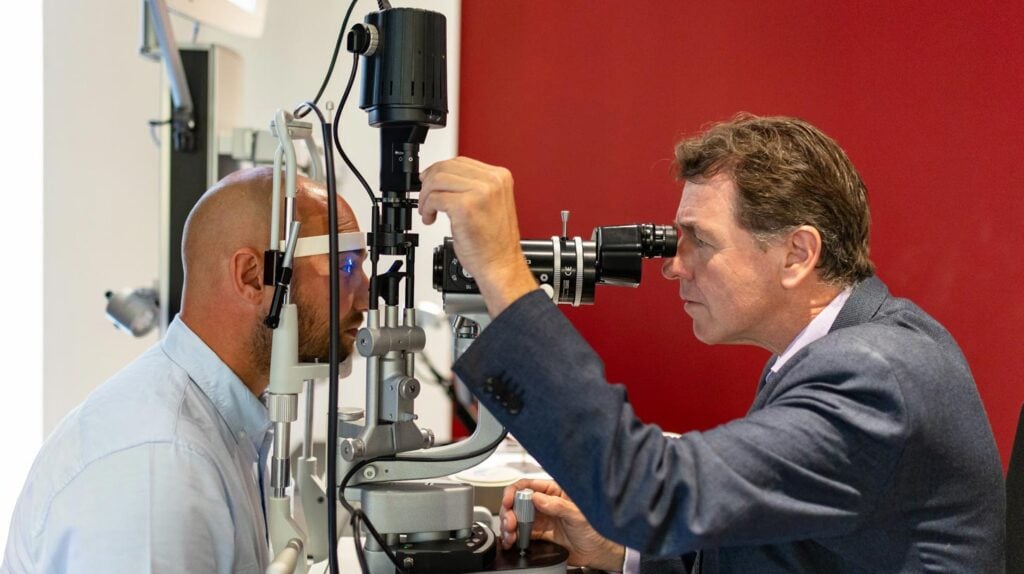
Can Implantable Contact Lenses Fix Astigmatism?
Yes, implantable contact lenses can fix astigmatism. In particular, toric ICL lenses are designed to correct both astigmatism and short- or long-sightedness at the same time, helping patients achieve clear, stable vision without relying on glasses or contact lenses.
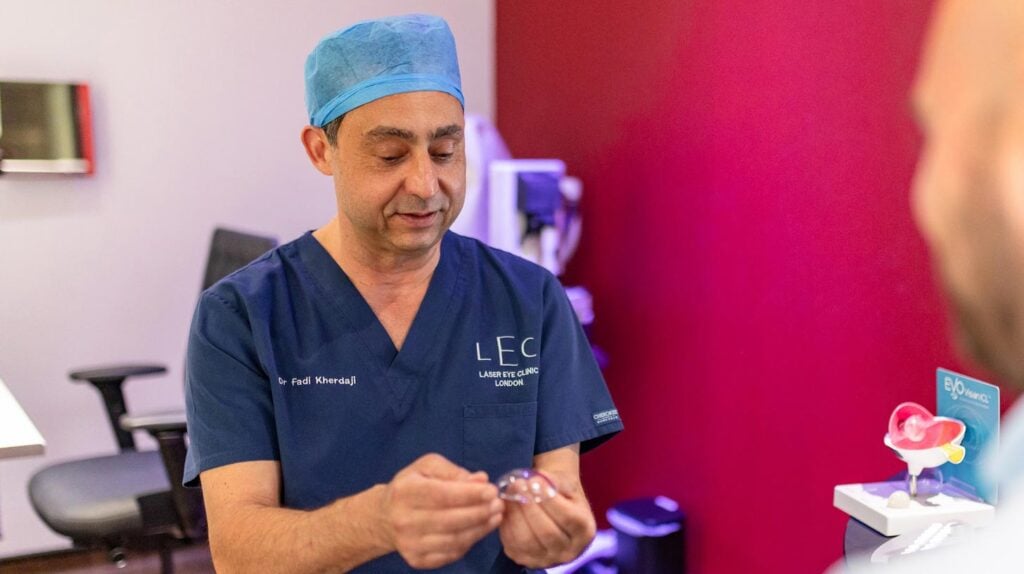
Are Trifocal and Multifocal Lenses the Same?
I get asked this question more often than you’d think.
Usually halfway through a consultation, just as everything starts to sound a bit too technical.
“Wait… are trifocal and multifocal lenses the same thing?”
Latest Press
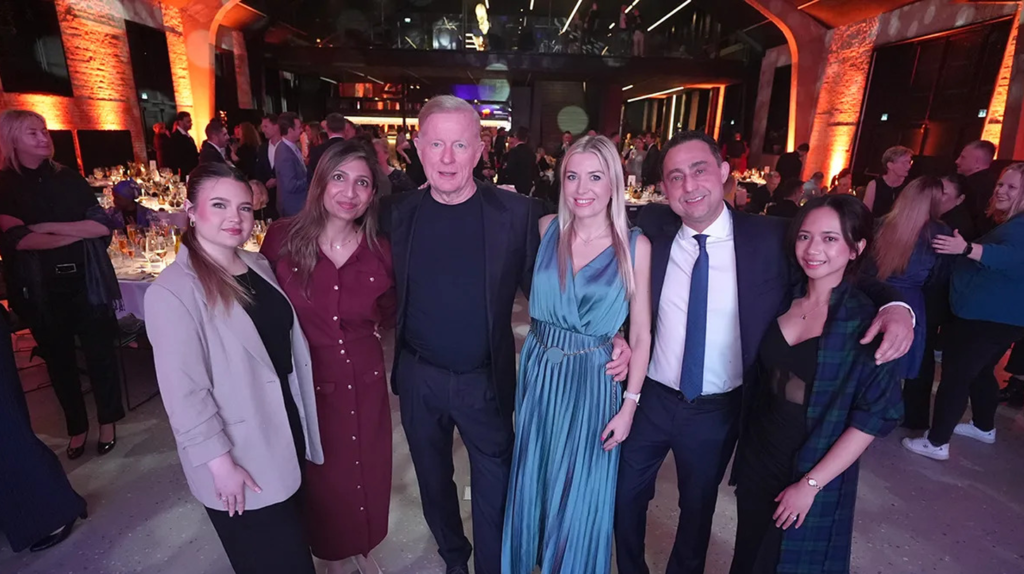
EuroEyes International Meeting 2026! Advancing Vision Care Together
In January 2026, EuroEyes brought together eye care specialists and team members from across Europe for a landmark international meeting in Sønderborg, Denmark. Hosted at the prestigious Hotel Alsik, this was one of the largest gatherings of the EuroEyes family to date, uniting clinicians, surgical experts, business leaders, and innovators from clinics in Germany, England, Denmark and Switzerland for three days of professional exchange and collaboration.
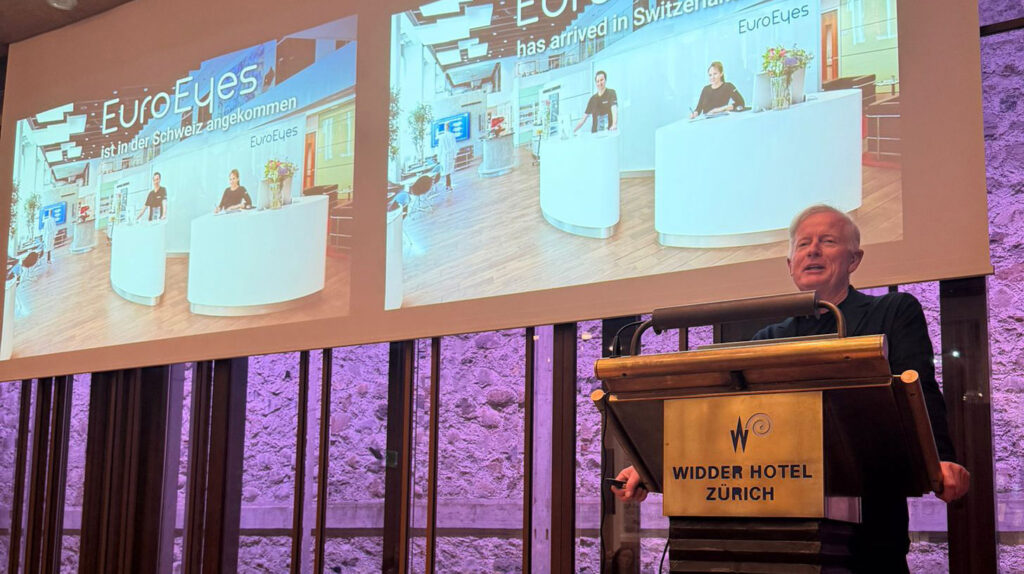
EuroEyes Celebrates a Spectacular Opening in Zurich
EuroEyes marked its official launch in Switzerland with a prestigious opening event at the Widder Hotel in Zurich on 20 November. The evening brought together exciting insights into modern ophthalmology, the unveiling of a world-first innovation in implantable lenses, and compelling real-life testimonials. A major highlight was the presentation of an international award from ZEISS for the highest number of trifocal lens implantations worldwide! A recognition that reinforced EuroEyes’ position as a global leader.
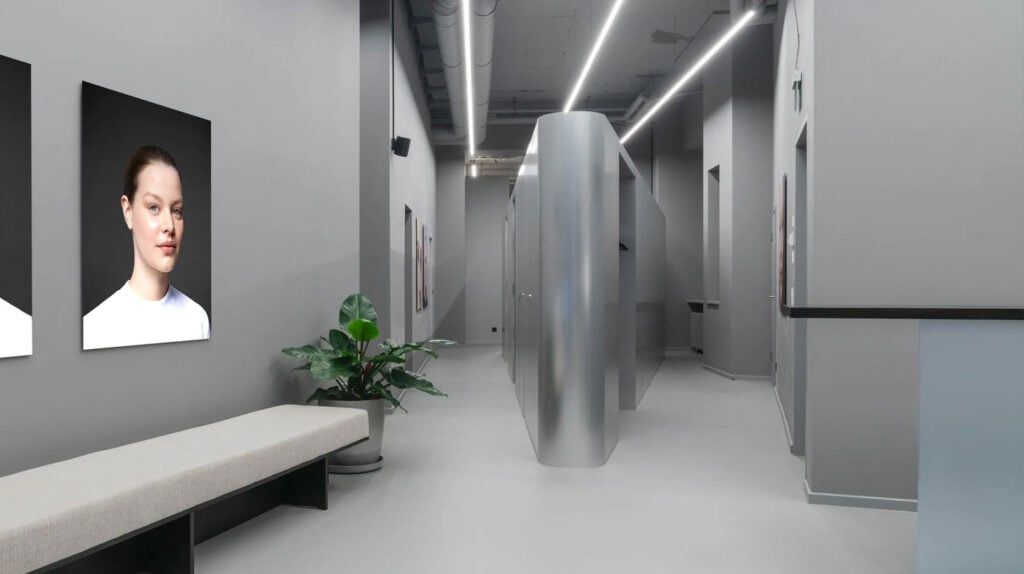
EuroEyes Celebrates Official Opening in Zürich
On 20 November 2025, EuroEyes officially opened its new clinic in Zürich. The launch event marked an exciting milestone for the expansion of the EuroEyes Group into Switzerland, bringing cutting-edge refractive surgery and lens-based eye care to patients across the country.
Following a warm welcome from Dr. Jørn S. Jørgensen, founder and CEO of the EuroEyes Clinic Group, guests were given an inside look into EuroEyes’ vision for Switzerland. With seven new clinics opening nationwide, EuroEyes is setting a new standard for advanced SMILE laser surgery, ICL implantation, and presbyopia and cataract treatment in the region.

Meet the Expert: Dr. Jørn S. Jørgensen on Correcting Presbyopia, Never Need Glasses Again!
Millions of people begin to notice it around the age of 45: reading the newspaper, using a smartphone, or checking a menu suddenly requires holding it farther away. What once appeared crisp now looks blurry up close. It’s a moment many recognise, the first sign of presbyopia, or age-related farsightedness.
To better understand the condition and explore modern treatments, we spoke with Dr. Jørn S. Jørgensen, founder of the EuroEyes Clinic Group and one of the world’s leading ophthalmic surgeons.
