If you’ve ever struggled to see distant objects clearly, you might be experiencing myopia, commonly known as nearsightedness. Myopia is a common eye condition that affects millions worldwide, causing distant objects to appear blurry while close-up vision remains clear. But what does it really mean to be “myopic”? And how does myopia differ from other terms like short-sightedness or farsightedness?
讓我們探討一下近視意味著什麼,澄清「近視」和「近視」等相關術語之間的區別。我們還將解釋近視與其相反的遠視有何不同,並了解近視對您的眼睛健康和日常生活意味著什麼。
Myopia At A Glance
| Quick Fact | 意義 |
|---|---|
| Also known as | Nearsightedness or short-sightedness. |
| Main symptom | Distant objects appear blurry, while close-up vision usually remains clear. |
| Why it happens | Light focuses in front of the retina instead of directly on it, often because the eye is slightly too long or the cornea is too steeply curved. |
| When it often starts | Myopia commonly develops during childhood or teenage years and may progress as the eyes grow. |
| Can it be corrected? | Yes. Options include glasses, contact lenses, LASIK, SMILE Pro and ICL, depending on prescription, age and eye health. |
| Surgeon’s view | The prescription number is only the starting point. Corneal thickness, eye shape, retinal health and lifestyle all help determine the safest and most effective treatment. |
定義近視
近視是指近視的情況,由於眼睛將影像聚焦在視網膜前方而不是直接在視網膜上,因此遠處的物體看起來模糊。近視(近視)的反義詞是遠視,指的是遠視。在這種情況下,附近的物體看起來模糊,因為眼睛將影像聚焦在視網膜後面而不是直接在視網膜上。然而,遠視是與近視不同的疾病。
近視和近視
While the terms ‘short-sightedness’ and ‘nearsightedness’ are often used interchangeably, they both refer to the same condition, myopia or ‘short eyesight’ understanding their similarities can help clarify this common vision issue.
術語解釋
The different terms: “nearsightedness” in American English and “short-sightedness” in British English, describe the same visual challenge but can sometimes lead to confusion for those encountering both terms.
為什麼這些術語可以互換
儘管這些術語因地區而異,但它們都解釋相同的眼睛狀況。語言差異與病情的性質或嚴重程度無關。無論您聽到有人稱之為“近視”還是“近視”,他們都在談論近視。造成這種情況的原因是眼球形狀太長,或是角膜彎曲太陡,導致光線聚焦在視網膜前面。
近視的全球盛行率
近視是全世界最常見的視力狀況之一,影響各個年齡層和地區的人們。它的流行甚至引發了關於眼睛健康的更多討論,因為研究表明近視率正在上升,特別是在兒童和年輕人中。將「近視」和「短視」這兩個術語理解為可互換的,可以更輕鬆地獲取有關管理和治療近視的相關資訊。
近視眼
檢查近視眼時,主要區別在於其細長的形狀。在典型的眼睛中,光線會透過角膜和水晶體進入,直接聚焦在眼睛後部的視網膜上。然而,近視眼的眼球比正常眼睛稍長。這種伸長導致光線聚焦在視網膜前面,而不是直接聚焦在視網膜上,導致觀看遠處物體時視力模糊。

作為外科醫生,我們也觀察到近視眼的角膜曲率可能會增加,進一步導致聚焦問題。這會產生屈光不正,從而導致模糊。在矯正手術中,例如 LASIK 或 SMILE Pro,我們的目標是重塑角膜,將其稍微壓平以重新引導光線,使其正確聚焦在視網膜上。這個過程需要精確度,因為最輕微的調整都會使視覺清晰度產生顯著差異。
The myopic eye’s structure is something we carefully consider when tailoring treatment plans, ensuring that the procedure is customised to each patient’s unique eye anatomy for the best possible outcomes.
近視如何形成及預防技巧
| 近視如何發展 | 預防技巧 |
|---|---|
| 遺傳:近視通常有家族遺傳。如果父母一方或雙方都是近視,他們的孩子罹患近視的可能性就會更高。 | 定期眼科檢查:儘早開始眼科檢查,特別是如果有近視家族史,這樣可以儘早採取矯正措施。 |
| 長時間近距離工作:長時間從事近距離活動,例如閱讀、使用數位螢幕或學習,可能會導致近視發展,尤其是兒童。 | 依照 20-20-20 法則休息:每 20 分鐘,休息 20 秒,看看 20 英尺外的物體。這有助於減少近距離工作時的眼睛疲勞。 |
| 缺乏戶外時間:接觸自然光的時間有限與近視率升高有關,尤其是兒童和青少年。 | Spend Time Outdoors: Aim for at least 1-2 hours outside daily. Natural light may help slow myopia progression in young people. |
| 光線和姿勢不佳:在昏暗的光線下閱讀或工作,或將閱讀材料拿得太近,都會使眼睛疲勞並導致近視。 | Use Good Lighting and Proper Distance: Ensure there’s adequate lighting when reading or working, and keep screens or books at a comfortable distance (about 30-40 cm) or consider eye exercises. |
| 數位眼睛疲勞:長時間看螢幕可能會導致眼睛疲勞,這可能會加劇某些人的近視。 | 限制螢幕時間:盡可能減少數位裝置的使用,並將螢幕亮度調整到舒適的水平,以防止眼睛疲勞。 |
我們能逆轉近視嗎?
德視佳提供一系列量身訂製的近視矯正方案,從多功能 LASIK 到微創 ReLEx SMILE 以及針對高度近視的專門 ICL 手術,每種方案均旨在滿足不同患者的獨特需求。
LASIK:處方穩定的成年人的多功能選擇
LASIK (雷射輔助原位角膜磨鑲術)是最廣泛使用的矯正近視手術之一,為處方穩定的成年人提供了可靠、高效和變革性的選擇。在 LASIK 手術期間,德視佳外科醫生使用雷射在角膜上製作一個小瓣,然後重塑下面的組織以調整光線在視網膜上的聚焦方式。這種快速有效的手術具有最短的停機時間,使患者在手術後不久即可享受更清晰的視力,無需佩戴眼鏡或隱形眼鏡。
客戶範例:德視佳 (EuroEyes) 的一位患者丹尼爾 (Daniel) 是一名 38 歲的軟體工程師,從十幾歲起就一直與近視作鬥爭。接受 LASIK 手術後,丹尼爾報告說清晰度立即得到改善,並指出他終於可以在沒有視覺輔助的情況下閱讀遠處的文字並享受戶外活動。他將這一結果描述為“改變了生活”,讓他 20 年來第一次享受了無鏡片的生活方式。
ReLEx SMILE:適合年輕患者和積極生活方式的微創選擇
ReLEx SMILE (Small Incision Lenticule Extraction) is an innovative and minimally invasive procedure, particularly suited for younger patients or those with active lifestyles. This technique requires only a small incision in the cornea, preserving more of the eye’s natural structure compared to LASIK. Using advanced laser technology, a tiny lens-shaped piece of tissue is removed from the cornea, reshaping it to correct myopia. With a quick recovery time, SMILE offers patients a clear vision with reduced risk of dry eyes, ideal for those on the go.
客戶範例:莎拉 (Sarah) 是一位 26 歲的私人教練,在運動期間視力出現問題後,她向德視佳 (EuroEyes) 尋求 SMILE 手術。手術後幾天,莎拉對自己視力的增強感到非常興奮,她說,她的新清晰度讓她「可以自由地鍛鍊並充滿信心地指導她的客戶」。她的結果證明了 ReLEx SMILE 如何提高積極生活方式人士的生活品質。

ICL(植入式隱形眼鏡):適合高度近視或不適合雷射手術的人士
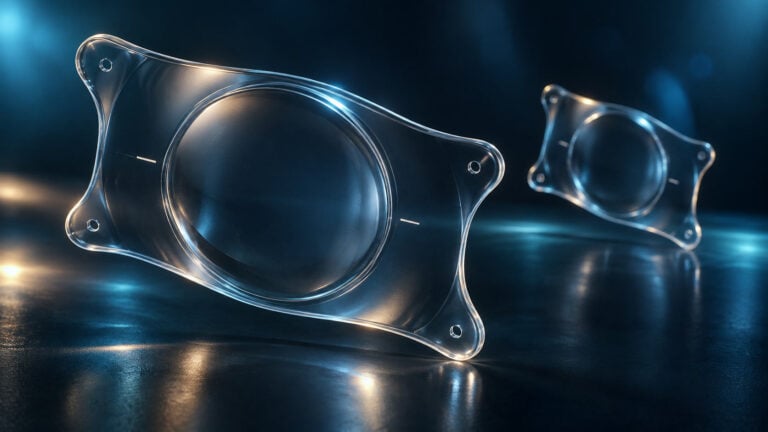
ICL(植入式隱形眼鏡)對於嚴重近視患者或眼睛解剖結構不適合接受 LASIK 或 SMILE 治療的患者來說是一種獨特的選擇。在此過程中,將客製化的水晶體植入虹膜後方和自然水晶體的前面,為高度近視提供可逆的長期解決方案。 ICL 手術對於那些尋求永久性視力矯正而不需要角膜整形的人來說是理想的選擇,特別適合屈光不正程度較高的人。
客戶範例:托馬斯,45 歲,患有嚴重近視(-12.0 屈光度),不符合 LASIK 手術資格。德視佳推薦了 ICL,這極大地改善了他的視力,達到近乎完美的清晰度。手術後,托馬斯分享了他現在如何在沒有厚重的處方眼鏡的情況下享受家庭聚會和戶外活動,稱這是「一種他以前不知道的緩解」。他的經驗凸顯了 ICL 如何為嚴重近視患者帶來視覺自由的新世界。
The Myopia Scale
The dioptre scale illustrates the strength of a myopia prescription. Myopia is measured in negative dioptres (D), which indicate how much focusing power is required to bring distant objects into clear focus on the retina. The more negative the number, the longer the eye typically is relative to its focusing system. This means light entering the eye focuses in front of the retina instead of directly on it, resulting in blurred distance vision.
The scale helps categorise myopia into low, moderate, high and very high ranges. While these categories are useful for understanding prescription strength, they are not simply labels, they influence how surgeons assess risk, stability and treatment options.
Myopia Prescription Scale (Dioptres)
Myopia prescriptions are measured in dioptres (D). The more negative the number, the stronger the myopia.
This guide offers a simple way to understand where your prescription sits.
Note: A prescription number alone does not determine suitability for laser or lens surgery. Corneal thickness, shape,
eye health and retinal findings matter. A clinical assessment is always required.
Why Surgeons Use Dioptre Ranges in Clinical Decision-Making
Surgeons do not rely on prescription strength alone, but the dioptre range provides a starting point. It helps determine which modern technologies are most appropriate and safe.
- Low to Moderate Myopia (-0.50 to -6.00 D): Often suitable for corneal laser procedures such as LASIK or SMILE, depending on corneal thickness and shape.
- High Myopia (-6.00 D and above): Requires more detailed assessment. Corneal laser may not always be ideal, and implantable collamer lenses (ICL) may offer superior optical quality and safety.
- Very High Myopia (-10.00 D and beyond): Lens-based procedures are frequently considered, and careful retinal evaluation becomes increasingly important.
The prescription range also helps identify patients who may require additional retinal monitoring. Higher levels of myopia are associated with increased lifetime risk of retinal detachment and other structural changes, which must be factored into any treatment plan.
How Modern Technology Has Changed Myopia Treatment
In the past, myopia correction was limited to glasses or contact lenses. Today, advanced diagnostic imaging allows surgeons to evaluate corneal thickness, topography, biomechanics and axial length with remarkable precision.
This means treatment is no longer based solely on the prescription number. Instead, surgeons combine:
- Dioptre measurement
- Corneal thickness mapping
- Wavefront optical analysis
- Axial length assessment
- Retinal health evaluation.
By integrating these data points, surgeons can determine whether laser reshaping of the cornea, lens-based correction such as ICL, or long-term myopia management strategies offer the best visual outcome and long-term safety.
Why the Prescription Number Alone Is Not Enough
Two patients with the same prescription may require completely different treatment approaches. One may have thick, healthy corneas suitable for laser correction, while another may benefit more from a lens-based procedure. The dioptre scale provides context. The full clinical assessment provides clarity.
Trust EuroEyes! Your London Eye Clinic
As surgeons at EuroEyes, we’re deeply committed to helping people reclaim their vision and transform their lives. Our expertise in advanced, life-changing procedures, whether it’s LASIK, SMILE, or ICL has already helped thousands across Europe and the UK achieve clearer vision and a new sense of freedom. At EuroEyes, you can trust that we’re dedicated to providing the highest standards of care, personalised to your needs. Join our family of patients who have taken the step towards perfect vision and start your journey to a brighter, lens-free future with us.