قصر النظر، المعروف باسم قصر النظر، هو حالة بصرية تؤثر على ملايين الأطفال في جميع أنحاء العالم. وفي حين أن قصر النظر في حد ذاته شائع نسبياً، فإن قصر النظر الشديد (أو قصر النظر الحاد) يمكن أن يؤدي إلى مجموعة من المشاكل الصحية للعين وزيادة خطر الإصابة بضعف البصر في مرحلة البلوغ. والخبر السار هو أن هناك تدابير استباقية يمكن للوالدين ومقدمي الرعاية اتخاذها للمساعدة في الوقاية من قصر النظر الشديد لدى الأطفال. في هذا الدليل الشامل، سوف نستكشف العوامل التي تسهم في تطور قصر النظر، والمخاطر المرتبطة بقصر النظر المرتفع، ومجموعة متنوعة من الاستراتيجيات والتدخلات للحد من تطوره لدى الأطفال.
فهم قصر النظر عند الأطفال
Myopia, commonly known as short-sightedness, causes distant objects to appear blurred while close-up vision often remains clear. A child may be able to read a book or use a tablet comfortably but struggle to recognise faces across a room or see the board clearly at school. Myopia most commonly develops when the eye grows longer than expected during childhood. This causes light to focus in front of the retina rather than directly upon it. Although changes in the cornea and the eye’s focusing system can also contribute, excessive growth in the length of the eye is the principal structural cause of progressive childhood myopia. Once myopia begins, it can continue to progress throughout childhood and adolescence as the eyes grow. Children who become short-sighted at a younger age have more time for their prescription to increase and may therefore face a greater risk of developing high myopia. Early detection is important because modern myopia-control strategies may help slow this progression and protect the child’s long-term eye health.
Childhood Myopia Is Becoming More Common
Childhood myopia is increasing in the UK and across the world. The rise has been particularly noticeable in urban environments, where children may spend more time studying, using digital devices and concentrating on close-up activities, with fewer opportunities for extended outdoor play. Research from the College of Optometrists indicates that myopia among UK children aged 10 to 16 has more than doubled over the past 50 years. One UK study recorded myopia in 16.4% of children aged 12 to 13, compared with 7.2% among children aged 10 to 16 during the 1960s. The pattern is also visible in London. A 10-year study involving 23,593 children attending specialist eye-care services found that the proportion of prescriptions issued for myopia increased from 24% to 32%. Among children who initially had mild or moderate myopia, 62% experienced further progression.
This matters because myopia is not simply a question of needing stronger glasses. As the eye becomes longer and the prescription increases, the tissues at the back of the eye can become more vulnerable. High myopia is associated with an increased lifetime risk of retinal detachment, myopic macular degeneration, glaucoma and cataracts. Recognising and managing myopia during childhood can therefore help protect vision well into adult life.
العوامل المساهمة في الإصابة بقصر النظر
تساهم عدة عوامل في تطور وتطور قصر النظر لدى الأطفال:
- الوراثة: غالبًا ما يسري قصر النظر في العائلات، مما يشير إلى وجود عنصر وراثي يهيئ بعض الأطفال للإصابة بقصر النظر.
- العوامل البيئية: يمكن أن يزيد العمل عن قرب لفترات طويلة، مثل القراءة واستخدام الشاشات الرقمية وغيرها من الأنشطة المقربة، من خطر الإصابة بقصر النظر
- عدم قضاء وقت كافٍ في الهواء الطلق: ارتبط عدم كفاية الأنشطة الخارجية والتعرض للضوء الطبيعي خلال مرحلة الطفولة بارتفاع احتمالية الإصابة بقصر النظر.
- الضغط الدراسي: يمكن أن تؤدي المتطلبات الأكاديمية العالية وساعات الدراسة الطويلة إلى زيادة العمل القريب، مما قد يساهم في تطور قصر النظر.
- التحضر: يمكن أن تحد البيئات الحضرية ذات المساحات الخارجية المحدودة من فرص الأطفال للعب في الهواء الطلق والتعرض لأشعة الشمس.
- نقص الوعي: قد لا يدرك العديد من الآباء والأمهات والأطفال أهمية تدابير مكافحة قصر النظر.
Consequences of Untreated Myopia In London
يمكن أن يكون لقصر النظر في مرحلة الطفولة عواقب وخيمة إذا لم تتم معالجته:
- التقدم السريع: يميل قصر النظر إلى التفاقم خلال مرحلتي الطفولة والمراهقة، مما يؤدي إلى وصفات طبية أقوى بشكل متزايد.
- قصر النظر الشديد: يرتبط قصر النظر الحاد (قصر النظر الشديد) بارتفاع خطر الإصابة بمضاعفات العين، بما في ذلك انفصال الشبكية والزرق وإعتام عدسة العين.
- انخفاض جودة الحياة: يمكن لقصر النظر غير المصحح أن يعيق قدرة الطفل على المشاركة في الرياضة والأنشطة الخارجية، مما يؤثر على جودة حياته بشكل عام.
- التأثير الأكاديمي: يمكن أن يؤثر قصر النظر على أداء الطفل في المدرسة إذا كان يعاني من صعوبة في رؤية السبورة أو قراءة الكتب المدرسية.
- العبء الاقتصادي: يمكن أن تكون التكلفة المالية لإدارة قصر النظر المرتفع ومضاعفاته كبيرة على مدى الحياة.
Childhood Myopia Is Increasing in London
A 10-year study reviewed 63,854 clinical records from 23,593 children attending specialist eye-care services in London. The findings revealed a clear increase in prescriptions for childhood myopia.
The study examined children attending secondary and tertiary eye-care services in London and should not be interpreted as a population-wide survey of every London child.
View the published research.
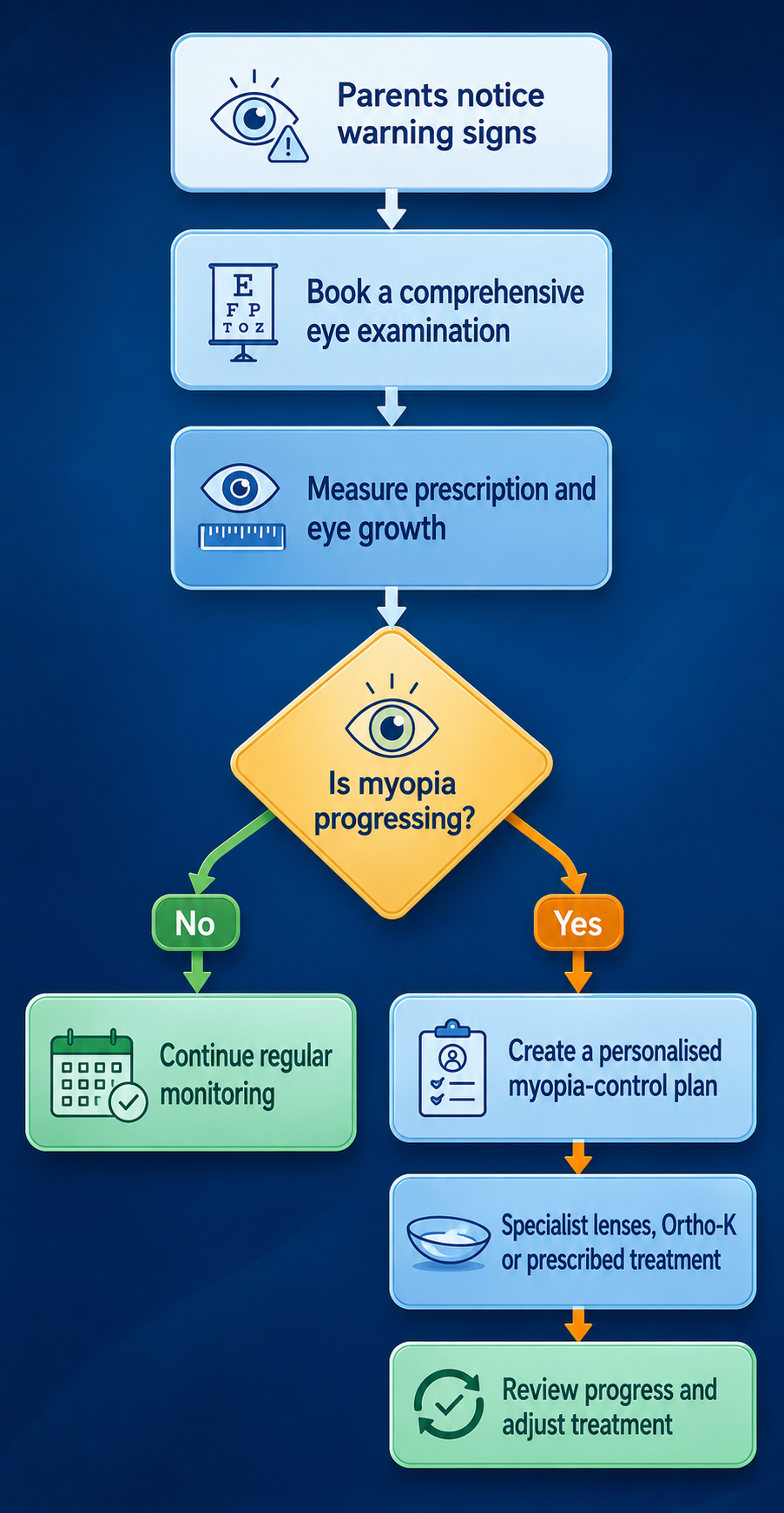
The Childhood Myopia Control Journey
Recognising the signs early allows changes in a child’s vision to be measured, monitored and managed before myopia progresses further.
Notice the Signs
Squinting, sitting near screens or struggling to see the board at school.
Book an Eye Examination
Assess the prescription, eye health and individual risk of progression.
Measure and Monitor
Record prescription changes and measure eye growth where appropriate.
Create a Control Plan
Consider specialist lenses, Ortho-K, prescribed treatment and lifestyle guidance.
Review Progress
Monitor the child regularly and adjust treatment as their eyes grow.
استراتيجيات الوقاية من ارتفاع قصر النظر لدى الأطفال
ونظراً للعواقب المحتملة على المدى الطويل لقصر النظر، فإن التدابير الاستباقية للسيطرة على قصر النظر لدى الأطفال أمر بالغ الأهمية. وقد أظهرت عدة استراتيجيات واعدة في إبطاء تطور قصر النظر والحد من تأثيره:
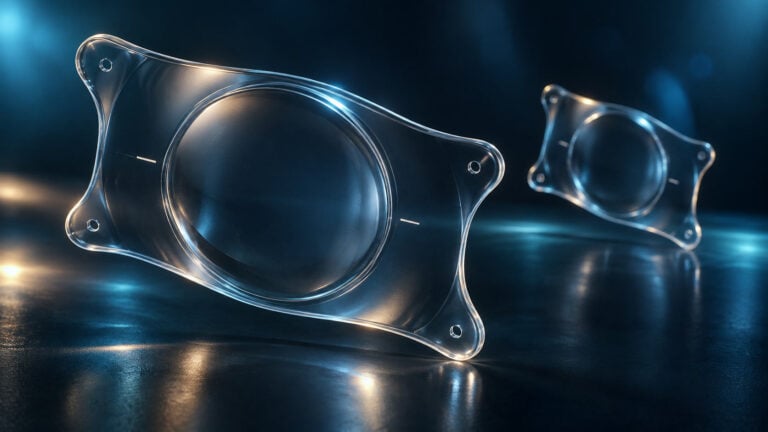
- تقويم العظام (Ortho-K): يتضمن تقويم عدسات Ortho-K استخدام عدسات لاصقة مصممة خصيصاً لإعادة تشكيل القرنية أثناء نوم الطفل. تتم إزالة هذه العدسات في الصباح، مما يوفر رؤية واضحة طوال اليوم. وقد أثبتت عدسات Ortho-K فعاليتها في إبطاء تطور قصر النظر.
- Multifocal Contact Lenses: Multifocal contact lenses, which have different prescriptions for distance and near vision, have demonstrated efficacy in myopia control. These lenses can reduce the rate of myopia progression.
- قطرات الأتروبين للعين: استُخدمت قطرات الأتروبين منخفضة الجرعة لإبطاء تطور قصر النظر عن طريق إرخاء آلية تركيز العين. يكون هذا العلاج أكثر فعالية عندما يقترن باستراتيجيات أخرى.
- زيادة الوقت في الهواء الطلق: يمكن أن يساعد تشجيع الأطفال على قضاء المزيد من الوقت في الهواء الطلق، خاصة في ضوء الشمس الطبيعي، في تقليل خطر الإصابة بقصر النظر وتطوره.
- تقليل العمل عن قرب: يمكن أن يؤدي تطبيق قاعدة 20-20-20 (أخذ استراحة لمدة 20 ثانية للنظر إلى شيء ما على بعد 20 قدمًا كل 20 دقيقة) أثناء ممارسة الأنشطة عن قرب إلى تقليل إجهاد العين وإبطاء تطور قصر النظر.
- برامج إدارة قصر النظر: يقدم بعض أخصائيي العناية بالعيون برامج إدارة قصر النظر التي تجمع بين استراتيجيات مختلفة لمعالجة تطور قصر النظر بشكل شامل.
- فحوصات العين المنتظمة: فحوصات العين السنوية ضرورية لمراقبة تطور قصر نظر الطفل وتعديل العلاج حسب الحاجة.

مشاركة الوالدين وتثقيفهما
يلعب الوالدان دوراً محورياً في السيطرة على قصر نظر الأطفال. إليك بعض الخطوات الرئيسية التي يمكن للوالدين اتخاذها لدعم صحة عيون أطفالهم:
- التوعية: كن على اطلاع بمخاطر قصر النظر وعواقبه وناقشها مع مقدم رعاية عيون طفلك.
- اللعب في الهواء الطلق: شجّع طفلك على قضاء المزيد من الوقت في الهواء الطلق وممارسة الأنشطة البدنية والاستمتاع بأشعة الشمس الطبيعية.
- إدارة وقت استخدام الشاشة: ضع حدوداً للوقت الذي تقضيه أمام الشاشة، وشجع على الاستخدام المتوازن للأجهزة الرقمية مع فترات راحة للأنشطة الخارجية.
- فحوصات العين المنتظمة: جدولة فحوصات العين السنوية لطفلك، حتى لو لم تظهر عليه أعراض قصر النظر.
- الامتثال: تأكد من أن طفلك يتبع خطة العلاج الموصوفة له للتحكم في قصر النظر، سواء كانت تتضمن عدسات تقويم النظر أو قطرات الأتروبين أو غيرها من الطرق الأخرى.
- البيئة: تهيئة بيئة مواتية للتعلم واللعب، بما في ذلك الإضاءة المناسبة ومساحات العمل المريحة.
A Modern Parent’s Weekly Vision Plan
Preventing high myopia in children is not about banning screens or forcing them outdoors. It is about balance. In today’s world of gaming, tablets, streaming and homework, parents need a realistic framework that supports eye development without isolating children from modern life.
Modern Activities That Support Healthy Vision
Children today engage in very different activities compared to previous generations. Instead of simply telling children to “go outside”, parents can guide them toward visually stimulating, distance-focused hobbies that naturally support eye health.
- Skateboarding & Stunt Scootering – Encourages dynamic distance awareness and rapid focus adjustment.
- Paintballing or Laser Tag – Enhances peripheral vision and depth perception.
- Archery – Promotes controlled distance focus and visual discipline.
- Outdoor Team Sports – Football, rugby and hockey require constant distance tracking.
- Cycling or Mountain Biking – Encourages long-distance visual engagement rather than close-up fixation.
Even modern video gaming can be managed more intelligently. Large screens positioned at an appropriate viewing distance are preferable to prolonged use of handheld devices held close to the face.

Daily Vision Balance Guide for Growing Eyes
Healthy eye development in children is not about removing modern life. It is about balance.
In today’s digital world, children need structured outdoor exposure, managed screen habits
and dynamic visual activities to support long-term eye health.
Outdoor Time
Minimum 90–120 minutes per day
Natural daylight plays a powerful role in regulating eye growth.
Outdoor exposure has been shown to reduce the risk of myopia progression.
This does not need to be structured sport; walking the dog, cycling, park time,
skateboarding or simply playing outside all count.
وقت الشاشة
Structured, Not Unlimited
Encourage breaks every 20 minutes using the 20-20-20 rule.
Gaming sessions should be broken into blocks rather than hours
of continuous close focus. Larger screens positioned further away
are preferable to handheld devices held close to the face.
Screen Time Should Be Structured, Not Unlimited
Screens are part of modern childhood, but long periods of uninterrupted close focus may place additional demands on growing eyes. The aim is not to ban technology, but to create healthier viewing habits.
| Screen Activity | Healthier Approach | Why It Helps |
|---|---|---|
| Homework and Reading | Use a well-lit desk and encourage an upright posture with books and screens kept at a comfortable distance. | Good lighting and positioning help reduce visual strain during necessary periods of close work. |
| Gaming | Break gaming sessions into shorter blocks rather than allowing several hours of continuous close focus. | Regular interruptions encourage the eyes to change focus and prevent extended periods of concentrated near work. |
| Phones and Tablets | Avoid holding handheld devices very close to the face. Increase the text size rather than moving the screen nearer. | Increasing the viewing distance reduces the demand placed on the eye’s close-focusing system. |
| Television and Films | When appropriate, choose a larger screen viewed from further away instead of a small handheld device. | Watching from further away involves less sustained close focus than viewing the same content on a nearby phone. |
| Between Activities | Include outdoor play, sport, walking or another activity that encourages children to look across longer distances. | Time outdoors and regular distance viewing provide an important balance to screen use and other close-up activities. |
| Every 20 Minutes | Follow the 20-20-20 rule: every 20 minutes, look at something approximately 20 feet away for at least 20 seconds. | This gives the focusing system a short break and encourages children to look beyond the screen. |
Active Focus Sports
3–5 sessions per week
Sports that require distance tracking and spatial awareness
help stimulate healthy visual development. Consider football, tennis,
cricket, basketball, skateboarding, stunt scootering, athletics or swimming.
Creative Close Work
Balanced With Light
Homework and reading are important, but ensure proper lighting and posture.
Avoid doing close work in dim environments. A well-lit desk and
upright posture can significantly reduce visual strain.
Signs Your Child’s Vision May Be Changing
Early detection is critical. Parents should look for:
- Sitting very close to screens
- Squinting when looking at distant objects
- Complaints of headaches after school
- Declining interest in outdoor sports
- Frequent prescription changes.
Annual eye examinations are essential, even if your child does not complain of blurred vision. Myopia can progress quietly.
The Long-Term Perspective
High myopia is not simply about needing stronger glasses. Severe progression increases the risk of retinal detachment, glaucoma and macular complications later in life. Managing myopia early is an investment in your child’s future eye health.
At EuroEyes, we combine advanced diagnostics with evidence-based myopia control treatments such as orthokeratology, specialised contact lenses and low-dose atropine therapy. Early intervention can dramatically reduce the lifetime risk of complications.
كيفية إصلاح قصر النظر
تحتل EuroEyes مركزاً رائداً في علاج قصر النظر لدى الأطفال باستخدام أحدث التقنيات لمعالجة هذه المشكلة المتزايدة. تقدم EuroEyes خيارات علاجية متقدمة، بما في ذلك قطرات العين المتخصصة، والعدسات اللاصقة المخصصة، والعلاج المبتكر لتقويم النظر، والذي يتضمن ارتداء عدسات تصحيحية طوال الليل لإعادة تشكيل القرنية. لا تساعد هذه الأساليب في إبطاء تطور قصر النظر فحسب، بل تحمي أيضاً صحة بصر الأطفال على المدى الطويل من خلال تقليل خطر حدوث مضاعفات في المستقبل.
The latest technology available at EuroEyes aims to provide tailored treatments for each child, offering a non-invasive, pain-free experience. Early intervention is crucial in managing myopia, and EuroEyes’ pediatric specialists work closely with families to create personalised care plans. This comprehensive approach, combined with state-of-the-art diagnostics and therapies, ensures that children receive the most effective treatment for their vision needs, allowing them to enjoy a better quality of life and healthier vision as they grow.
الوقاية هي المفتاح
إن الوقاية من قصر النظر المرتفع لدى الأطفال أمر ضروري للحفاظ على صحة عيونهم وتقليل خطر الإصابة بمضاعفات النظر في مرحلة البلوغ. في حين أن قصر النظر أصبح منتشرًا بشكل متزايد، يمكن للآباء ومقدمي الرعاية اتخاذ خطوات استباقية للتحكم في تطوره والسيطرة عليه. من خلال تثقيف أنفسهم حول قصر النظر، واعتماد استراتيجيات التحكم في قصر النظر، والعمل عن كثب مع أخصائيي العناية بالعيون، يمكن للآباء والأمهات أن يوفروا لأطفالهم أفضل الفرص لرؤية واضحة وعيون سليمة مدى الحياة. يمكننا معاً أن نخطو خطوات كبيرة في الحد من تأثير قصر النظر على الأجيال القادمة.