Близорукость, известная как дальнозоркость, - это заболевание зрения, которым страдают миллионы детей во всем мире. Хотя сама близорукость встречается относительно часто, высокая степень близорукости (или сильная близорукость) может привести к ряду проблем со здоровьем глаз и повышенному риску ухудшения зрения во взрослом возрасте. Хорошая новость заключается в том, что родители и воспитатели могут принять упреждающие меры для предотвращения высокой близорукости у детей. В этом комплексном руководстве мы рассмотрим факторы, способствующие прогрессированию близорукости, риски, связанные с высокой близорукостью, а также различные стратегии и мероприятия, направленные на снижение ее развития у детей.
Понимание близорукости у детей
Myopia, commonly known as short-sightedness, causes distant objects to appear blurred while close-up vision often remains clear. A child may be able to read a book or use a tablet comfortably but struggle to recognise faces across a room or see the board clearly at school. Myopia most commonly develops when the eye grows longer than expected during childhood. This causes light to focus in front of the retina rather than directly upon it. Although changes in the cornea and the eye’s focusing system can also contribute, excessive growth in the length of the eye is the principal structural cause of progressive childhood myopia. Once myopia begins, it can continue to progress throughout childhood and adolescence as the eyes grow. Children who become short-sighted at a younger age have more time for their prescription to increase and may therefore face a greater risk of developing high myopia. Early detection is important because modern myopia-control strategies may help slow this progression and protect the child’s long-term eye health.
Childhood Myopia Is Becoming More Common
Childhood myopia is increasing in the UK and across the world. The rise has been particularly noticeable in urban environments, where children may spend more time studying, using digital devices and concentrating on close-up activities, with fewer opportunities for extended outdoor play. Research from the College of Optometrists indicates that myopia among UK children aged 10 to 16 has more than doubled over the past 50 years. One UK study recorded myopia in 16.4% of children aged 12 to 13, compared with 7.2% among children aged 10 to 16 during the 1960s. The pattern is also visible in London. A 10-year study involving 23,593 children attending specialist eye-care services found that the proportion of prescriptions issued for myopia increased from 24% to 32%. Among children who initially had mild or moderate myopia, 62% experienced further progression.
This matters because myopia is not simply a question of needing stronger glasses. As the eye becomes longer and the prescription increases, the tissues at the back of the eye can become more vulnerable. High myopia is associated with an increased lifetime risk of retinal detachment, myopic macular degeneration, glaucoma and cataracts. Recognising and managing myopia during childhood can therefore help protect vision well into adult life.
Факторы, способствующие развитию близорукости
Развитию и прогрессированию близорукости у детей способствуют несколько факторов:
- Генетика: Близорукость часто встречается в семьях, что позволяет предположить наличие генетического компонента, предрасполагающего к развитию близорукости у некоторых детей.
- Факторы окружающей среды: Длительная работа вблизи, например чтение, использование цифровых экранов и другие виды деятельности, связанные с близким расположением глаз, могут повысить риск развития близорукости
- Недостаток времени на свежем воздухе: недостаточное количество прогулок на свежем воздухе и естественного освещения в детстве было связано с повышенной вероятностью развития близорукости.
- Учебная нагрузка: высокие академические требования и долгие часы учебы могут привести к усиленной работе вблизи, что может способствовать прогрессированию близорукости.
- Урбанизация: Городская среда с ограниченными открытыми пространствами может ограничивать возможности детей для игр на свежем воздухе и воздействия солнечного света.
- Отсутствие осведомленности: Многие родители и дети могут не знать о важности мер по борьбе с близорукостью.
Consequences of Untreated Myopia In London
Детская близорукость может иметь далеко идущие последствия, если ее не лечить:
- Быстрое прогрессирование: В детском и подростковом возрасте близорукость, как правило, усугубляется, что приводит к назначению все более сильных препаратов.
- Высокая близорукость: Сильная близорукость (миопия высокой степени) связана с повышенным риском глазных осложнений, включая отслоение сетчатки, глаукому и катаракту.
- Снижение качества жизни: Некорректированная близорукость может помешать ребенку заниматься спортом и активным отдыхом, что негативно скажется на общем качестве его жизни.
- Влияние на учебу: Близорукость может повлиять на успеваемость ребенка в школе, если ему трудно видеть доску или читать учебники.
- Экономическое бремя: Финансовые затраты на лечение высокой близорукости и ее осложнений могут быть значительными в течение всей жизни.
Childhood Myopia Is Increasing in London
A 10-year study reviewed 63,854 clinical records from 23,593 children attending specialist eye-care services in London. The findings revealed a clear increase in prescriptions for childhood myopia.
The study examined children attending secondary and tertiary eye-care services in London and should not be interpreted as a population-wide survey of every London child.
View the published research.
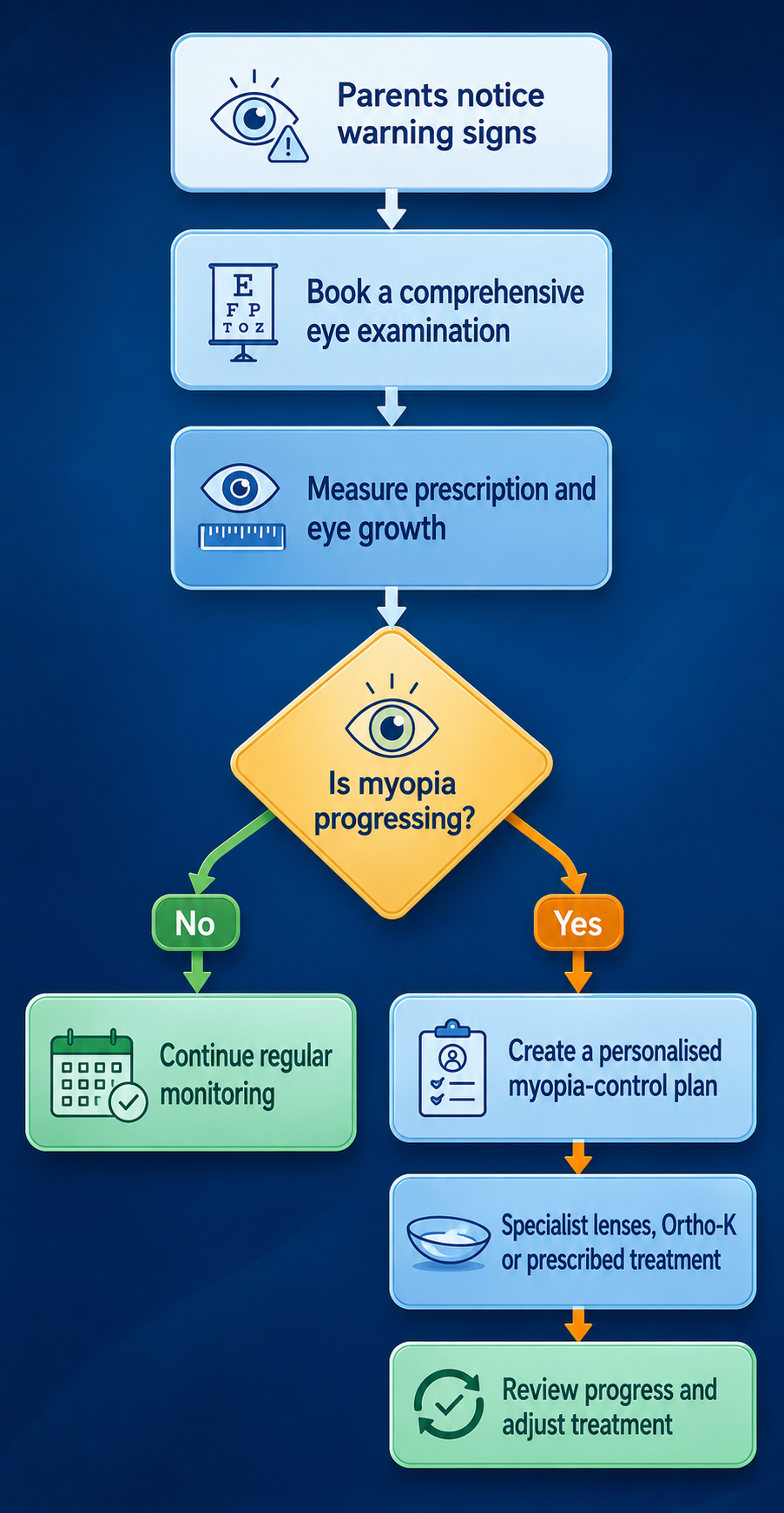
The Childhood Myopia Control Journey
Recognising the signs early allows changes in a child’s vision to be measured, monitored and managed before myopia progresses further.
Notice the Signs
Squinting, sitting near screens or struggling to see the board at school.
Book an Eye Examination
Assess the prescription, eye health and individual risk of progression.
Measure and Monitor
Record prescription changes and measure eye growth where appropriate.
Create a Control Plan
Consider specialist lenses, Ortho-K, prescribed treatment and lifestyle guidance.
Review Progress
Monitor the child regularly and adjust treatment as their eyes grow.
Стратегии профилактики высокой близорукости у детей
Учитывая потенциальные долгосрочные последствия близорукости, проактивные меры по контролю близорукости у детей имеют решающее значение. Несколько стратегий показали свою эффективность в замедлении прогрессирования близорукости и уменьшении ее последствий:
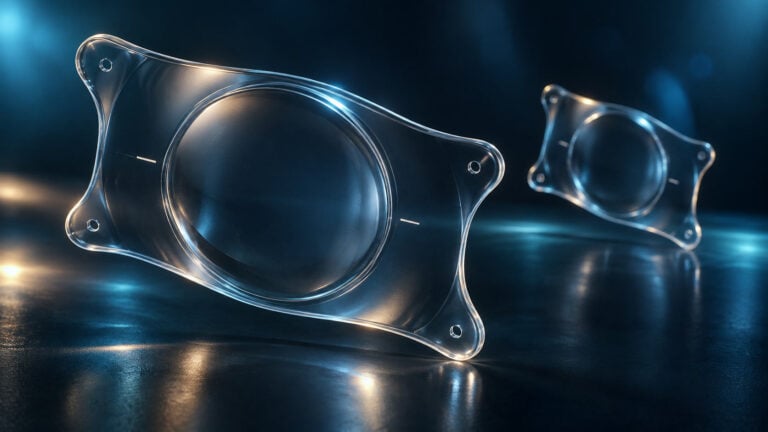
- Ортокератология (Ortho-K): Орто-К подразумевает использование специально разработанных контактных линз, которые изменяют форму роговицы, пока ребенок спит. Утром эти линзы снимаются, обеспечивая четкое зрение в течение всего дня. Орто-К эффективно замедляет прогрессирование близорукости.
- Multifocal Contact Lenses: Multifocal contact lenses, which have different prescriptions for distance and near vision, have demonstrated efficacy in myopia control. These lenses can reduce the rate of myopia progression.
- Атропиновые глазные капли: Глазные капли с низкой дозой атропина используются для замедления прогрессирования близорукости путем расслабления механизма фокусировки глаза. Этот метод лечения наиболее эффективен в сочетании с другими стратегиями.
- Увеличение времени пребывания на свежем воздухе: Поощрение детей проводить больше времени на свежем воздухе, особенно при естественном солнечном свете, может помочь снизить риск развития и прогрессирования близорукости.
- Сокращение работы вблизи: соблюдение правила 20-20-20 (20-секундный перерыв для того, чтобы посмотреть на что-то на расстоянии 20 футов каждые 20 минут) во время работы вблизи может уменьшить напряжение глаз и замедлить прогрессирование близорукости.
- Программы управления близорукостью: Некоторые специалисты предлагают программы лечения близорукости, которые сочетают в себе различные стратегии для комплексного решения проблемы прогрессирования близорукости.
- Регулярные осмотры глаз: Ежегодные осмотры глаз необходимы для контроля прогрессирования близорукости у ребенка и корректировки лечения по мере необходимости.

Вовлечение родителей и образование
Родители играют ключевую роль в борьбе с близорукостью у детей. Вот несколько основных шагов, которые родители могут предпринять для поддержания здоровья глаз своего ребенка:
- Информированность: Будьте информированы о рисках и последствиях близорукости и обсудите их с лечащим врачом вашего ребенка.
- Игры на свежем воздухе: поощряйте ребенка проводить больше времени на улице, заниматься физическими упражнениями и наслаждаться естественным солнечным светом.
- Управление экранным временем: Установите ограничения на время работы с экраном и поощряйте сбалансированное использование цифровых устройств с перерывами на активный отдых.
- Регулярные осмотры глаз: Запланируйте ежегодный осмотр глаз вашего ребенка, даже если у него нет симптомов близорукости.
- Соблюдение правил: Убедитесь, что ваш ребенок следует предписанному плану лечения близорукости, будь то ортокератологические линзы, атропиновые глазные капли или другие методы.
- Окружающая среда: Создайте благоприятную среду для обучения и игр, включая правильное освещение и эргономичные рабочие места.
A Modern Parent’s Weekly Vision Plan
Preventing high myopia in children is not about banning screens or forcing them outdoors. It is about balance. In today’s world of gaming, tablets, streaming and homework, parents need a realistic framework that supports eye development without isolating children from modern life.
Modern Activities That Support Healthy Vision
Children today engage in very different activities compared to previous generations. Instead of simply telling children to “go outside”, parents can guide them toward visually stimulating, distance-focused hobbies that naturally support eye health.
- Skateboarding & Stunt Scootering – Encourages dynamic distance awareness and rapid focus adjustment.
- Paintballing or Laser Tag – Enhances peripheral vision and depth perception.
- Archery – Promotes controlled distance focus and visual discipline.
- Outdoor Team Sports – Football, rugby and hockey require constant distance tracking.
- Cycling or Mountain Biking – Encourages long-distance visual engagement rather than close-up fixation.
Even modern video gaming can be managed more intelligently. Large screens positioned at an appropriate viewing distance are preferable to prolonged use of handheld devices held close to the face.

Daily Vision Balance Guide for Growing Eyes
Healthy eye development in children is not about removing modern life. It is about balance.
In today’s digital world, children need structured outdoor exposure, managed screen habits
and dynamic visual activities to support long-term eye health.
Outdoor Time
Minimum 90–120 minutes per day
Natural daylight plays a powerful role in regulating eye growth.
Outdoor exposure has been shown to reduce the risk of myopia progression.
This does not need to be structured sport; walking the dog, cycling, park time,
skateboarding or simply playing outside all count.
Время экрана
Structured, Not Unlimited
Encourage breaks every 20 minutes using the 20-20-20 rule.
Gaming sessions should be broken into blocks rather than hours
of continuous close focus. Larger screens positioned further away
are preferable to handheld devices held close to the face.
Screen Time Should Be Structured, Not Unlimited
Screens are part of modern childhood, but long periods of uninterrupted close focus may place additional demands on growing eyes. The aim is not to ban technology, but to create healthier viewing habits.
| Screen Activity | Healthier Approach | Why It Helps |
|---|---|---|
| Homework and Reading | Use a well-lit desk and encourage an upright posture with books and screens kept at a comfortable distance. | Good lighting and positioning help reduce visual strain during necessary periods of close work. |
| Gaming | Break gaming sessions into shorter blocks rather than allowing several hours of continuous close focus. | Regular interruptions encourage the eyes to change focus and prevent extended periods of concentrated near work. |
| Phones and Tablets | Avoid holding handheld devices very close to the face. Increase the text size rather than moving the screen nearer. | Increasing the viewing distance reduces the demand placed on the eye’s close-focusing system. |
| Television and Films | When appropriate, choose a larger screen viewed from further away instead of a small handheld device. | Watching from further away involves less sustained close focus than viewing the same content on a nearby phone. |
| Between Activities | Include outdoor play, sport, walking or another activity that encourages children to look across longer distances. | Time outdoors and regular distance viewing provide an important balance to screen use and other close-up activities. |
| Every 20 Minutes | Follow the 20-20-20 rule: every 20 minutes, look at something approximately 20 feet away for at least 20 seconds. | This gives the focusing system a short break and encourages children to look beyond the screen. |
Active Focus Sports
3–5 sessions per week
Sports that require distance tracking and spatial awareness
help stimulate healthy visual development. Consider football, tennis,
cricket, basketball, skateboarding, stunt scootering, athletics or swimming.
Creative Close Work
Balanced With Light
Homework and reading are important, but ensure proper lighting and posture.
Avoid doing close work in dim environments. A well-lit desk and
upright posture can significantly reduce visual strain.
Signs Your Child’s Vision May Be Changing
Early detection is critical. Parents should look for:
- Sitting very close to screens
- Squinting when looking at distant objects
- Complaints of headaches after school
- Declining interest in outdoor sports
- Frequent prescription changes.
Annual eye examinations are essential, even if your child does not complain of blurred vision. Myopia can progress quietly.
The Long-Term Perspective
High myopia is not simply about needing stronger glasses. Severe progression increases the risk of retinal detachment, glaucoma and macular complications later in life. Managing myopia early is an investment in your child’s future eye health.
At EuroEyes, we combine advanced diagnostics with evidence-based myopia control treatments such as orthokeratology, specialised contact lenses and low-dose atropine therapy. Early intervention can dramatically reduce the lifetime risk of complications.
Как исправить близорукость
EuroEyes находится на переднем крае лечения близорукости у детей, используя передовые технологии для решения этой растущей проблемы. EuroEyes предлагает передовые варианты лечения, включая специализированные глазные капли, индивидуальные контактные линзы и инновационную ортокератологию, которая предполагает ношение корректирующих линз на ночь для изменения формы роговицы. Эти подходы не только помогают замедлить прогрессирование близорукости, но и защищают здоровье зрения детей в долгосрочной перспективе, снижая риск будущих осложнений.
The latest technology available at EuroEyes aims to provide tailored treatments for each child, offering a non-invasive, pain-free experience. Early intervention is crucial in managing myopia, and EuroEyes’ pediatric specialists work closely with families to create personalised care plans. This comprehensive approach, combined with state-of-the-art diagnostics and therapies, ensures that children receive the most effective treatment for their vision needs, allowing them to enjoy a better quality of life and healthier vision as they grow.
Профилактика - это главное
Профилактика высокой близорукости у детей очень важна для сохранения их здоровья и снижения риска осложнений со зрением во взрослом возрасте. Хотя близорукость становится все более распространенной, родители и воспитатели могут предпринять активные шаги, чтобы управлять и контролировать ее прогрессирование. Просвещаясь о близорукости, применяя стратегии борьбы с ней и тесно сотрудничая со специалистами по офтальмологии, родители могут обеспечить своим детям наилучшие возможности для четкого зрения и здоровых глаз на всю жизнь. Вместе мы сможем добиться значительных успехов в снижении влияния близорукости на будущие поколения.