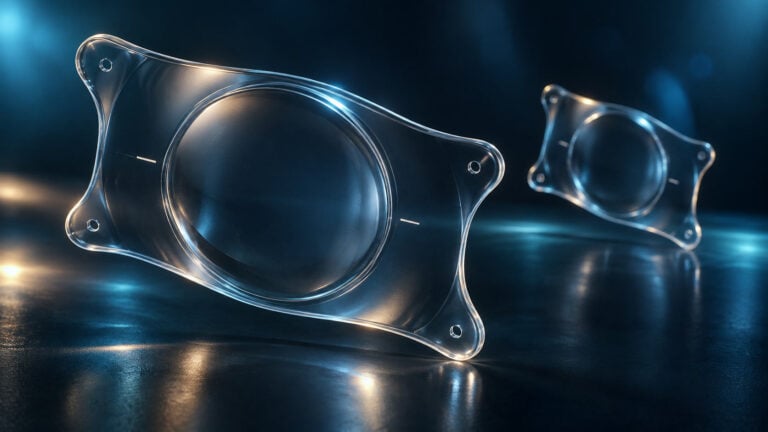
近视,俗称短视,是一种影响全球数百万儿童的视力问题。虽然近视本身比较常见,但高度近视(或严重近视)会导致一系列眼部健康问题,并增加成年后视力受损的风险。好在家长和看护人可以采取一些积极措施来帮助预防儿童高度近视。在本综合指南中,我们将探讨导致近视发展的因素、与高度近视相关的风险,以及减少儿童近视发展的各种策略和干预措施。
了解儿童近视
Myopia, commonly known as short-sightedness, causes distant objects to appear blurred while close-up vision often remains clear. A child may be able to read a book or use a tablet comfortably but struggle to recognise faces across a room or see the board clearly at school. Myopia most commonly develops when the eye grows longer than expected during childhood. This causes light to focus in front of the retina rather than directly upon it. Although changes in the cornea and the eye’s focusing system can also contribute, excessive growth in the length of the eye is the principal structural cause of progressive childhood myopia. Once myopia begins, it can continue to progress throughout childhood and adolescence as the eyes grow. Children who become short-sighted at a younger age have more time for their prescription to increase and may therefore face a greater risk of developing high myopia. Early detection is important because modern myopia-control strategies may help slow this progression and protect the child’s long-term eye health.
Childhood Myopia Is Becoming More Common
Childhood myopia is increasing in the UK and across the world. The rise has been particularly noticeable in urban environments, where children may spend more time studying, using digital devices and concentrating on close-up activities, with fewer opportunities for extended outdoor play. Research from the College of Optometrists indicates that myopia among UK children aged 10 to 16 has more than doubled over the past 50 years. One UK study recorded myopia in 16.4% of children aged 12 to 13, compared with 7.2% among children aged 10 to 16 during the 1960s. The pattern is also visible in London. A 10-year study involving 23,593 children attending specialist eye-care services found that the proportion of prescriptions issued for myopia increased from 24% to 32%. Among children who initially had mild or moderate myopia, 62% experienced further progression.
This matters because myopia is not simply a question of needing stronger glasses. As the eye becomes longer and the prescription increases, the tissues at the back of the eye can become more vulnerable. High myopia is associated with an increased lifetime risk of retinal detachment, myopic macular degeneration, glaucoma and cataracts. Recognising and managing myopia during childhood can therefore help protect vision well into adult life.
导致近视发展的因素
儿童近视的形成和发展有多种因素:
- 遗传:近视通常具有家族遗传性,这表明遗传因素导致一些儿童容易患上近视。
- 环境因素:长时间近距离工作,如阅读、使用电子屏幕和其他近距离活动,会增加患近视的风险
- 缺乏户外活动时间:童年时期户外活动和接触自然光的时间不足与近视发展的可能性较高有关。
- 教育压力:高学业要求和长时间学习会导致近距离工作增加,这可能会导致近视加深。
- 城市化:户外空间有限的城市环境会限制儿童在户外玩耍和接触阳光的机会。
- 缺乏认识:许多家长和孩子可能不知道近视控制措施的重要性。
Consequences of Untreated Myopia In London
儿童近视如果不加以控制,会产生深远的影响:
- 发展迅速:近视在儿童和青少年时期往往会加重,导致度数越来越高。
- 高度近视:严重近视(高度近视)与眼部并发症(包括视网膜脱离、青光眼和白内障)的风险升高有关。
- 降低生活质量:未矫正的近视会妨碍孩子参加体育运动和户外活动,影响他们的整体生活质量。
- 学业影响:如果孩子看不清黑板或课本,近视就会影响他们的学习成绩。
- 经济负担:在人的一生中,治疗高度近视及其并发症的经济成本可能会很高。
Childhood Myopia Is Increasing in London
A 10-year study reviewed 63,854 clinical records from 23,593 children attending specialist eye-care services in London. The findings revealed a clear increase in prescriptions for childhood myopia.
The study examined children attending secondary and tertiary eye-care services in London and should not be interpreted as a population-wide survey of every London child.
View the published research.
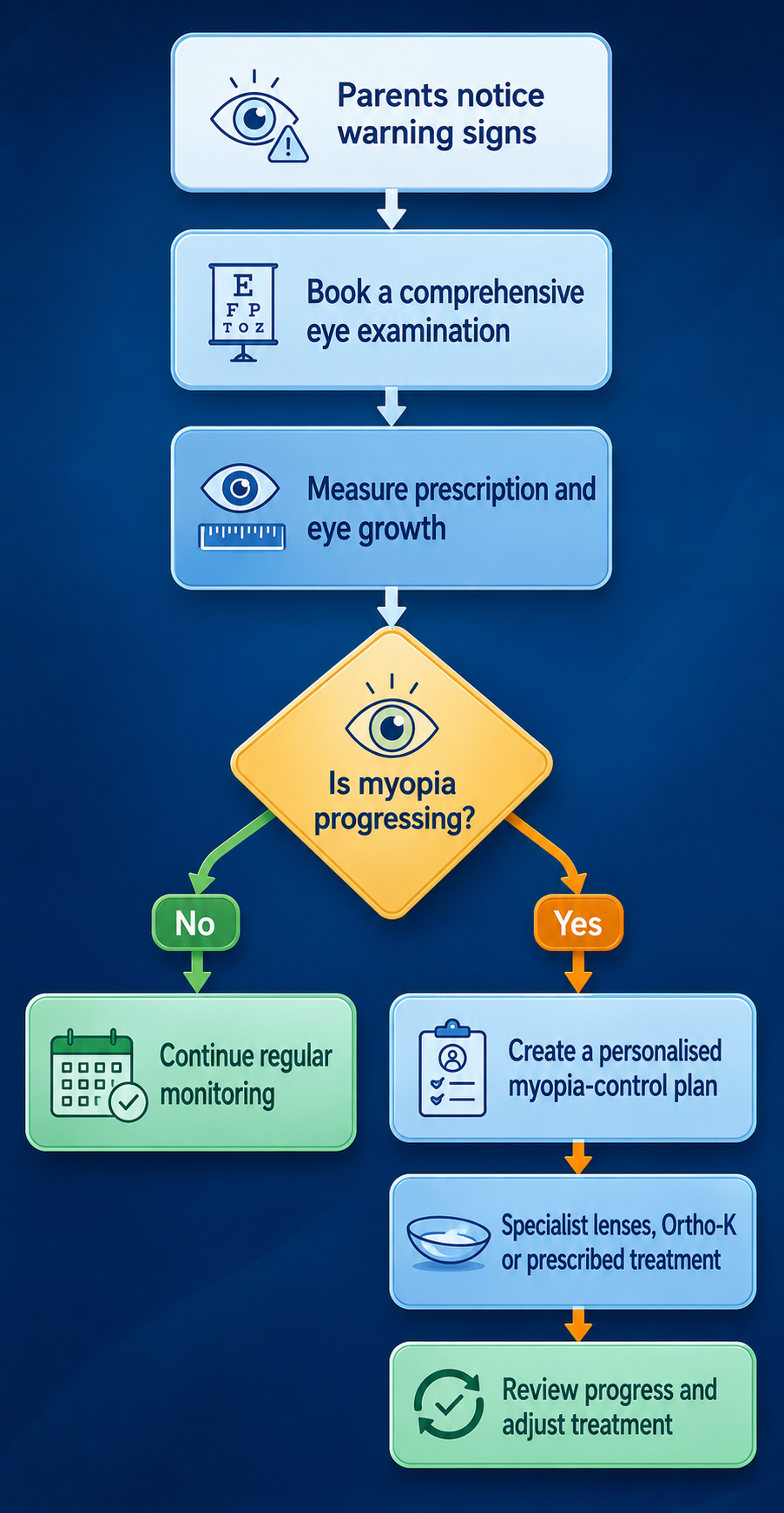
The Childhood Myopia Control Journey
Recognising the signs early allows changes in a child’s vision to be measured, monitored and managed before myopia progresses further.
Notice the Signs
Squinting, sitting near screens or struggling to see the board at school.
Book an Eye Examination
Assess the prescription, eye health and individual risk of progression.
Measure and Monitor
Record prescription changes and measure eye growth where appropriate.
Create a Control Plan
Consider specialist lenses, Ortho-K, prescribed treatment and lifestyle guidance.
Review Progress
Monitor the child regularly and adjust treatment as their eyes grow.
预防儿童高度近视的策略
鉴于近视可能带来的长期后果,采取积极措施控制儿童近视至关重要。在减缓近视发展和减少近视影响方面,有几种策略已初见成效:
- 角膜塑形镜(ok 镜):巩膜矫形术是指在孩子睡觉时使用专门设计的隐形眼镜来重塑角膜。这些镜片在早上取下,可提供一整天的清晰视力。ok 镜能有效减缓近视的发展。
- Multifocal Contact Lenses: Multifocal contact lenses, which have different prescriptions for distance and near vision, have demonstrated efficacy in myopia control. These lenses can reduce the rate of myopia progression.
- 阿托品滴眼液:低剂量阿托品滴眼液可通过放松眼睛的聚焦机制来减缓近视的发展。这种治疗方法与其他方法结合使用效果最佳。
- 增加户外活动时间:鼓励儿童多参加户外活动,尤其是在自然阳光下,有助于降低近视发展和加深的风险。
- 减少近距离工作:在近距离活动中执行 20-20-20 规则(每 20 分钟休息 20 秒钟,看看 20 英尺以外的东西)可以减少眼睛疲劳,减缓近视发展。
- 近视管理计划:一些眼科保健专家提供近视管理计划,将各种策略结合起来,全面解决近视发展问题。
- 定期眼科检查:每年一次的眼科检查对于监测儿童近视的发展和根据需要调整治疗方法至关重要。

家长参与和教育
在控制儿童近视的过程中,家长起着举足轻重的作用。以下是家长可以采取的一些关键步骤,以支持孩子的眼睛健康:
- 提高认识:了解近视的风险和后果,并与孩子的眼科医生讨论这些问题。
- 户外游戏:鼓励孩子多花时间在户外,参加体育活动,享受自然阳光。
- 屏幕时间管理:设定屏幕时间限制,鼓励均衡使用数码设备,并安排户外活动时间。
- 定期检查眼睛:为孩子安排年度眼科检查,即使他们没有近视症状。
- 依从性:确保孩子遵照处方中的近视控制治疗计划,无论该计划包括矫正 K 镜、阿托品眼药水还是其他方法。
- 环境:创造有利于学习和游戏的环境,包括适当的照明和符合人体工程学的工作空间。
A Modern Parent’s Weekly Vision Plan
Preventing high myopia in children is not about banning screens or forcing them outdoors. It is about balance. In today’s world of gaming, tablets, streaming and homework, parents need a realistic framework that supports eye development without isolating children from modern life.
Modern Activities That Support Healthy Vision
Children today engage in very different activities compared to previous generations. Instead of simply telling children to “go outside”, parents can guide them toward visually stimulating, distance-focused hobbies that naturally support eye health.
- Skateboarding & Stunt Scootering – Encourages dynamic distance awareness and rapid focus adjustment.
- Paintballing or Laser Tag – Enhances peripheral vision and depth perception.
- Archery – Promotes controlled distance focus and visual discipline.
- Outdoor Team Sports – Football, rugby and hockey require constant distance tracking.
- Cycling or Mountain Biking – Encourages long-distance visual engagement rather than close-up fixation.
Even modern video gaming can be managed more intelligently. Large screens positioned at an appropriate viewing distance are preferable to prolonged use of handheld devices held close to the face.

Daily Vision Balance Guide for Growing Eyes
Healthy eye development in children is not about removing modern life. It is about balance.
In today’s digital world, children need structured outdoor exposure, managed screen habits
and dynamic visual activities to support long-term eye health.
Outdoor Time
Minimum 90–120 minutes per day
Natural daylight plays a powerful role in regulating eye growth.
Outdoor exposure has been shown to reduce the risk of myopia progression.
This does not need to be structured sport; walking the dog, cycling, park time,
skateboarding or simply playing outside all count.
屏幕时间
Structured, Not Unlimited
Encourage breaks every 20 minutes using the 20-20-20 rule.
Gaming sessions should be broken into blocks rather than hours
of continuous close focus. Larger screens positioned further away
are preferable to handheld devices held close to the face.
Screen Time Should Be Structured, Not Unlimited
Screens are part of modern childhood, but long periods of uninterrupted close focus may place additional demands on growing eyes. The aim is not to ban technology, but to create healthier viewing habits.
| Screen Activity | Healthier Approach | Why It Helps |
|---|---|---|
| Homework and Reading | Use a well-lit desk and encourage an upright posture with books and screens kept at a comfortable distance. | Good lighting and positioning help reduce visual strain during necessary periods of close work. |
| Gaming | Break gaming sessions into shorter blocks rather than allowing several hours of continuous close focus. | Regular interruptions encourage the eyes to change focus and prevent extended periods of concentrated near work. |
| Phones and Tablets | Avoid holding handheld devices very close to the face. Increase the text size rather than moving the screen nearer. | Increasing the viewing distance reduces the demand placed on the eye’s close-focusing system. |
| Television and Films | When appropriate, choose a larger screen viewed from further away instead of a small handheld device. | Watching from further away involves less sustained close focus than viewing the same content on a nearby phone. |
| Between Activities | Include outdoor play, sport, walking or another activity that encourages children to look across longer distances. | Time outdoors and regular distance viewing provide an important balance to screen use and other close-up activities. |
| Every 20 Minutes | Follow the 20-20-20 rule: every 20 minutes, look at something approximately 20 feet away for at least 20 seconds. | This gives the focusing system a short break and encourages children to look beyond the screen. |
Active Focus Sports
3–5 sessions per week
Sports that require distance tracking and spatial awareness
help stimulate healthy visual development. Consider football, tennis,
cricket, basketball, skateboarding, stunt scootering, athletics or swimming.
Creative Close Work
Balanced With Light
Homework and reading are important, but ensure proper lighting and posture.
Avoid doing close work in dim environments. A well-lit desk and
upright posture can significantly reduce visual strain.
Signs Your Child’s Vision May Be Changing
Early detection is critical. Parents should look for:
- Sitting very close to screens
- Squinting when looking at distant objects
- Complaints of headaches after school
- Declining interest in outdoor sports
- Frequent prescription changes.
Annual eye examinations are essential, even if your child does not complain of blurred vision. Myopia can progress quietly.
The Long-Term Perspective
High myopia is not simply about needing stronger glasses. Severe progression increases the risk of retinal detachment, glaucoma and macular complications later in life. Managing myopia early is an investment in your child’s future eye health.
At EuroEyes, we combine advanced diagnostics with evidence-based myopia control treatments such as orthokeratology, specialised contact lenses and low-dose atropine therapy. Early intervention can dramatically reduce the lifetime risk of complications.
如何矫正近视
欧陆眼科站在儿童近视治疗的最前沿,利用尖端技术解决这一日益严重的问题。欧陆眼科提供先进的治疗方案,包括专用眼药水、定制隐形眼镜和创新的矫形 K 疗法,其中矫形 K 疗法包括在夜间佩戴矫正镜片以重塑角膜。这些方法不仅有助于减缓近视的发展,还能通过降低未来并发症的风险来保护儿童的长期视力健康。
The latest technology available at EuroEyes aims to provide tailored treatments for each child, offering a non-invasive, pain-free experience. Early intervention is crucial in managing myopia, and EuroEyes’ pediatric specialists work closely with families to create personalised care plans. This comprehensive approach, combined with state-of-the-art diagnostics and therapies, ensures that children receive the most effective treatment for their vision needs, allowing them to enjoy a better quality of life and healthier vision as they grow.
预防是关键
预防儿童高度近视对保护他们的眼睛健康和降低成年后视力并发症的风险至关重要。虽然近视的发病率越来越高,但家长和看护人员可以采取积极的措施来控制近视的发展。通过了解近视知识、采取近视控制策略以及与眼科专业人士密切合作,家长可以为孩子提供最佳机会,让他们拥有清晰的视力和终生健康的眼睛。通过共同努力,我们可以在减少近视对后代的影响方面取得重大进展。