Can Eye Exercises Really Help Presbyopia? The Truth About Ageing Eyes
Many people begin to notice changes in their near vision from around the age of 40. Small text becomes harder to read, phone screens feel less sharp, and books or menus often need to be held further away. This natural change is called presbyopia, or age-related long-sightedness.
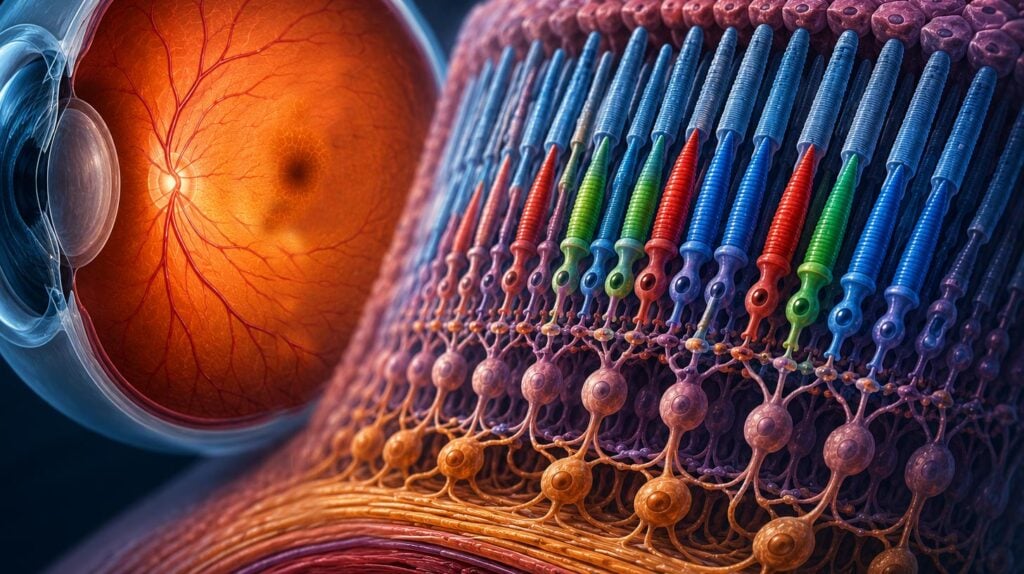
The Retina of the Eye and Why It Is So Important for Vision
Most people never think about their retina until something goes wrong. Vision simply feels automatic. You wake up, open your eyes, recognise faces, read messages, drive through London traffic, notice colours, movement, depth, and light, all without consciously thinking about the complex biological system making it possible.
The LASIK Flap Explained and Why It Matters During Laser Eye Surgery
For many patients, the word LASIK sounds reassuringly familiar. They know it is one of the world’s most established forms of laser eye surgery. They know friends who have had it. They may even know someone who walked out seeing clearly the very next day.
Reading Glasses or Varifocals: Which Is Best for Everyday Life?
Most people begin to notice the early signs of presbyopia somewhere in their 40s. Restaurant menus become harder to read, text messages appear slightly blurred, and the phone gradually gets held further away to bring words back into focus. At that point, many people begin asking the same question: should you choose reading glasses or varifocals?
Reading Glasses Alternatives for Long Term Freedom From Glasses
Most people first notice presbyopia gradually. Menus become harder to read in dim restaurants, messages on your phone look softer than they used to, and your arms somehow never feel quite long enough anymore. For many, the immediate answer is simple: buy a pair of reading glasses.
For most people, the decision does not begin with surgery. It begins with frustration. A blurry train timetable at Liverpool Street. Squinting at restaurant menus in low light. Glasses steaming up during the winter commute across London. Contact lenses drying out halfway through the day. Then comes the moment many patients quietly reach on their own: maybe I should finally do something about this.
全球屈光手术领域的领导者EuroEyes自豪地宣布,它已成为肯辛顿、切尔西和威斯敏斯特商会(Kensington, Chelsea, and Westminster Chamber of Commerce)的成员。这一战略联盟彰显了EuroEyes将先进的眼科护理解决方案融入伦敦充满活力的社区中心的承诺。
Hamburg, Germany, EuroEyes Clinic Group is proud to announce that its founder and medical director, Dr. Jørn Slot Jørgensen, has been honored in the prestigious Stern magazine’s list of top doctors for 2025 in the field of refractive surgery. This recognition underscores Dr. Jørgensen’s exceptional expertise and unwavering commitment to advancing ophthalmology.