It’s a common question, and an understandable one. Many people would prefer to improve their vision naturally rather than rely on glasses, contact lenses, or surgery. Eye exercises are often discussed online as a way to sharpen vision, reduce eye strain, or even reverse refractive errors.
The reality sits somewhere between myth and measurable benefit. Eye exercises cannot change the physical shape of the eye or correct structural conditions such as myopia, astigmatism, or presbyopia. However, they can help improve visual comfort, focusing flexibility, and fatigue related to modern screen-heavy lifestyles.
Understanding what eye exercises can and cannot do is the key to using them sensibly.
What Eye Exercises Can Help With
Most eye exercises work on visual function, not eye structure. That distinction matters.
They can be helpful for people who experience:
- Eye strain after long screen use
- Difficulty shifting focus between near and far objects
- Tired or dry-feeling eyes at the end of the day
- Headaches linked to prolonged visual effort.
In these cases, exercises support how the eyes work together and how the brain processes visual input, rather than altering eyesight itself.
Simple Eye Exercises Worth Trying
Focus Shifting (Near to Far)
This exercise helps improve focusing flexibility, particularly useful for people who spend long hours reading or working on screens.
Hold your thumb about 20-30 cm in front of your face and focus on it for a few seconds. Then shift your focus to an object across the room or outside a window. Alternate slowly between near and far focus for one to two minutes.
Many people notice reduced eye fatigue rather than sharper vision, which is the realistic goal.
The 20-20-20 Reset
This is one of the most practical habits for modern life rather than a traditional “exercise”.
Every 20 minutes, look at something at least 20 feet away for 20 seconds. This allows the focusing muscles to relax and helps reduce strain caused by prolonged near work. While simple, this technique is supported by clinical understanding of accommodative fatigue and is widely recommended by eye specialists.
Eye Movement Patterns
Moving the eyes deliberately can help relieve stiffness and tension, especially after long periods of fixed gaze. Slowly move your eyes left to right, then up and down, without moving your head. Follow this with gentle circular movements. The goal is comfort and mobility, not speed.
This can be useful for people who feel their eyes “lock” into screen focus.

Palming for Visual Relaxation
Palming is a relaxation technique rather than a corrective one. Rub your hands together to create warmth, then gently cup them over closed eyes without applying pressure. Sit quietly for one to two minutes and allow the visual system to rest. This does not improve eyesight, but many people find it calming and helpful for eye comfort.
What Eye Exercises Cannot Do
It’s important to be clear and honest.
Eye exercises cannot:
- Reduce Myopia or Astigmatism
- Replace glasses or contact lenses
- Reverse age-related lens changes
- Eliminate the need for surgery where structural correction is required
Claims suggesting otherwise are not supported by medical evidence. That said, reducing strain and improving visual efficiency can make everyday vision feel better, which is why people often report subjective improvement.
Where Eye Exercises Fit in Modern Eye Care
Eye exercises should be seen as supportive, not corrective. They are most effective when combined with:
- Proper lighting and screen positioning
- Regular breaks during near work
- Dry eye management where needed
- Accurate eye examinations
For people with significant refractive errors or age-related changes, exercises may improve comfort but will not address the underlying cause of blurred vision.
One-line myth vs reality
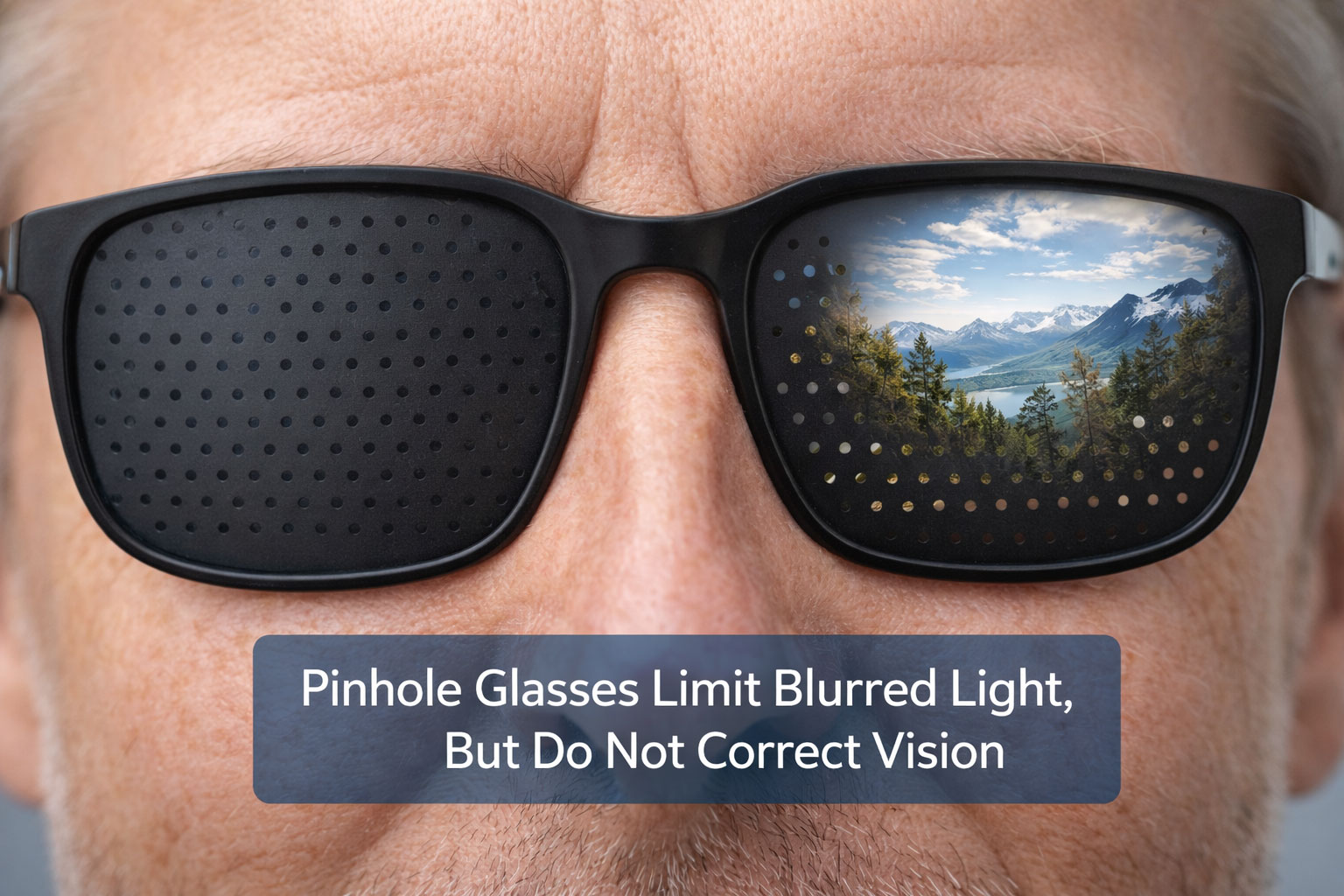
Pinhole Glasses
You may also come across so-called “pinhole glasses”, glasses with multiple tiny holes instead of lenses. These can appear to improve vision immediately when worn, and many people are surprised by how much clearer things look. The effect works because the small holes limit scattered light entering the eye, reducing blur and increasing depth of focus, much like squinting. However, this improvement is optical rather than corrective. Pinhole glasses do not change the shape of the eye, strengthen eye muscles, or lead to lasting vision improvement once they are removed. While they can be useful for demonstrating how clearer focus is possible, or for short periods of visual relief, there is no strong clinical evidence that they fix eyesight or produce long-term improvement without being worn.
Distance Looking
One popular idea is that looking into the distance can reverse short-sightedness. Spending time outdoors and reducing constant near focus is genuinely beneficial, especially for children and young adults, and there is good evidence that outdoor light exposure can slow the progression of myopia. However, once the eye has already elongated, distance viewing alone does not reverse that structural change. It supports eye health and visual comfort, but it is not a cure.
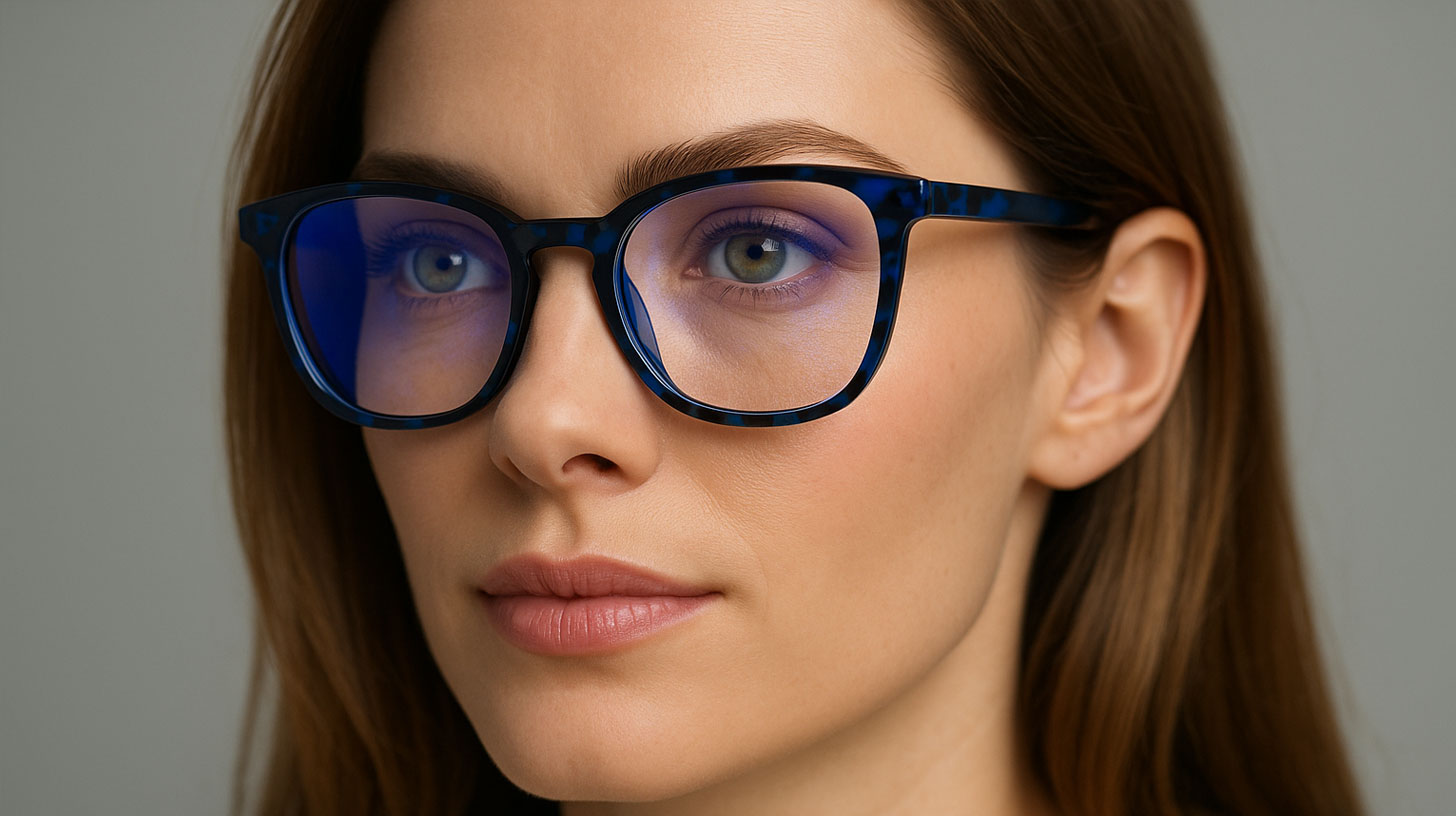
Blue Light Glasses
Another common belief is that blue light glasses improve eyesight. These lenses can reduce screen glare and improve comfort for some people, particularly those with dry eyes or screen fatigue. What they do not do is correct refractive error or prevent long-term vision decline. The benefit is largely about comfort and sleep regulation rather than eyesight improvement itself.
Eye Yoga
There is also a growing trend around “eye yoga” routines, often promoted on social media. While slow eye movements and relaxation techniques can ease tension and reduce fatigue, there is no evidence that eye yoga can reshape the eye or eliminate the need for glasses. The positive effects people report are usually linked to reduced strain and increased awareness of blinking and posture, rather than changes in vision.
Wearing Prescribed Glasses Less
Some people believe that going without glasses will strengthen the eyes. In reality, under-correcting vision can increase eye strain, headaches, and fatigue, particularly for driving, screens, or reading. Glasses do not weaken the eyes. They simply allow the visual system to function without unnecessary effort.
Finally, there is a persistent myth that “natural methods work if you’re consistent enough.” Consistency can absolutely improve habits, comfort, and visual efficiency, but it cannot override anatomy. The eye is not a muscle that can be trained into a different shape. When vision improves noticeably, it is usually because strain has been reduced, not because the underlying prescription has changed.
When to Seek Professional Advice
If vision is changing, worsening, or affecting daily life, an eye examination is essential. Blurred vision, headaches, night glare, or difficulty focusing may indicate refractive change, dry eye disease, or lens ageing rather than simple visual fatigue. Understanding the difference allows you to choose the right solution, whether that’s lifestyle adjustment, optical correction, or advanced vision treatment.
Supporting Visual Comfort
Eye exercises can play a useful role in supporting visual comfort in a screen-dominated world. They are not a cure for poor eyesight, but they can help the eyes work more efficiently and feel less strained. Used sensibly, they are part of looking after your vision, not a replacement for professional care.